The Mason’s Materials: The Most Common Ones and Their Functions


The Mason’s Materials: The Most Common Ones and Their Functions
Masonry is one of the oldest and most enduring crafts in construction. From brick homes in the suburbs to stone facades on historic buildings, the mason’s materials must be strong, durable, and visually appealing. Each component—brick, mortar, tile, or insulation—plays a specific role in ensuring that a structure stands the test of time. In this article, we’ll take a closer look at the most common materials used by masons in the United States and how they function in modern construction.
Brick – The Classic Building Block
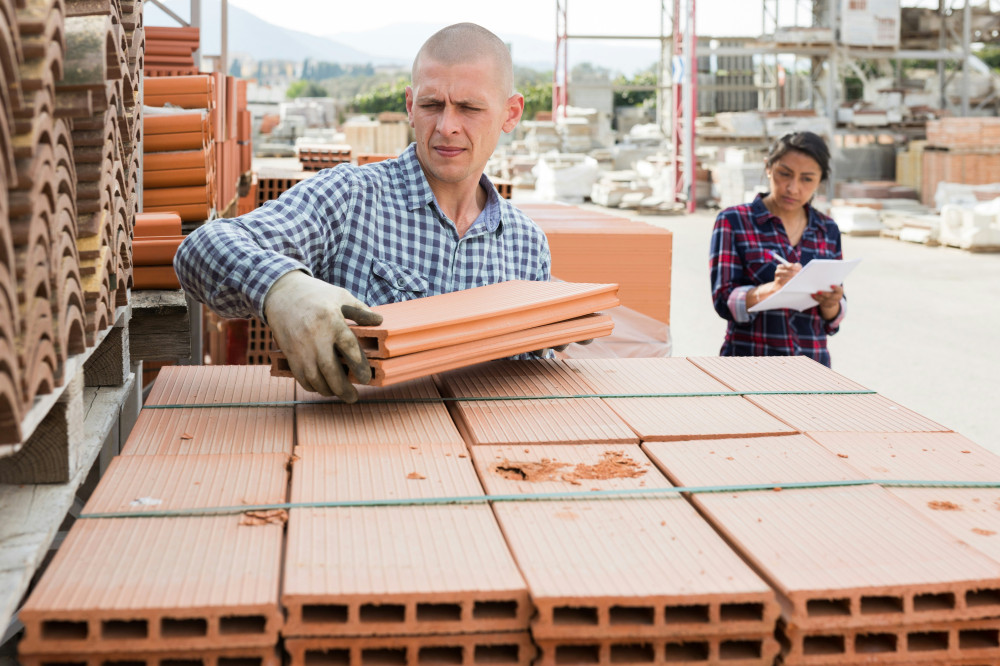
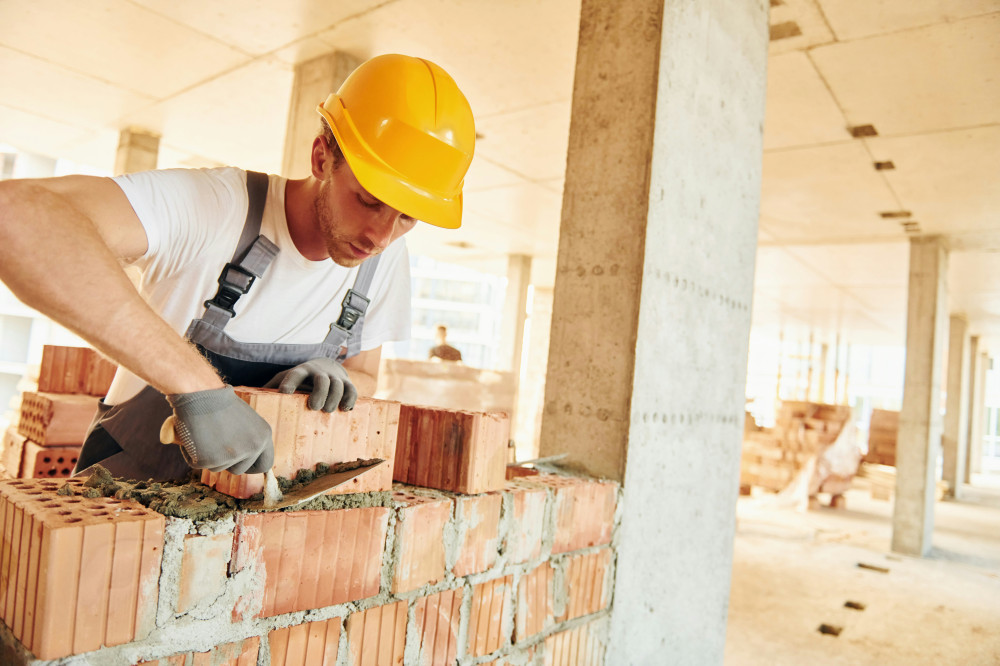
Brick is perhaps the most recognizable material in American masonry. It has been used for centuries and remains a favorite for its strength, fire resistance, and timeless appearance. The most common types include:
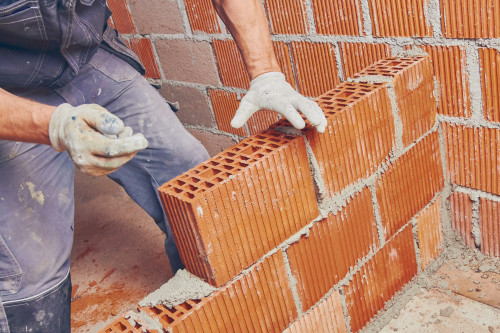
- Clay brick – made from natural clay and fired in a kiln, offering a warm, traditional look. It’s durable, low-maintenance, and ideal for exterior walls.
- Concrete brick – made from cement and aggregates, often used for structural or decorative purposes. It can be produced in a variety of colors and textures.
- Thin brick veneer – a lightweight option used to give the appearance of solid brick without the added weight, perfect for remodeling or interior design.
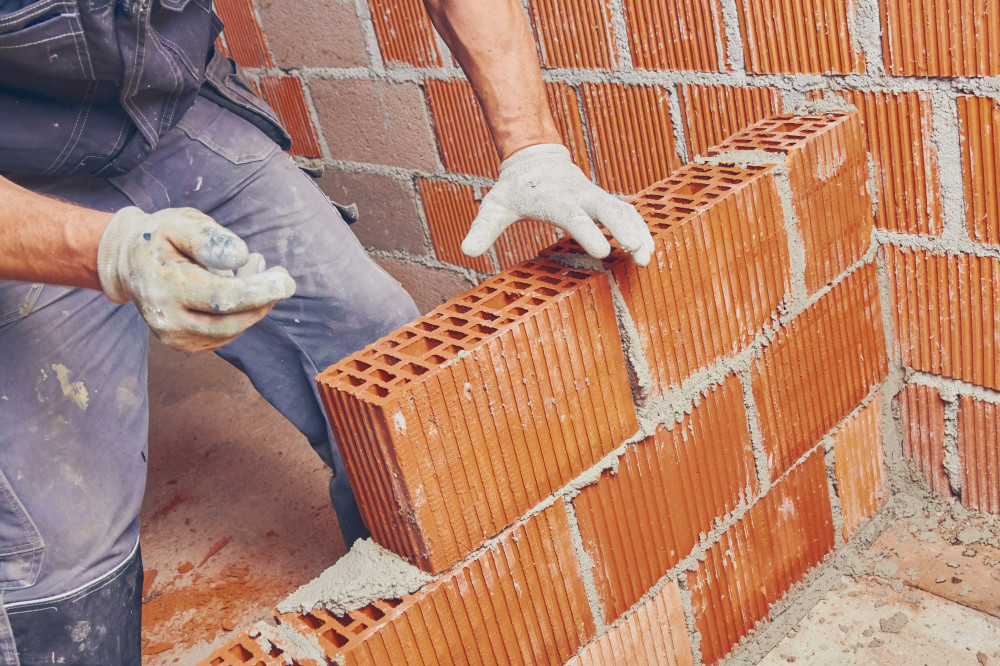
Brick’s main function is to provide a solid, weather-resistant shell, but it also defines the character of a building. The pattern in which bricks are laid—called the bond—can range from simple running bonds to more decorative designs.
Mortar – The Bond That Holds It All Together
Mortar is the mason’s glue. It binds bricks, blocks, or stones together and distributes loads evenly across the structure. Common types of mortar include:
- Type N mortar – a general-purpose mix suitable for above-grade walls exposed to weather.
- Type S mortar – stronger and more flexible, often used for foundations, retaining walls, and other load-bearing applications.
- Type O mortar – a softer mix used for interior or historic restoration work where breathability is important.
Choosing the right mortar is essential. The wrong mix can lead to cracking or moisture problems, so understanding the relationship between the brick and the mortar is key to a long-lasting wall.
Læs også:

Stone and Tile – Strength and Style Combined
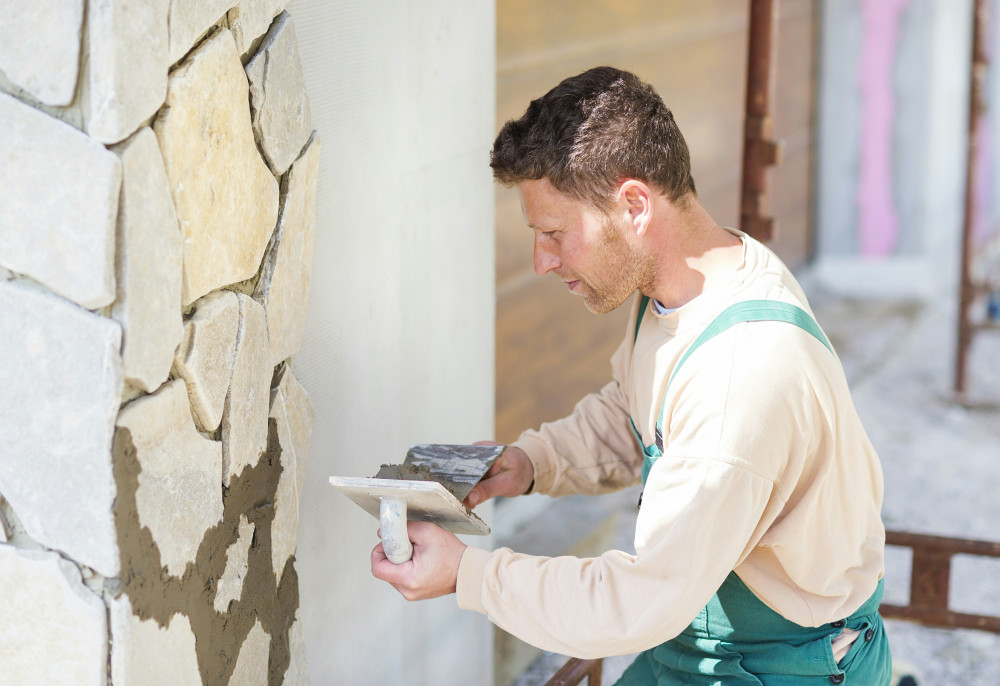
Masons also work with natural and manufactured stone, as well as ceramic and porcelain tiles. These materials combine durability with aesthetic appeal and are used both indoors and outdoors.
- Natural stone – such as granite, limestone, or sandstone, offers a unique, high-end look and exceptional longevity.
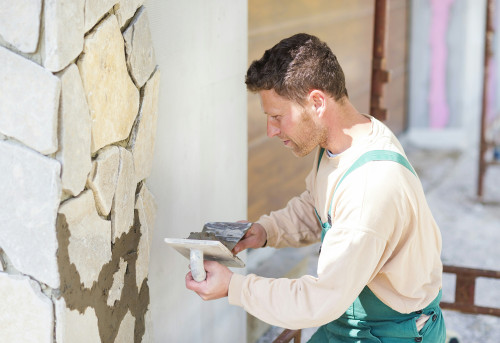
- Manufactured stone veneer – lighter and easier to install, it mimics the appearance of natural stone at a lower cost.
- Ceramic and porcelain tile – common in kitchens, bathrooms, and patios, they protect surfaces from moisture while adding decorative value.
Proper installation and grouting are crucial for durability, especially in areas exposed to water or temperature changes.
Concrete Block – The Backbone of Modern Masonry
Concrete masonry units (CMUs), or cinder blocks, are a staple in American construction. They are strong, affordable, and versatile. They come in various sizes and densities, and can be reinforced with steel and filled with grout for added strength. CMUs are often used for foundations, basements, and commercial buildings, where structural integrity is paramount.
Insulation – The Hidden Layer of Comfort
Energy efficiency is a major concern in U.S. construction, and insulation plays a vital role in masonry work. Common insulation materials include:
- Rigid foam boards (EPS, XPS, or polyiso) – lightweight and highly effective, often used in exterior walls and foundations.
- Mineral wool – made from rock or slag fibers, it provides excellent thermal and sound insulation while being fire-resistant.
- Spray foam – used to seal gaps and prevent air leaks, improving overall energy performance.
Proper installation ensures that walls remain dry and energy-efficient, preventing issues like condensation or mold growth.
Reinforcement and Moisture Barriers – The Invisible Protectors
Behind every sturdy wall are hidden elements that ensure its longevity. Reinforcing steel (rebar) and masonry joint reinforcement help prevent cracking and improve structural stability. Flashing and moisture barriers, typically made from metal or plastic membranes, protect against water infiltration from the foundation or roofline. These unseen components are essential for withstanding the diverse climates found across the United States.
Finishes and Sealants – The Final Touch
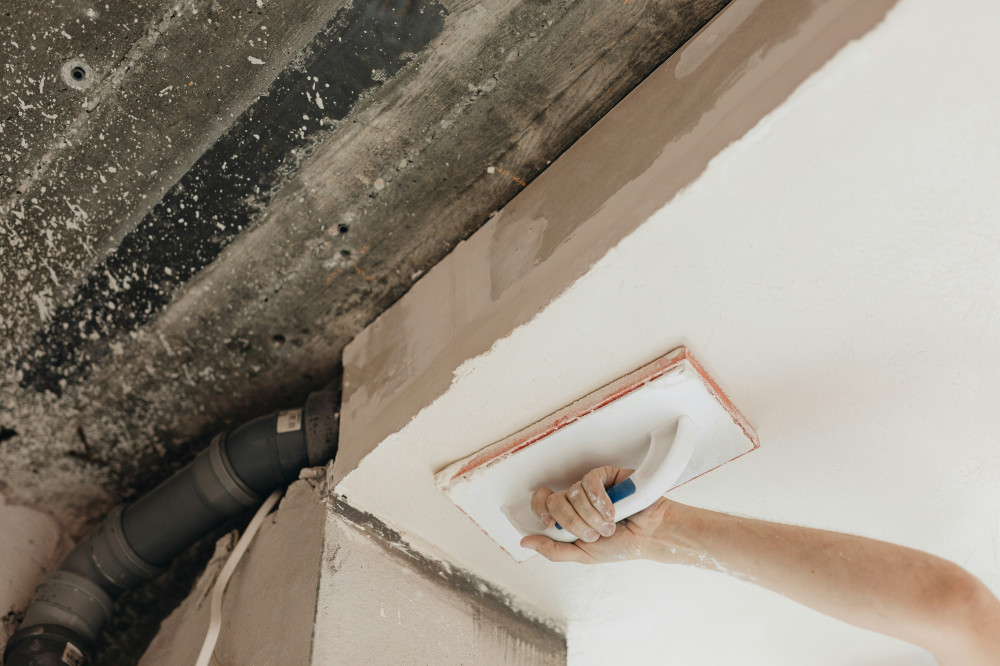
Once the masonry is complete, surface treatments can enhance both appearance and durability. Common finishes include:
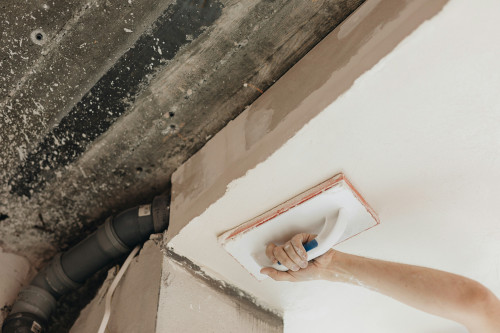
- Stucco – a cement-based coating that provides a smooth or textured surface, popular in the Southwest and coastal regions.
- Paints and sealers – protect against moisture and staining while allowing for color customization.
- Limewash – a traditional, breathable finish that gives a soft, natural look, often used in restoration projects.
These treatments not only improve aesthetics but also serve as an extra layer of protection against weather and wear.
The Harmony of Materials – Craftsmanship That Lasts
Successful masonry depends on more than just quality materials—it’s about how they work together. Bricks, mortar, insulation, and finishes must be compatible in strength, flexibility, and moisture behavior. A skilled mason understands this balance, ensuring that every wall, facade, or floor is both beautiful and built to endure.
When chosen and applied correctly, the mason’s materials can create structures that stand strong for generations—a true testament to craftsmanship and the enduring art of masonry.
Læs også: