Build Garden Walls – Construct and Maintain Them with Care

Build Garden Walls – Construct and Maintain Them with Care
A garden wall can be much more than a simple boundary. It can define spaces, provide shelter, serve as a backdrop for plants, and add character to your outdoor area. But a wall is also a structural element that requires thoughtful planning—both when it’s built and as it’s maintained. Here’s a guide to help you plan, construct, and care for your garden wall so it stands strong and beautiful for years to come.
Planning: Purpose and Placement
Before you start building, think carefully about what you want your wall to do. Is it meant to retain soil, block wind, create privacy, or simply add a decorative touch? The purpose will determine the design, materials, and construction method.
Placement is equally important. In the U.S., local building codes and zoning regulations may dictate how close you can build to property lines or how tall your wall can be. Always check with your city or county building department before starting. Also consider sunlight and wind direction—a wall can create a cozy microclimate, but it can also cast shade that affects nearby plants.
Materials: Balancing Beauty and Durability
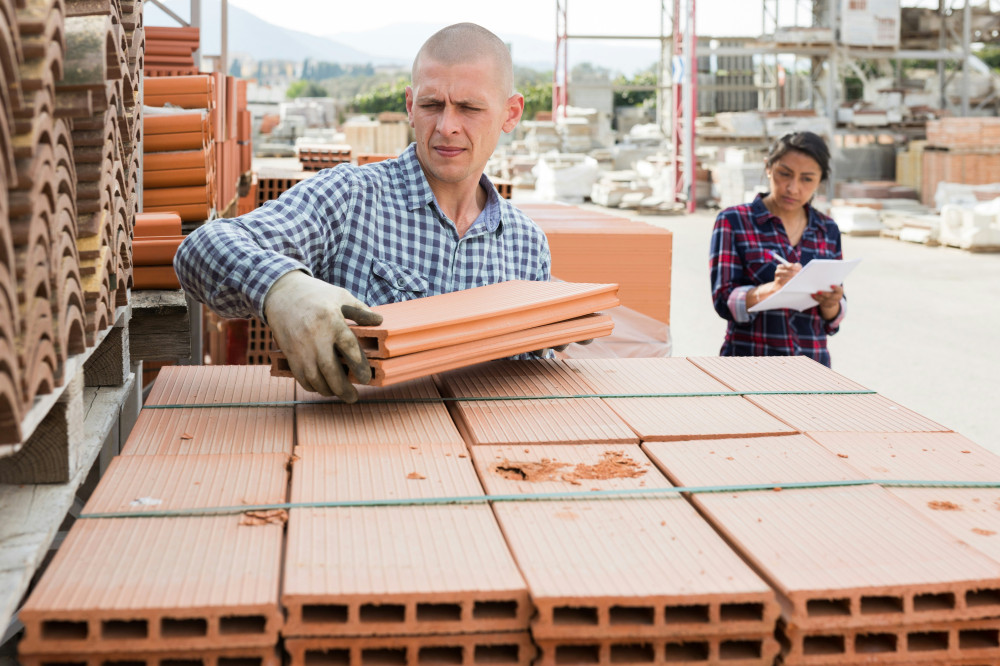
Brick is a timeless choice, but there are many other materials to consider. Each offers a different look and level of maintenance.
- Brick provides a classic, enduring appearance. Choose hard-fired or frost-resistant bricks for exterior use.
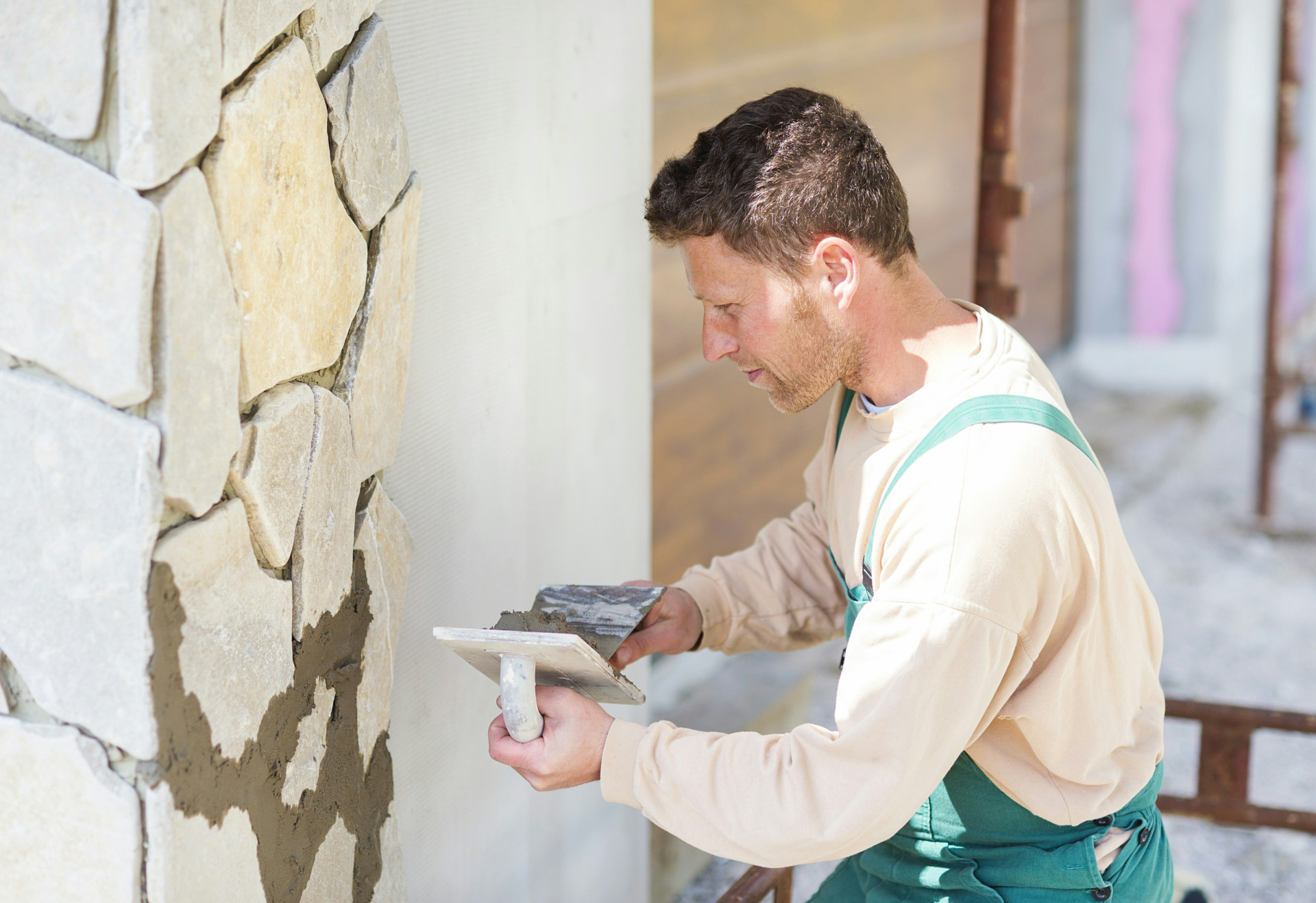
- Natural stone such as granite, limestone, or fieldstone gives a rustic, organic feel but requires careful fitting and a solid base.
- Concrete blocks are affordable, easy to work with, and available in many textures and colors.
- Reclaimed materials—like salvaged brick or stone—add character and sustainability, but make sure they’re suitable for outdoor exposure.
Think about how the wall’s color and texture will complement your home’s architecture and the rest of your landscape. A cohesive design makes your garden more inviting.
The Foundation – The Key to Stability
A strong foundation is essential to prevent settling or cracking. For most walls, dig a trench below the frost line (typically 30–36 inches deep in colder regions) and fill it with compacted gravel and concrete. The foundation should be wider than the wall and perfectly level.
For low decorative walls, a shallower base may suffice, but the ground must still be firm and well-drained. Standing water beneath a wall is one of the most common causes of damage.
Læs også:

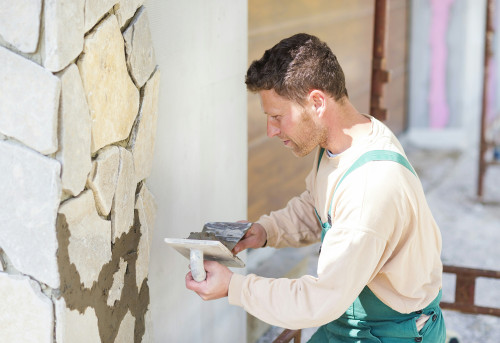
Building the Wall: Take Your Time with the Details
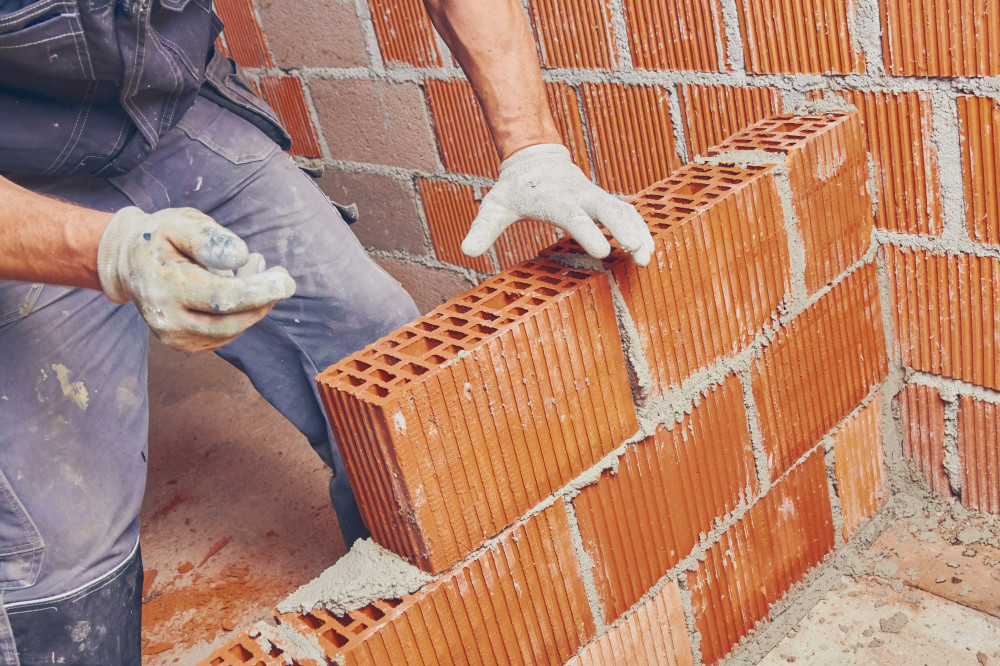
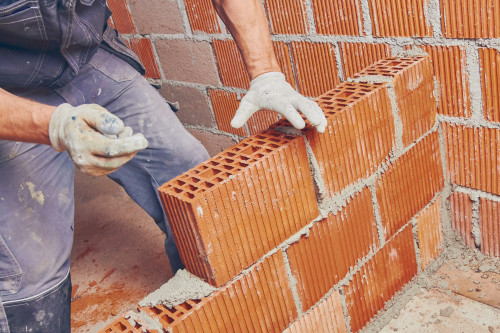
Once the foundation has cured, you can start laying your wall. Use a mason’s line to keep it straight and check frequently with a level. Mortar joints should be even and fully filled—this ensures both strength and a neat appearance.
If your wall will be taller than about four feet, consider adding columns or reinforcement for stability. For retaining walls, install proper drainage behind the wall to relieve pressure from water buildup. A perforated drainpipe and gravel backfill can make a big difference in longevity.
Maintenance: Small Efforts, Big Rewards
Even the best-built wall needs occasional care. Inspect it regularly for cracks, loose mortar, or moss growth. Address small issues early to prevent larger repairs later.
- Cleaning: Remove dirt, algae, and moss with a soft brush and mild detergent. Avoid pressure washers, which can erode mortar joints.
- Repointing: If mortar begins to crumble, rake out the old joints and refill them with fresh mortar. This simple step can extend the wall’s life by decades.
- Drainage: Make sure water flows away from the wall, especially for retaining walls or those near garden beds.
A well-maintained wall can remain sturdy and attractive for generations.
Sustainability and Environmental Considerations
When choosing materials, think about their environmental impact. Locally sourced stone or reclaimed brick reduces transportation emissions and adds authenticity. Lime mortar, rather than cement mortar, allows the wall to “breathe” and makes future repairs easier.
You can also soften the look of a wall by planting climbing vines such as clematis or native honeysuckle. Just be cautious—some aggressive climbers can damage mortar if allowed to root directly into the joints. Use a trellis or wire support to protect the masonry.
A Wall Built with Care
Building a garden wall is a project that blends craftsmanship, design, and function. With careful planning, quality materials, and regular maintenance, you can create a feature that enhances your landscape and stands the test of time. The key is to build with care—for your home, your garden, and the environment.
Læs også: