Play of Colors in Brick: Bring Life and Character to Your Facade

Play of Colors in Brick: Bring Life and Character to Your Facade
For generations, brick has been one of America’s most trusted and beloved building materials—and for good reason. It’s durable, timeless, and gives homes a sense of warmth and permanence. But brick is more than just a practical choice. With the right play of colors and textures, it can transform a plain exterior into a facade full of life, depth, and personality.
Colors That Tell a Story
A brick’s color is shaped by the clay it’s made from and the temperature at which it’s fired. That’s why bricks come in such a wide range of shades—from classic reds and oranges to soft creams, deep browns, and sleek charcoals. Each hue carries its own character: red bricks evoke tradition and warmth, lighter tones feel open and welcoming, while darker bricks lend a modern, sophisticated edge.
By mixing different colors or subtle variations within the same tone, you can create a dynamic surface that changes with the light. Whether you’re restoring a historic home or designing a new build, the interplay of color can highlight architectural details and give your facade a distinctive rhythm.
Texture: More Than Just Color
The beauty of brick isn’t only in its color—it’s also in its texture. Smooth, wire-cut, or hand-molded bricks each reflect light differently, giving your home a unique expression throughout the day. Morning sunlight might bring out golden undertones, while evening shadows reveal cooler, more subdued hues.
Choosing bricks with varied textures can make your facade feel alive, shifting subtly with the weather and seasons. It’s a natural, organic quality that few modern materials can replicate.
Combinations That Work
When planning your exterior, think about how colors and textures interact. Here are a few combinations that work beautifully in American architecture:
- Classic red and deep brown – a warm, traditional pairing that adds depth and richness.
- Cream and gray – a light, contemporary look that feels fresh and coastal.
- Charcoal and terra cotta – a bold contrast that suits modern or industrial designs.
- Multiple shades of one color – a subtle, harmonious blend that feels natural and timeless.
The key is to choose colors that complement your home’s style and surroundings. A Craftsman bungalow might call for earthy, muted tones, while a modern farmhouse could benefit from lighter, sun-washed shades. Urban homes can experiment with darker, more dramatic palettes that stand out against cityscapes.
The Power of Mortar
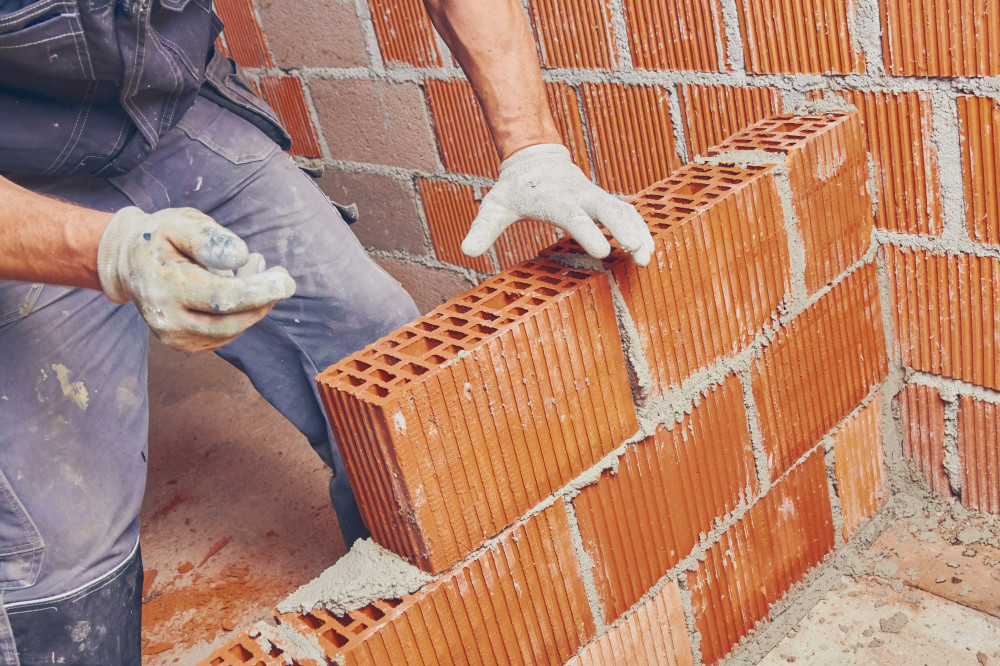
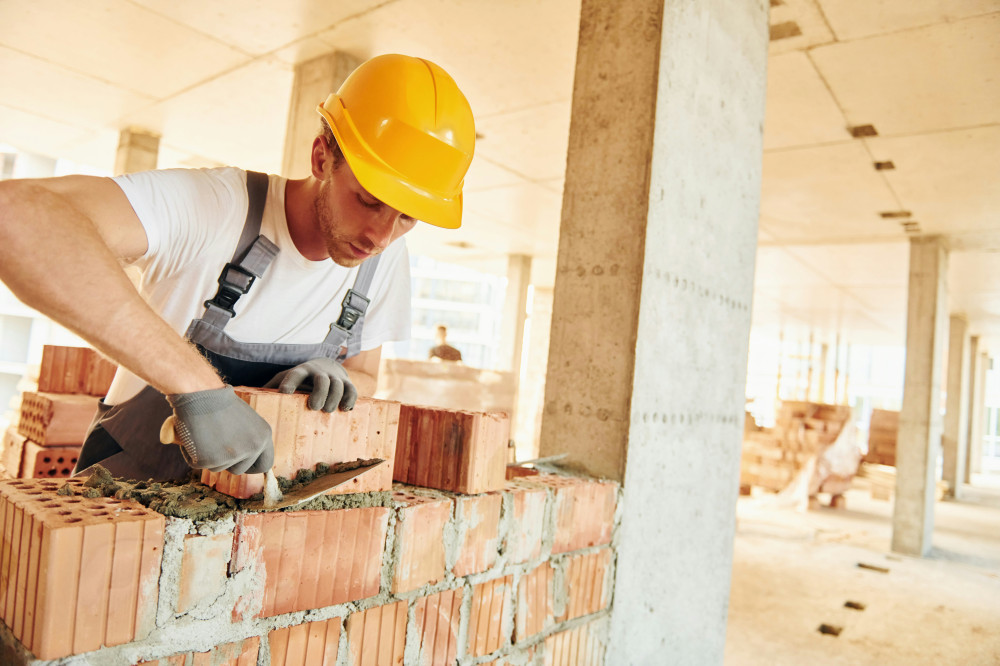
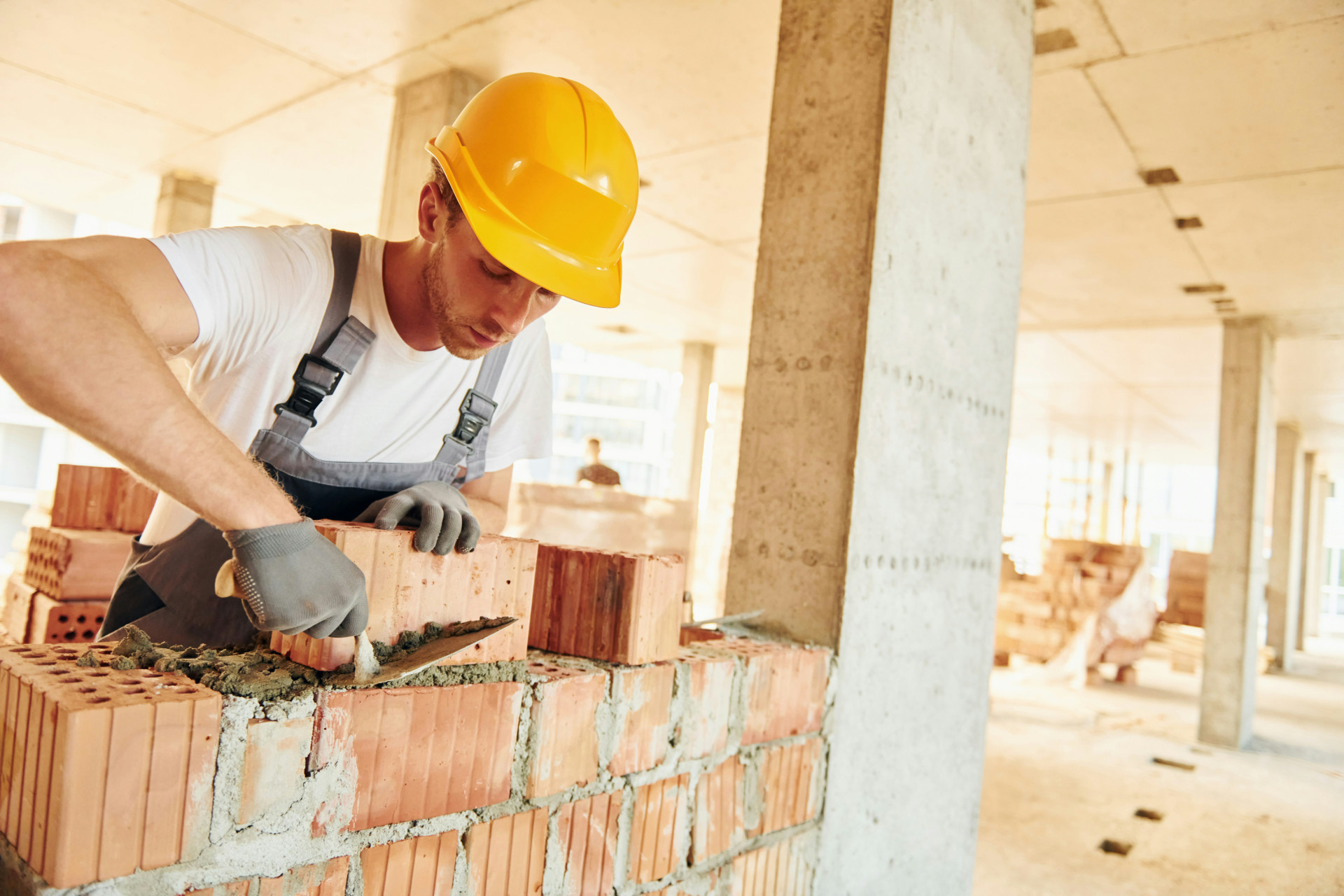
Mortar color and joint style are often overlooked, but they have a huge impact on how brickwork is perceived. A light mortar highlights each individual brick, creating a crisp, patterned look. A darker mortar, on the other hand, blends the bricks together for a more uniform, understated appearance.
Even small changes in mortar tone can shift the entire mood of a facade, so it’s worth viewing samples in natural daylight before making a final decision.
Inspiration from Nature and History
Some of the most beautiful brickwork draws inspiration from the natural world—earth, clay, sand, and stone. These organic tones feel grounded and timeless. You can also look to America’s architectural heritage for ideas: from the warm reds of colonial homes in the Northeast to the sunbaked hues of Southwestern adobe-inspired designs, brick has always reflected its environment.
Working with color variation in brick is not just about aesthetics—it’s about continuing a craft tradition that connects modern design with the enduring beauty of the past.
How to Choose the Right Color Play
When selecting bricks for your project, keep these tips in mind:
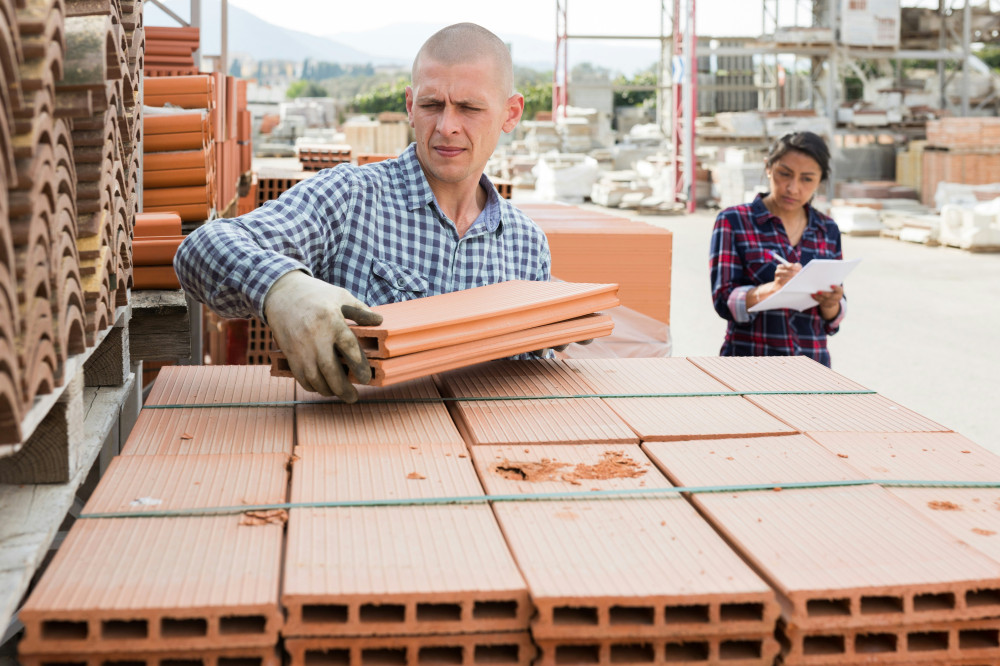
- See the bricks in person – colors can look very different in photos than in natural light.
- Build a sample panel – test how bricks, mortar, and light interact on a small scale.
- Consider the surroundings – coordinate with your roof, windows, and landscape.
- Think about maintenance – darker bricks hide dirt better, while lighter ones may need more cleaning.
Consulting with an architect or mason can help you find the perfect balance between tradition, context, and personal style.
Læs også:

A Living Expression That Lasts for Generations
A brick facade with a thoughtful play of colors is more than just beautiful—it’s enduring. Brick ages gracefully, its tones deepening and softening over time, adding even more character as the years pass. It’s an investment in both quality and expression, ensuring that your home remains vibrant, distinctive, and full of life for generations to come.
Læs også: