Light and Art in Balance – Plan Lighting for Every Hour of the Day

Light and Art in Balance – Plan Lighting for Every Hour of the Day
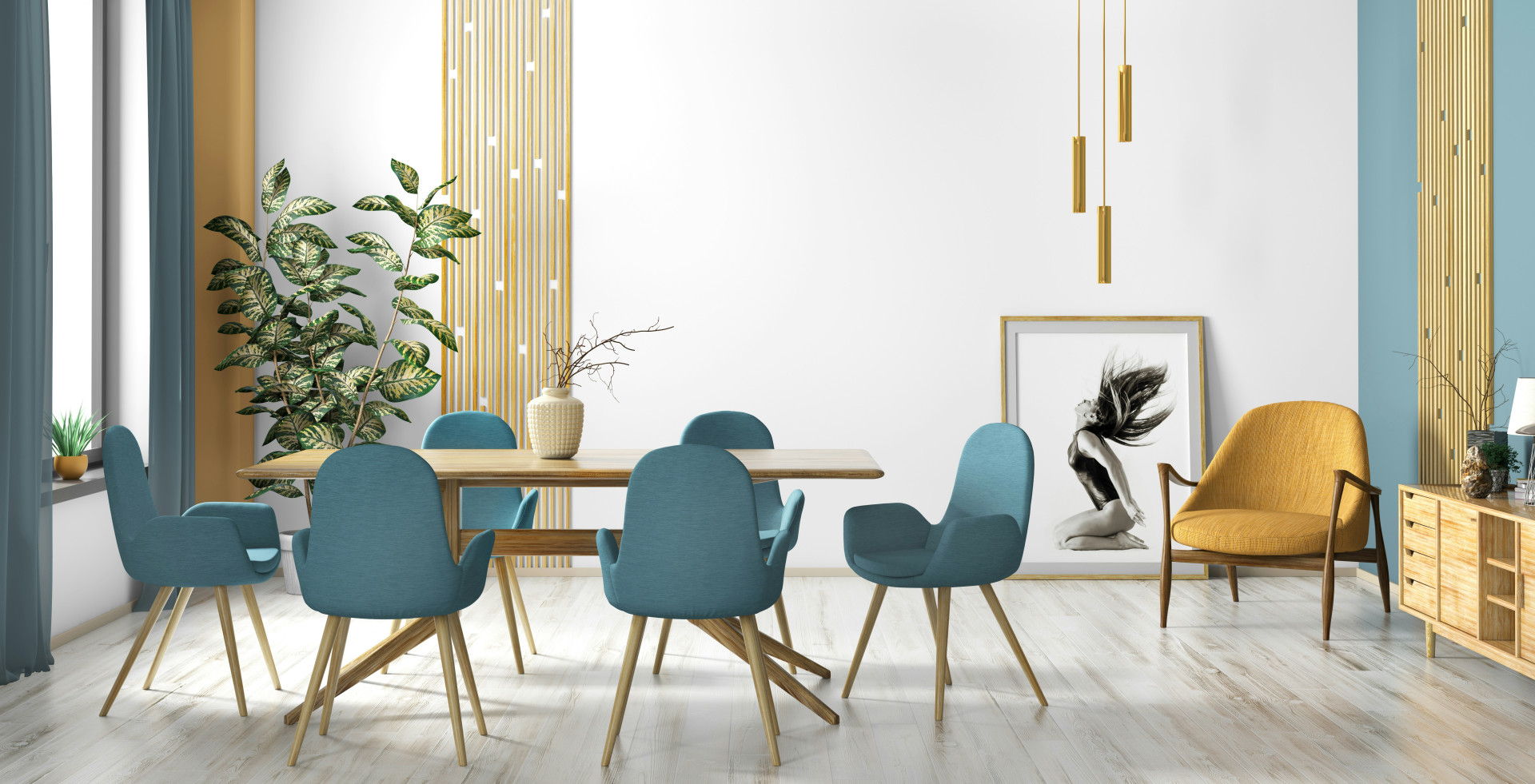
Light is more than a practical necessity—it’s a mood-setter, an energy source, and a way to highlight the beauty of your home. When lighting is planned thoughtfully, it can support your daily rhythm, create calm, and bring new life to the art on your walls. Here’s how to create balance between function, atmosphere, and aesthetics—from morning to night.
Morning Light – Start the Day with Energy
The first hours of the day are about awakening body and mind. Natural light is your best ally here. Keep windows clear of heavy drapes and use sheer curtains that filter light without blocking it.
Complement daylight with cool white light in the kitchen and bathroom—it mimics daylight and helps you feel alert. In the bedroom, choose lamps with dimmable settings so you can gradually increase brightness and ease into the day.
Daytime – Functional Light for Focus
During the day, lighting should support activity and concentration. If you work from home, make sure you have good task lighting that’s bright but not glaring. A desk lamp with an adjustable arm and LED bulb is ideal.
In the kitchen, combine task lighting over countertops with ambient lighting for the whole room to avoid shadows. Recessed lights or pendant fixtures can be both practical and stylish. This layered approach keeps the space bright and functional while allowing you to adjust the mood as needed.
Læs også:


Afternoon Transition – Softer Light and a Calmer Mood
As the day winds down, your body begins to slow its pace. Start dimming the lights and shift to warmer tones. Use lamps with lower brightness in the living and dining areas, and turn on several smaller light sources instead of one strong overhead fixture.
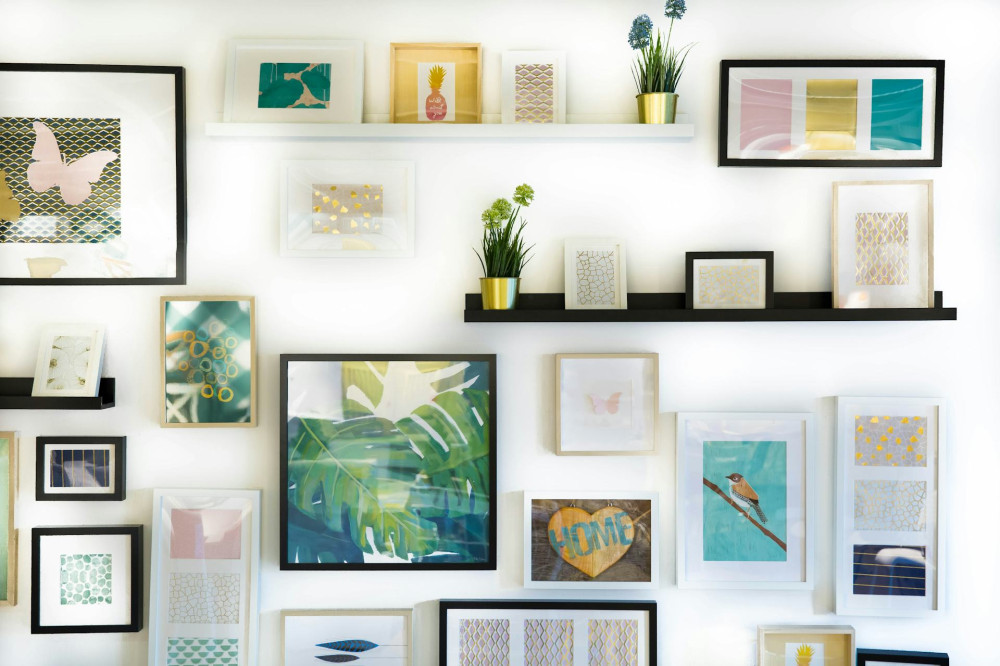
This is also the perfect time to highlight art and details in your décor. A subtle spotlight on a painting or sculpture can transform the room’s atmosphere. Choose a warm white color temperature (around 2700 Kelvin) to bring depth and warmth to the colors in your artwork.
Evening Light – Create Atmosphere and Connection
In the evening, lighting should invite relaxation and togetherness. Use dimmable lamps, floor lamps, and wall sconces that cast a soft, indirect glow. Avoid harsh contrasts and cool light, which can interfere with melatonin production and make it harder to fall asleep.
A great trick is to create lighting zones: one for reading, another for conversation, and a third for showcasing art. This adds depth and variation without over-lighting the space. Smart bulbs that let you adjust both brightness and color temperature via an app make it easy to fine-tune the mood.
Night Light – Comfort Without Disruption
Even at night, light plays a role. A faint night light in the hallway or bathroom can provide safety without fully waking you. Choose fixtures with motion sensors and very low brightness—preferably with reddish tones that won’t disturb sleep.
In the bedroom, avoid screens and bright lamps. A small bedside lamp with a soft glow is enough if you need to get up during the night.
Light and Art in Harmony
When planning your lighting, think about your art from the start. Light can enhance textures, colors, and shapes—but it can also distort them if used incorrectly. Avoid direct sunlight on paintings, as it can fade pigments, and instead use targeted spotlights with high color rendering (CRI 90+).
Sculptures and wall art come alive when lit from the side or above with warm, focused light. This creates shadows and depth that give the pieces character. Remember, the light should complement, not compete—the art should always remain the focal point.
Achieve Balance Around the Clock
A well-lit home isn’t about having the most lamps—it’s about finding the right rhythm. By adjusting your lighting to match the time of day, you can create a home that feels both vibrant and balanced. It’s all about harmony between function and feeling—and about letting light become an active part of your daily life and your art.
Læs også: