Frames that Hit the Mark – How the Edge Profile Shapes the Viewing Experience

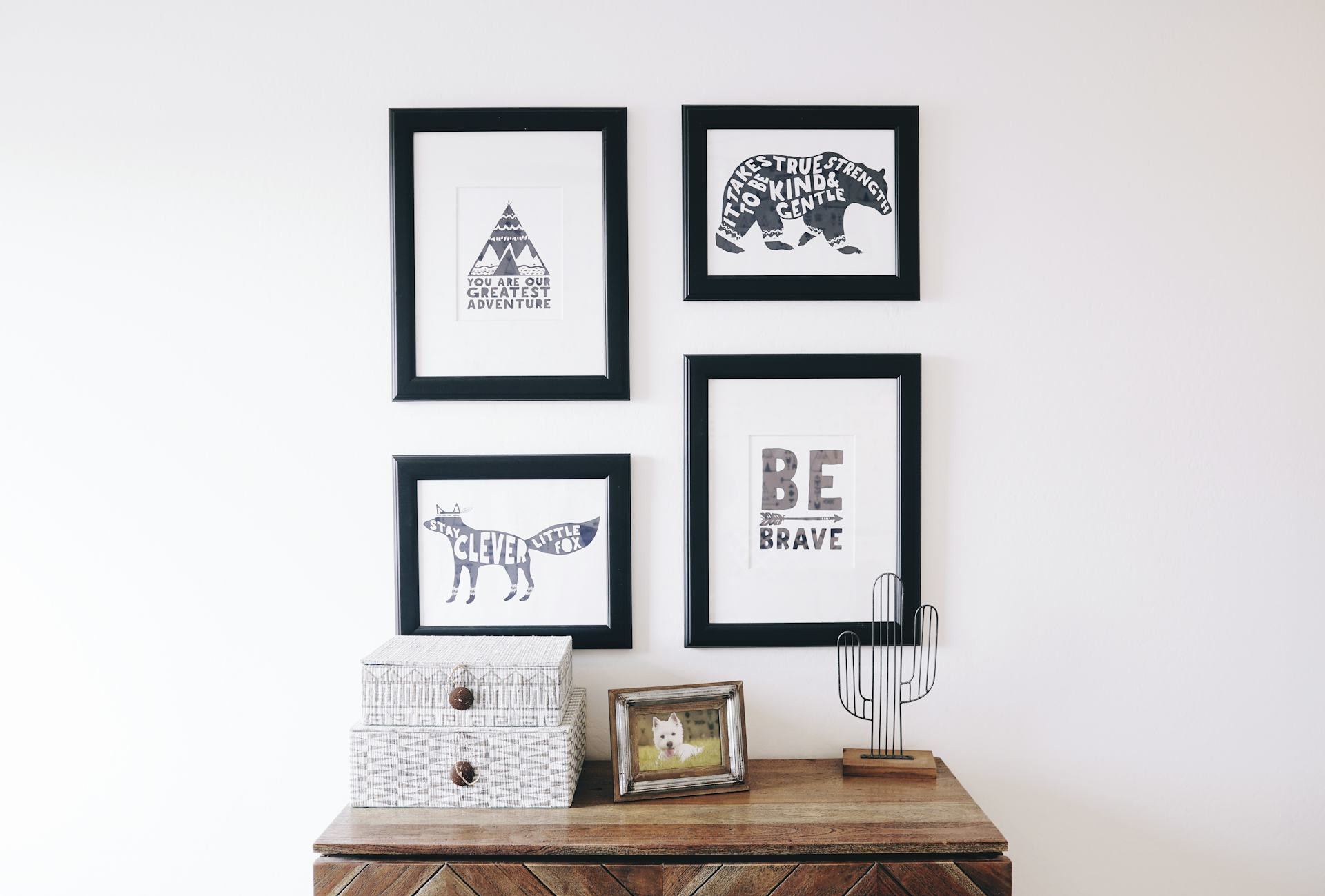
Frames that Hit the Mark – How the Edge Profile Shapes the Viewing Experience
When you choose a frame for a picture, it’s not just about protecting the artwork – it’s about presenting it in the best possible way. A frame is part of the overall impression, and the edge profile – the shape and thickness of the frame’s side – plays a major role in how the image is perceived. The right profile can make a piece feel light and airy or bold and dramatic. It can create calm, contrast, or depth. Let’s take a closer look at how the edge profile shapes the viewing experience – and how to choose one that truly hits the mark.
What Is an Edge Profile?
The edge profile is the frame’s shape when viewed from the side. It can be flat, beveled, rounded, curved, or ornamented. Some profiles are subtle and minimal, while others stand out as a design element in their own right. The profile affects how light interacts with the frame and how the viewer’s eye is guided toward the artwork.
A flat profile gives a clean, modern look, while a curved or detailed edge adds a touch of classic elegance. So it’s not just the color and material that matter – the shape itself helps determine how the frame complements the image.
Balancing Frame and Artwork
A good frame supports the artwork – it shouldn’t compete with it. A wide, heavy profile can add gravitas and presence but might overpower a delicate subject. Conversely, a very thin frame can make a large or colorful piece feel unanchored.
As a general guideline:
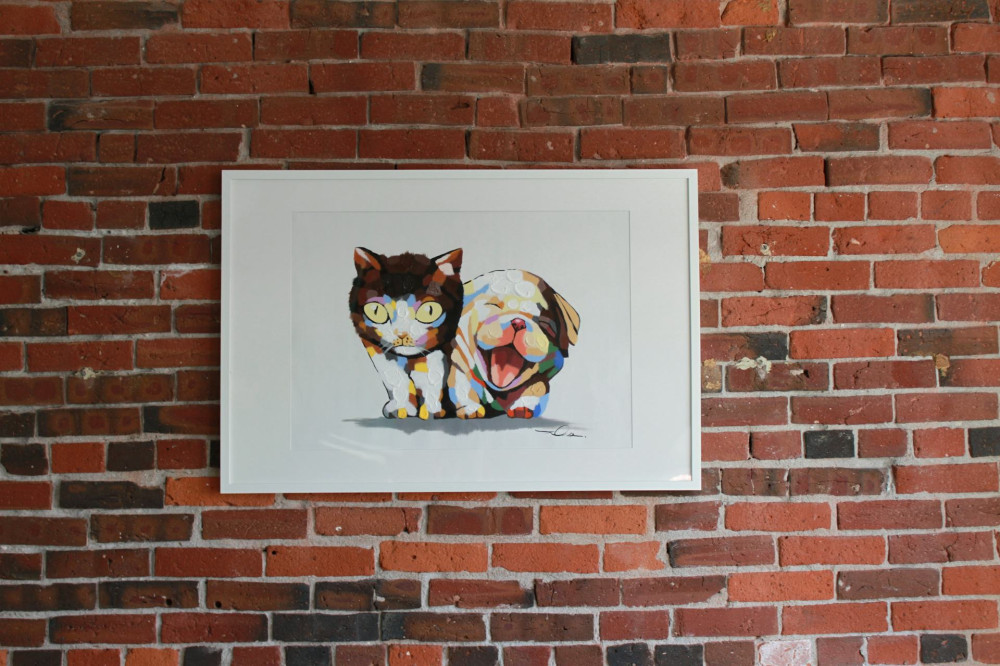
- Thin profiles work well for modern, graphic pieces and photographs.
- Medium profiles suit most paintings and prints, offering balance between artwork and frame.
- Wide profiles are ideal for traditional paintings or works with strong colors and contrasts.
The goal is harmony between the visual weight of the artwork and the physical presence of the frame.
Light, Shadow, and Depth
The edge profile also influences how light plays across the frame. A beveled or curved edge can cast soft shadows that add depth and dimension, while a flat profile reflects light evenly for a clean, contemporary look.
In bright rooms with lots of natural light, a glossy finish can feel overpowering, while a matte surface reduces reflections and lets the artwork take center stage. When choosing a frame, consider both the profile and the finish in relation to the lighting of the space.
Style and Atmosphere in the Room
A frame isn’t just part of the artwork – it’s part of the room’s design. A profile with carved details fits naturally in a traditional or vintage interior, while a simple, straight edge complements modern décor.
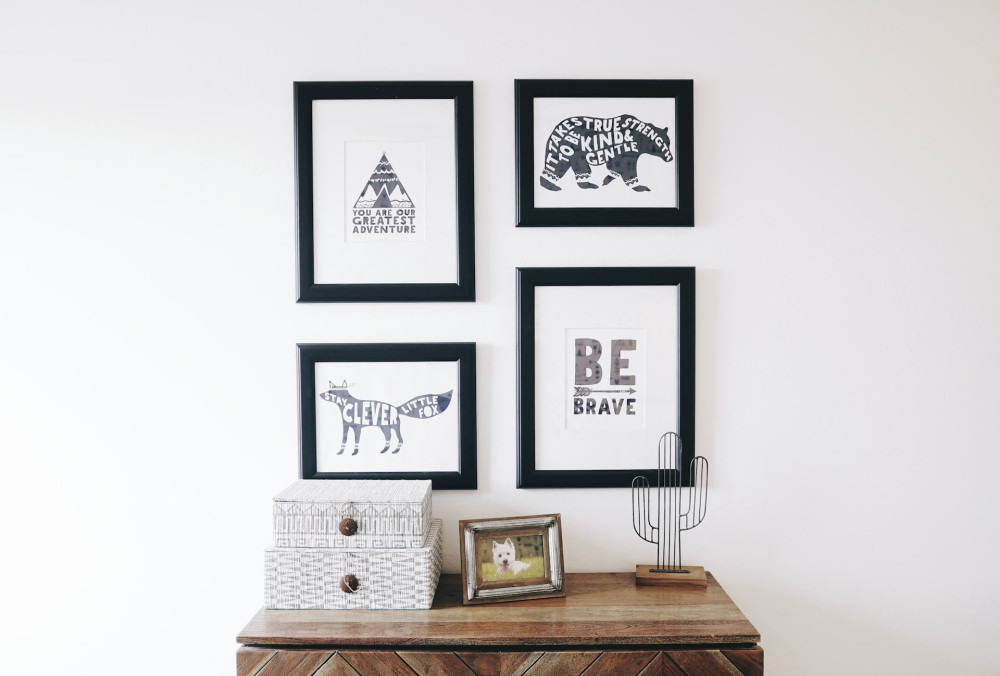
If you’re creating a gallery wall, using frames with the same profile but varying colors or widths can create a cohesive yet personal look. On the other hand, mixing different profiles intentionally can add energy and character to the display.
The Role of Material
Wood, metal, and composite materials each interact differently with light and color. A wooden frame with visible grain feels warm and organic, while a metal frame gives a sleek, industrial edge. The profile enhances this effect: a rounded wooden edge feels soft and natural, while a sharp aluminum profile conveys precision and modernity.
When selecting a frame, think about how the material and profile together support the mood of the artwork. A landscape might gain depth from a gently curved wood profile, while a black-and-white photograph often looks best in a slim, metallic frame.
How to Choose the Right Edge Profile
- Start with the artwork – What’s its mood and style? Should the frame complement or contrast it?
- Consider the space – Where will it hang, and what are the light and color conditions?
- Think about proportions – A frame that’s too wide can feel heavy; one that’s too narrow can disappear.
- Test your options – Many frame shops offer sample corners so you can see how different profiles affect the overall impression.
The key is to find a frame that feels like a natural extension of the artwork – not a barrier between the viewer and the image.
Læs også:

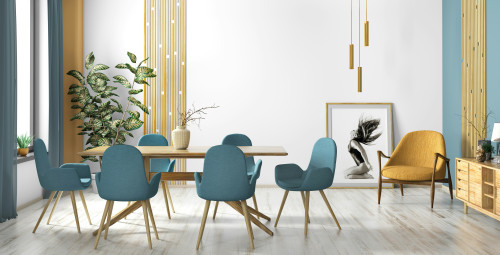


A Frame That Makes the Difference
The right edge profile can elevate a picture from pleasant to captivating. It can create focus, depth, and balance – and make the viewer’s eye linger just a little longer. So next time you’re framing a piece you love, take the time to find the profile that truly hits the mark. It’s the detail that makes all the difference.
Læs også: