Abstract Art at Home: Create Atmosphere with Shapes and Colors

Abstract Art at Home: Create Atmosphere with Shapes and Colors
Abstract art has a unique ability to transform a space in ways few other design elements can. With its free-flowing shapes, bold colors, and open interpretations, it can bring both energy and calm—depending on how it’s used. While a photograph or realistic painting tells a specific story, abstract art invites reflection and emotion. It speaks to the senses and gives your home a personal touch.
What Is Abstract Art—and Why Does It Belong in Your Home?
Abstract art isn’t about depicting reality. Instead, it expresses mood, movement, and balance through color, line, and form. It can be wild and expressive or soft and minimalist. That flexibility makes it a perfect fit for modern American homes, where individuality and creativity are key to interior design.
An abstract piece can serve as a visual anchor in a room—a focal point that draws the eye. It can also spark conversation, since every viewer sees something different in it.
Choosing Art for Each Room
When selecting abstract art for your home, think about the atmosphere you want to create in each space.
- Living Room: This is the place for statement pieces. Large canvases with warm tones or dynamic brushstrokes can add life and energy.
- Bedroom: Choose soothing colors and gentle shapes that promote rest and relaxation.
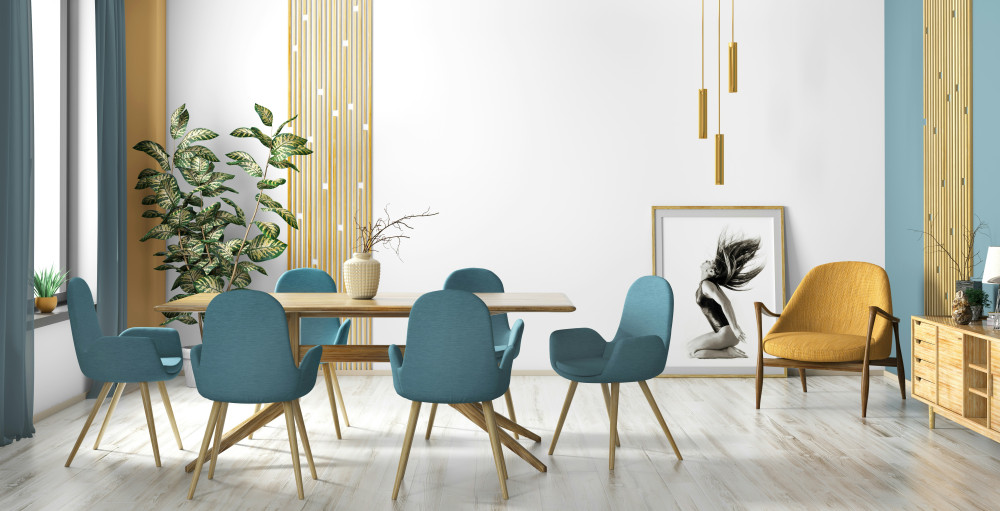
- Kitchen and Dining Area: Experiment with contrast and graphic patterns to bring character and vibrancy.
- Entryway: A colorful piece can welcome guests and set the tone for the rest of your home.
Lighting matters, too. A painting with subtle color variations looks best in natural daylight, while darker works can gain depth under focused lighting.
The Power of Color
Color influences our mood more than we often realize. In abstract art, color takes center stage because it isn’t tied to recognizable subjects.
- Blues and greens create calm and balance.
- Reds and oranges bring warmth and energy.
- Yellows add optimism and brightness.
- Black, white, and gray lend a modern, minimalist feel, especially when paired with bold color accents.
By choosing colors that complement your furniture, textiles, and wall tones, you can create a cohesive look where the art feels naturally integrated into your home.
Balancing Art and Interior Design
An abstract piece needs room to breathe. Avoid hanging it too close to other artworks or furniture that compete for attention. Consider proportions as well: a large canvas can overwhelm a small space, while a tiny piece may disappear on a big wall.
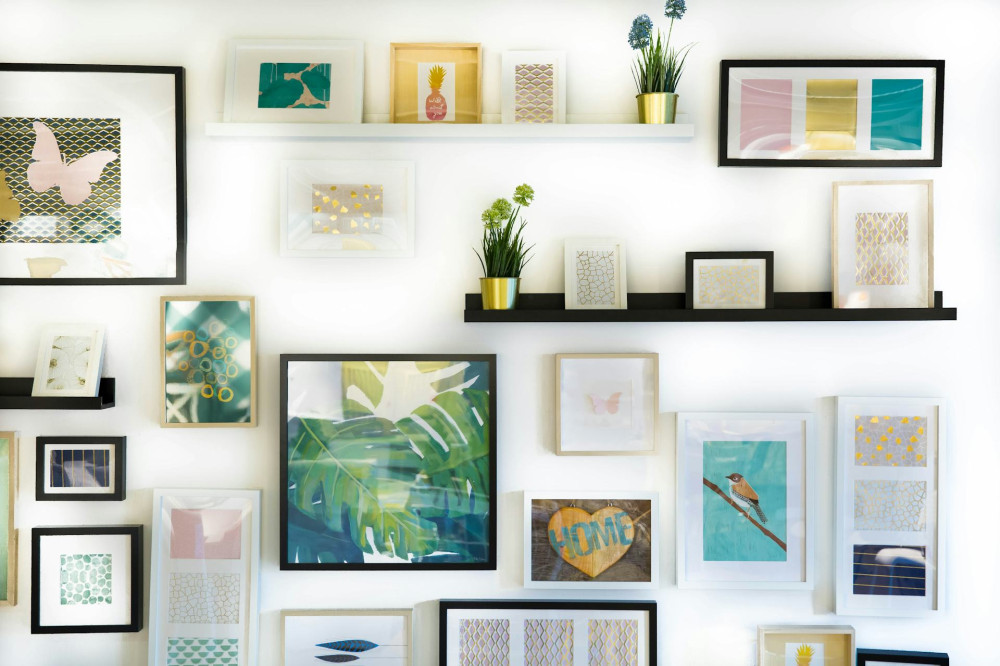
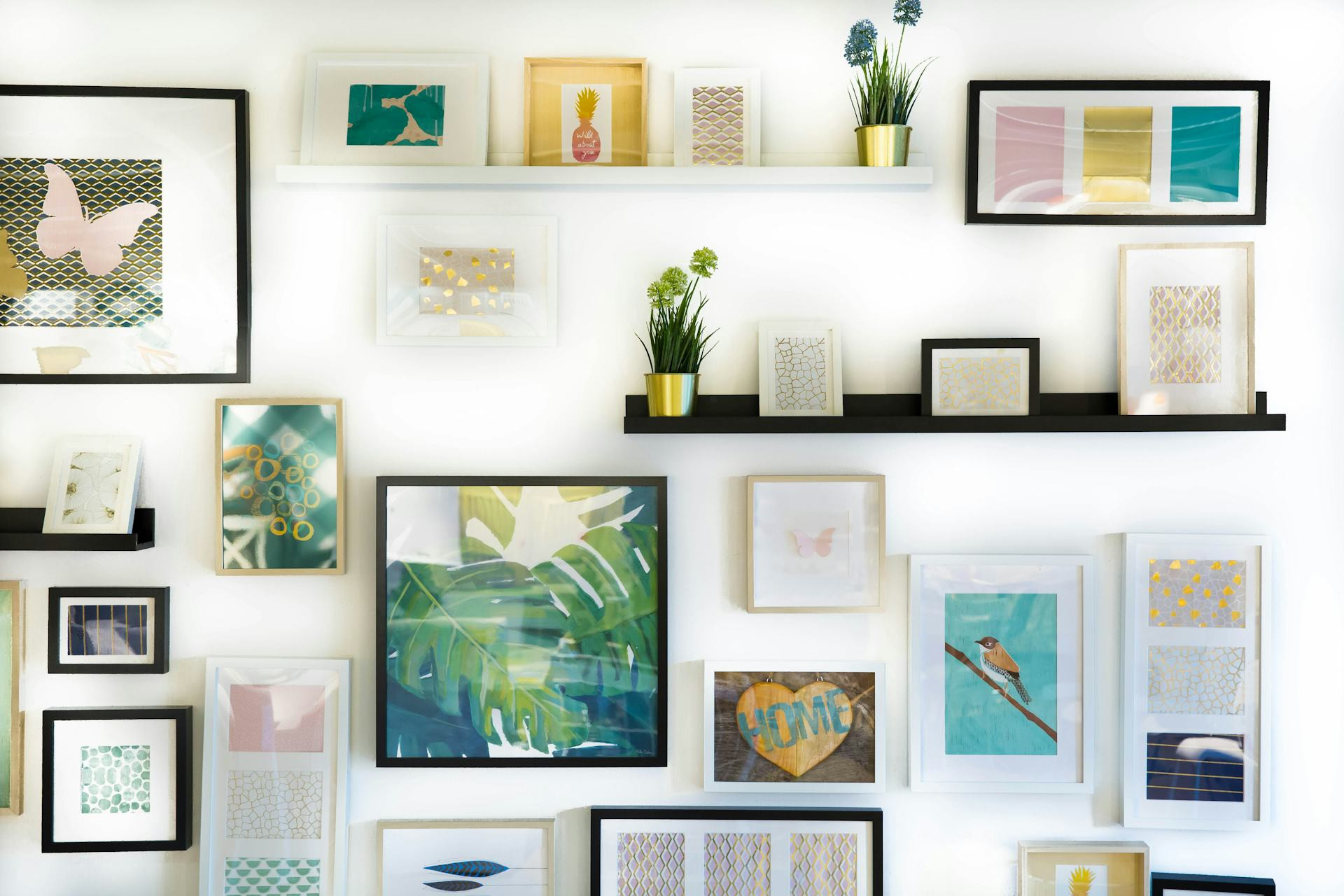
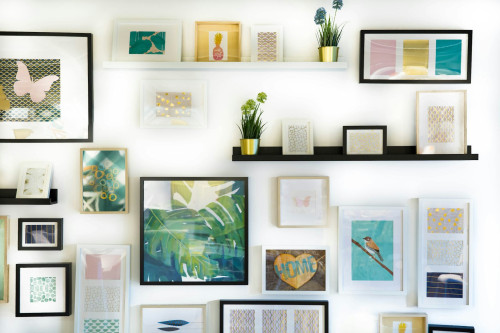
If you have several works, try creating a gallery wall with different sizes and color palettes. The key is to find rhythm—a balance between harmony and variation.
Original Works or Prints?
There are many ways to bring abstract art into your home. Original paintings have a special texture and depth, but prints and posters can be great options if you’re on a budget. Many artists now offer limited-edition prints that still carry a sense of individuality.
You can also support local artists by visiting galleries, art fairs, or open studios. It’s a wonderful way to find unique pieces—and perhaps even meet the artist behind them.
Læs også:


Art as Part of Everyday Life
Abstract art isn’t just about aesthetics; it’s about experience. A piece can change character depending on the time of day, the light, or your own mood. It can remind you to pause, breathe, and let your thoughts wander.
When you surround yourself with art that resonates with you, your home becomes more than just a place to live—it becomes a space that inspires and reflects who you are.
Læs også: