Ceramic Wall Art as the Room’s Natural Focal Point

Ceramic Wall Art as the Room’s Natural Focal Point
In recent years, ceramic wall art has found its way into many American homes, offering a refreshing alternative to traditional paintings and prints. With its tactile surfaces, earthy tones, and handcrafted character, ceramic art brings a sense of warmth and authenticity that resonates with today’s desire for natural materials and meaningful design. It’s more than decoration—it’s a statement piece that draws the eye and anchors the room.
Craftsmanship and Materiality
One of the most captivating aspects of ceramic wall art is its texture. The surface can be smooth, rough, matte, or glossy, and the way light interacts with these variations changes throughout the day. This dynamic quality gives the artwork—and the room itself—a sense of movement and life that flat images rarely achieve.
American ceramic artists often work with stoneware, porcelain, or earthenware, blending traditional techniques with contemporary aesthetics. Some pieces are single panels, while others are modular compositions that form larger reliefs. This flexibility allows homeowners to choose works that fit both the scale and the mood of their space.
A Natural Focal Point in Interior Design
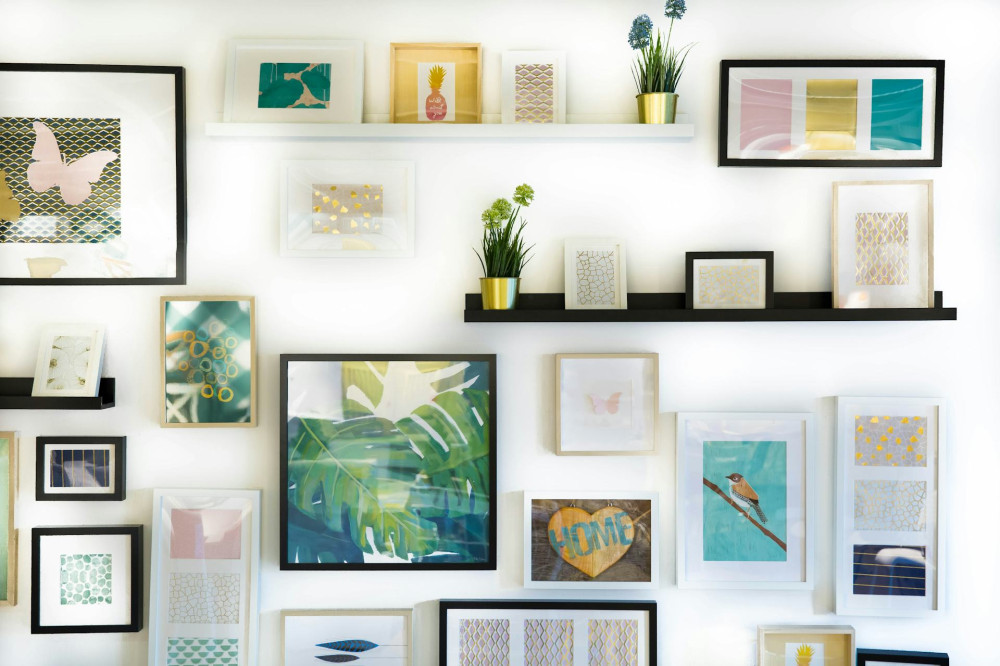
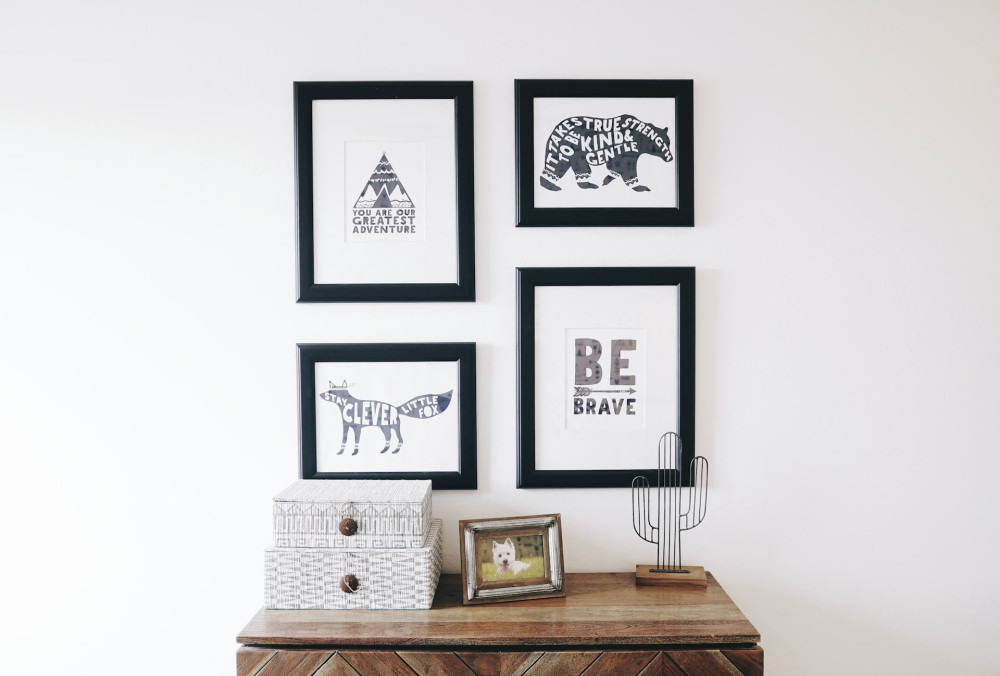
Ceramic wall art naturally commands attention. In a living room, a large ceramic installation can balance the visual weight of furniture and create a central gathering point. In smaller spaces like hallways or kitchens, a series of smaller ceramic tiles can add warmth and personality without overwhelming the area.
The color palette of ceramics ranges from soft, earthy neutrals to deep glazes in cobalt, emerald, and amber. These tones pair beautifully with the organic materials and muted hues popular in modern American interiors. For those who prefer bolder statements, brightly glazed ceramics can introduce a vibrant contrast that energizes the room.
Choosing the Right Piece
Selecting ceramic wall art is about finding harmony between the artwork, the space, and your personal style. Consider the following:
- Size and placement: Large pieces need breathing room, while smaller works can be grouped for visual impact.
- Color and finish: Think about how natural and artificial light interact with the surface—glossy glazes reflect, while matte finishes absorb.
- Mood and form: Do you want something calm and organic, or bold and sculptural?
- Story and origin: Many ceramic artists draw inspiration from nature, culture, or personal narratives, adding depth to the piece.
Visiting local ceramic studios, art fairs, or craft markets can be a rewarding way to discover unique works. Seeing and touching the material in person often makes the decision more intuitive.
The Blend of Art and Function
Ceramic wall art can also serve a functional purpose. Some pieces incorporate small shelves, hooks, or lighting elements, while others help soften acoustics in open spaces. In this way, the artwork becomes an active part of the home’s design—something you live with, not just look at.
An Investment in the Unique
In a world of mass-produced décor, ceramic wall art stands out for its individuality. Each piece bears the mark of the artist’s hand—subtle variations in shape and glaze ensure that no two works are exactly alike. This authenticity appeals to homeowners seeking a more personal and lasting connection to their surroundings.
Interest in American ceramics is growing, both among collectors and design enthusiasts. Investing in ceramic wall art is not only an aesthetic choice but also a way to support local artisans and preserve the tradition of handmade craft.
Læs også:

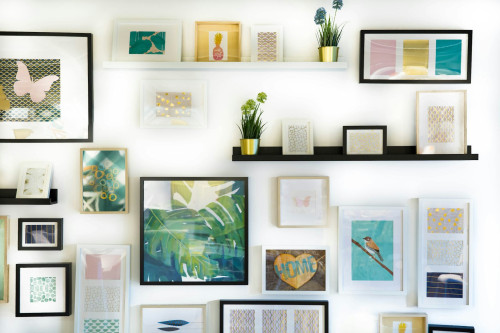

A Living Element in the Home
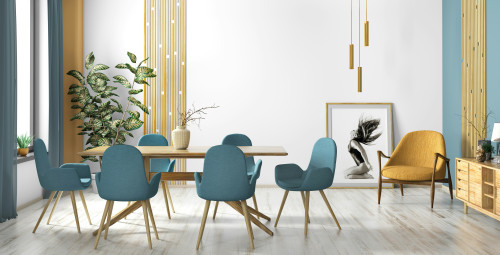
Ceramic wall art is more than a visual accent—it’s a living element that changes with light, season, and perspective. It invites you to look closer, to feel the surface, and to appreciate the craftsmanship behind it. In an age dominated by screens and smooth finishes, ceramics offer a tactile counterbalance—a natural focal point that brings calm, texture, and presence into the room.
Læs også: