Workshop All Year Round: Plan for Every Season


Workshop All Year Round: Plan for Every Season
For many Americans, the workshop is more than just a workspace—it’s a retreat, a place to create, repair, and unwind. But to make the most of it throughout the year, a little seasonal planning goes a long way. Temperature, humidity, and light all shift with the seasons, and those changes affect your tools, materials, and comfort. Here’s how to keep your workshop running smoothly, no matter what the calendar says.
Spring: Clean, Refresh, and Get Ready
Spring is the perfect time to give your workshop a thorough reset. After months of cold and clutter, it’s time to clear out the cobwebs and get organized for new projects.
- Inspect for moisture and mold – especially in basements or garages. Open windows, run a fan, or use a dehumidifier if needed.
- Clean and lubricate tools – a little oil on hinges, clamps, and power tools helps prevent rust and wear.
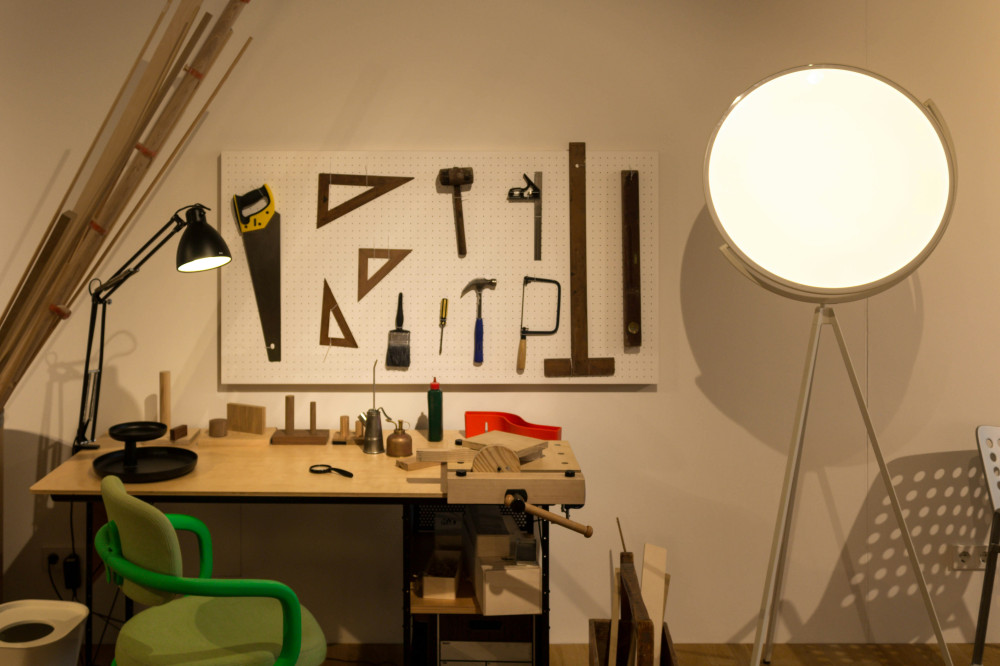
- Reorganize storage – use clear bins, pegboards, and labels so everything has its place.
- Plan your project list – jot down what you want to build or repair this year, from garden planters to home improvements.
Once your space is clean and refreshed, you’ll feel ready to dive into spring projects—tuning up the lawn mower, fixing the bike, or building something new for the yard.
Summer: Take Advantage of Light and Space
Summer brings long days and plenty of natural light—ideal for big projects that need room to spread out. If you can, move some of your work outdoors.
- Set up an outdoor workstation – a folding table or portable workbench makes it easy to work in the fresh air.
- Keep air flowing – even with open doors, heat and dust can build up. Use fans or a portable air filter to stay comfortable.
- Protect materials from heat – paints, adhesives, and wood can warp or dry out in high temperatures. Store them in a cool, shaded spot.
- Do maintenance while it’s dry – sand, paint, and oil tools or furniture when humidity is low.
Summer is also a great time to experiment—try welding, woodworking, or painting projects that benefit from good ventilation and daylight.
Læs også:



Fall: Organize and Prepare for the Cold
As the days shorten and temperatures drop, it’s time to get your workshop ready for winter. A little preparation now will make the colder months much easier.
- Check insulation and seals – drafty doors and windows can let in cold air and moisture. Use weatherstripping or foam to seal gaps.
- Upgrade lighting – replace dim bulbs with bright, energy-efficient LEDs for better visibility.
- Store summer gear properly – clean and pack away lawn tools, bikes, and outdoor equipment so they’re ready for next year.
- Plan indoor projects – winter is perfect for fine work like model building, furniture repair, or tool restoration.
Fall is also a good time to inspect electrical cords, outlets, and safety gear. Make sure everything is in good shape before you settle in for winter work.
Winter: Stay Warm and Productive
Working in a cold shop can be tough, but with a few adjustments, you can stay comfortable and keep creating all winter long.
- Choose an efficient heat source – a small electric heater, radiant panel, or propane unit can make a big difference. Always ensure proper ventilation.
- Control humidity – cold air and condensation can damage tools and wood. Use a dehumidifier or moisture-absorbing packs.
- Focus on small projects – winter is ideal for repairs, sharpening tools, or planning next season’s builds.
- Make it cozy – good lighting, a warm drink, and your favorite music can turn even a chilly workshop into a welcoming space.
By using winter to maintain and plan, you’ll be ready to hit the ground running when spring returns.
A Workshop in Tune with the Seasons
A great workshop isn’t static—it evolves with the year. By adjusting your setup, storage, and projects to match the seasons, you’ll get more done and enjoy the process even more. Whether it’s the bright energy of summer or the quiet focus of winter, your workshop can be a place of creativity and satisfaction all year round.
Læs også: