How to Build a Deck That Lasts: What Most DIYers Get Wrong
Create
Create
17/04/2026

How to Build a Deck That Lasts: What Most DIYers Get Wrong
Create
Create
17/04/2026
A well-built deck can add real value to a home and years of outdoor enjoyment. A poorly built one becomes a safety hazard and an expensive repair job. The difference usually comes down to a handful of decisions made early in the process, most of them involving structure, materials, and fasteners rather than anything visible from the surface.
The Most Common Structural Mistakes
Undersized or incorrectly placed footings
Footings are the foundation of the entire deck, and they are also one of the most frequently underbuilt elements in DIY projects. Footings that are too shallow will shift with freeze-thaw cycles, causing the deck to move, warp, and eventually fail at the connections. In most climates, footings need to extend below the frost line, a figure that varies by region and should be confirmed with local building codes before you dig. Spacing matters too. Overloading a footing by placing posts too far apart puts excessive stress on the structure above, particularly at the ledger connection.Getting the ledger connection wrong
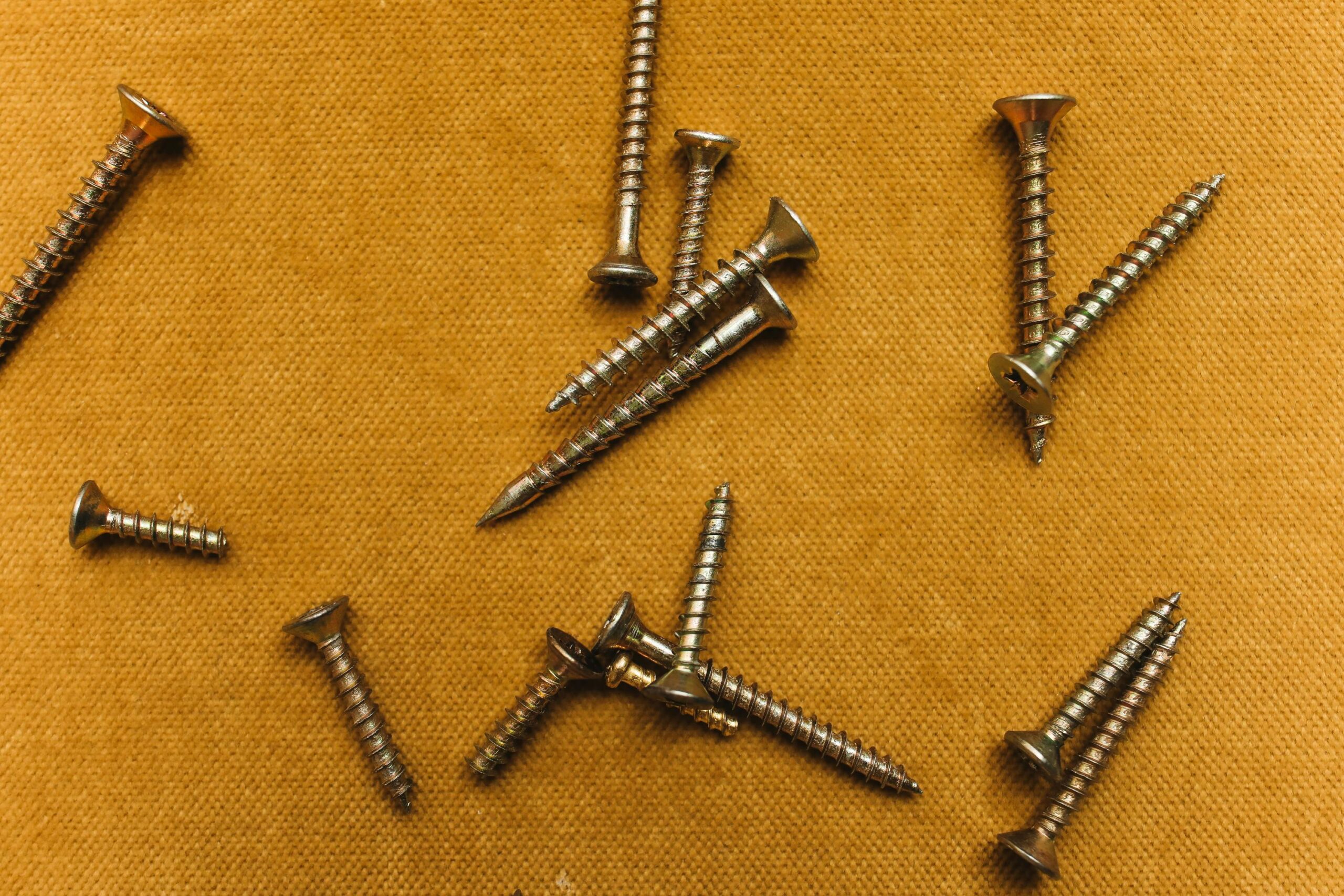
The ledger board (the piece that attaches the deck to the house) is where most structural failures begin. It carries a significant share of the deck's load and needs to be fastened properly to the house's rim joist or band joist, not just to the siding or sheathing. This is where fastener choice becomes critical. Standard wood screws or nails are not adequate for this connection. Structural lag screws are the correct choice here, as they provide the shear strength needed to keep the ledger firmly anchored under load. Star Fasteners Plus carries a full range of structural lag screws suited to this kind of application, which is worth bookmarking before you start a project like this. Lag screws should be staggered in two rows and installed into solid framing lumber, not just the sheathing. Many DIYers also skip flashing at the ledger, which leads to water infiltration and rot over time: a slow failure that is often invisible until the damage is already significant.Choosing the Right Materials Throughout
Decking boards and joist spacing
Pressure-treated lumber is the standard for framing, but not all pressure-treated wood is equal. Check the rating for ground contact versus above-ground use, and make sure any lumber touching concrete or soil is rated accordingly. For decking boards, the species and grade affect how much the boards will warp or check over time. Joist spacing is another area where DIYers often cut corners. Sixteen inches on centre is the standard for most decking materials, but some composite products require closer spacing to prevent flex underfoot. The International Code Council offers detailed residential building guidance covering structural requirements for decks, including joist spacing, footing depth, and fastener specifications, a useful reference before finalising your material choices.Surface fasteners versus hidden clips
Visible screws are fine for most applications, but pre-drilling is essential to avoid splitting, especially near board ends. Hidden fastener clips give a cleaner finish and reduce the risk of surface water pooling around fastener heads, worth the extra cost on a deck that is meant to last.A Deck Built Right Stays Right
The projects that hold up over decades are rarely the ones that moved fastest. Taking time to get footings deep enough, ledger connections properly fastened, and materials correctly specified pays back many times over. Most of the visible mistakes on older decks trace back to decisions made in the first few hours of the build.Sign up for the newsletter
Become part of the club and get good advice directly in your inbox - completely free.
Your email address
Come along
Thank you for registering
I accept the websites terms of use and personal data policy.
Your registration is voluntary and you always have the option to withdraw it. By signing up, you accept our conditions and consent to us processing your information as described in our personal data policy.

Freshen Up Your Home: Easy DIY Projects
Get inspiration for easy DIY tasks that can give your home a breath of fresh air. This ebook contains step-by-step guides to help you transform spaces and details without breaking the bank.
Download e-book