Wood Protection in a Changing Climate – How to Make the Surface Last Longer

Wood Protection in a Changing Climate – How to Make the Surface Last Longer
Across the United States, the climate is shifting. Many regions are seeing heavier rainfall, longer dry spells, and more intense heat and sunlight. For wood surfaces—whether it’s siding, decks, fences, or outdoor furniture—these changes mean greater stress from moisture, UV radiation, and temperature swings. To keep your wood looking beautiful and structurally sound for years to come, it’s essential to choose the right protection and maintain it properly. Here’s how to make your wood surfaces last longer in a changing climate.
Why Wood Protection Matters More Than Ever
Wood is a natural, living material that reacts to its environment. It expands when it absorbs moisture and contracts as it dries. Over time, this movement can cause cracking, peeling, and decay. Sunlight adds another challenge: UV rays break down the wood’s surface fibers, fading color and weakening its natural defenses.
With more extreme weather patterns—humid summers in the Southeast, dry heat in the Southwest, and freeze-thaw cycles in the North—these effects are becoming stronger. That’s why it’s more important than ever to use a wood finish that can resist both moisture and sunlight while still allowing the wood to breathe.
Choosing the Right Type of Wood Finish
There are two main categories of exterior wood protection: semi-transparent stains and solid-color finishes. The right choice depends on the type of wood, the look you want, and how exposed the surface is.
- Semi-transparent stains highlight the wood’s natural grain and texture. They’re great for decks, fences, and siding where you want a natural appearance. However, they typically need to be reapplied every 2–4 years.
- Solid-color finishes act more like paint, providing a uniform color and stronger protection against UV rays and moisture. They usually last 6–10 years before needing a refresh.
Whichever you choose, look for a breathable (vapor-permeable) product—one that lets moisture escape from the wood but prevents water from getting in. This helps reduce the risk of rot from trapped moisture.
Læs også:
Preparation Is Half the Job
A long-lasting finish starts with proper preparation. Skipping this step is the most common reason coatings fail prematurely.
- Clean the surface – Remove dirt, mildew, and loose paint using a brush and a wood cleaner. A pressure washer can help, but use low pressure to avoid damaging the wood.
- Let it dry completely – Wood must be dry before applying any finish. Wait for a stretch of dry weather and check that the surface feels dry to the touch.
- Sand lightly – Especially if the surface is rough or previously coated. This improves adhesion and smooths out imperfections.
- Apply a wood primer or preservative – On new or bare wood, a primer helps prevent fungal growth and ensures even absorption of the finish.
Good preparation not only improves appearance but also extends the life of the protective coating.
Applying the Finish – Do It Right
Application conditions matter. Avoid working in direct sunlight or on very hot days, as the finish can dry too quickly and lead to uneven coverage.
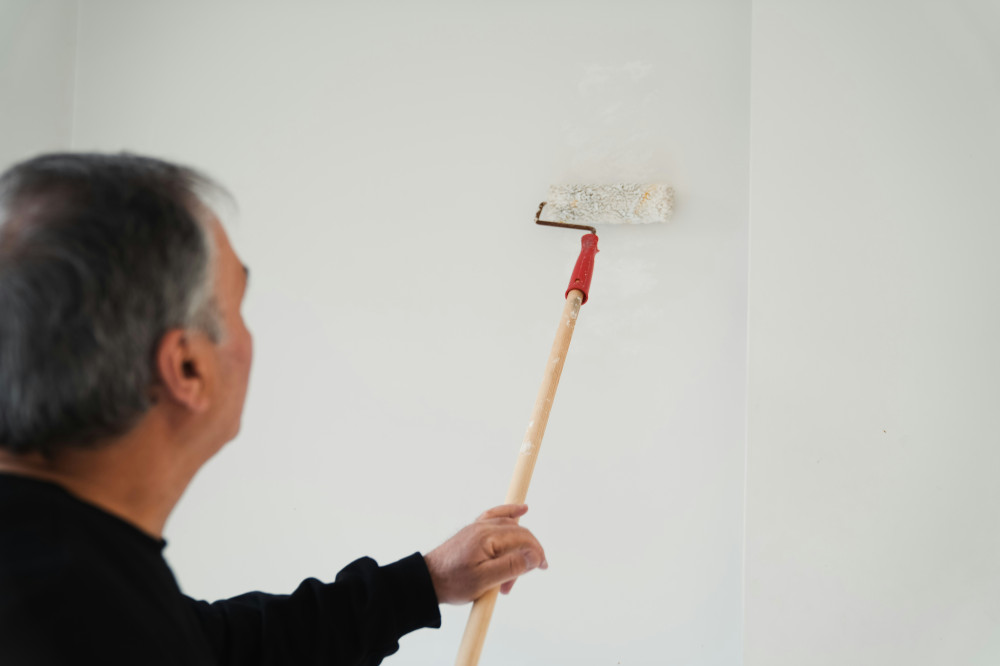
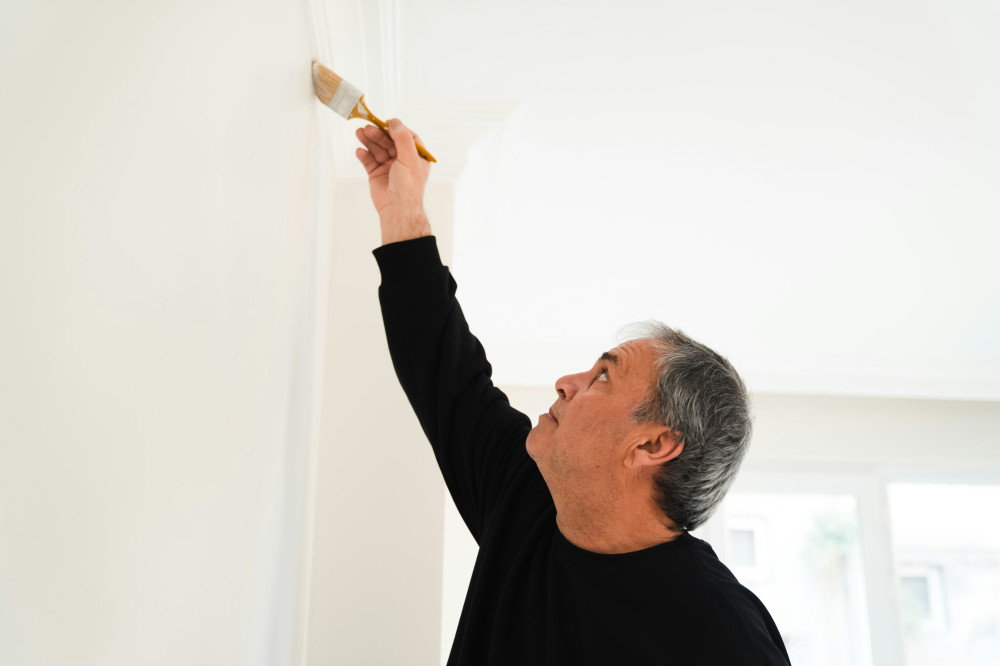
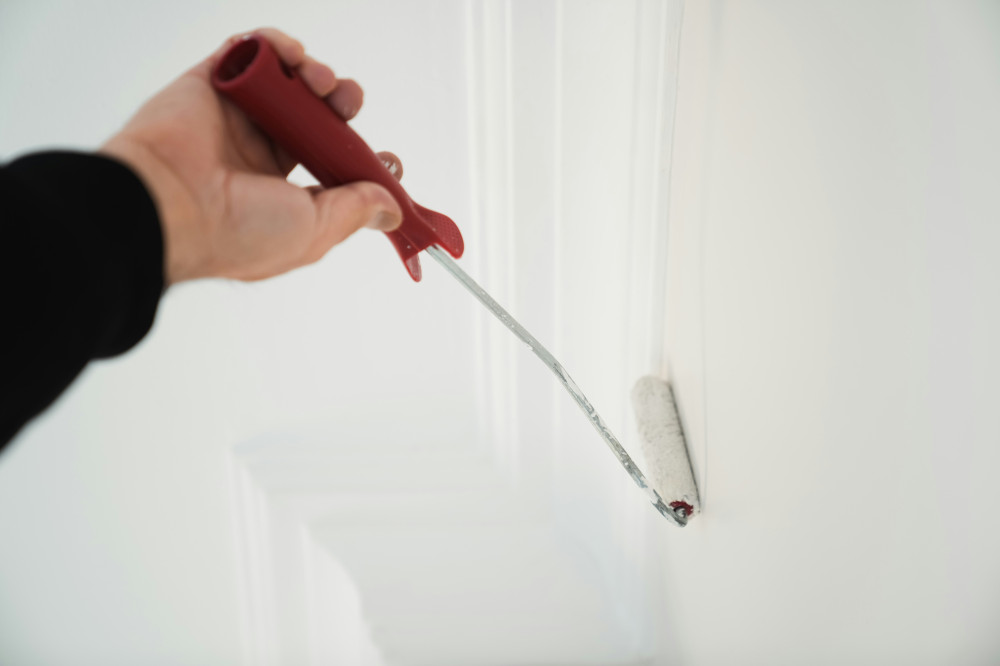
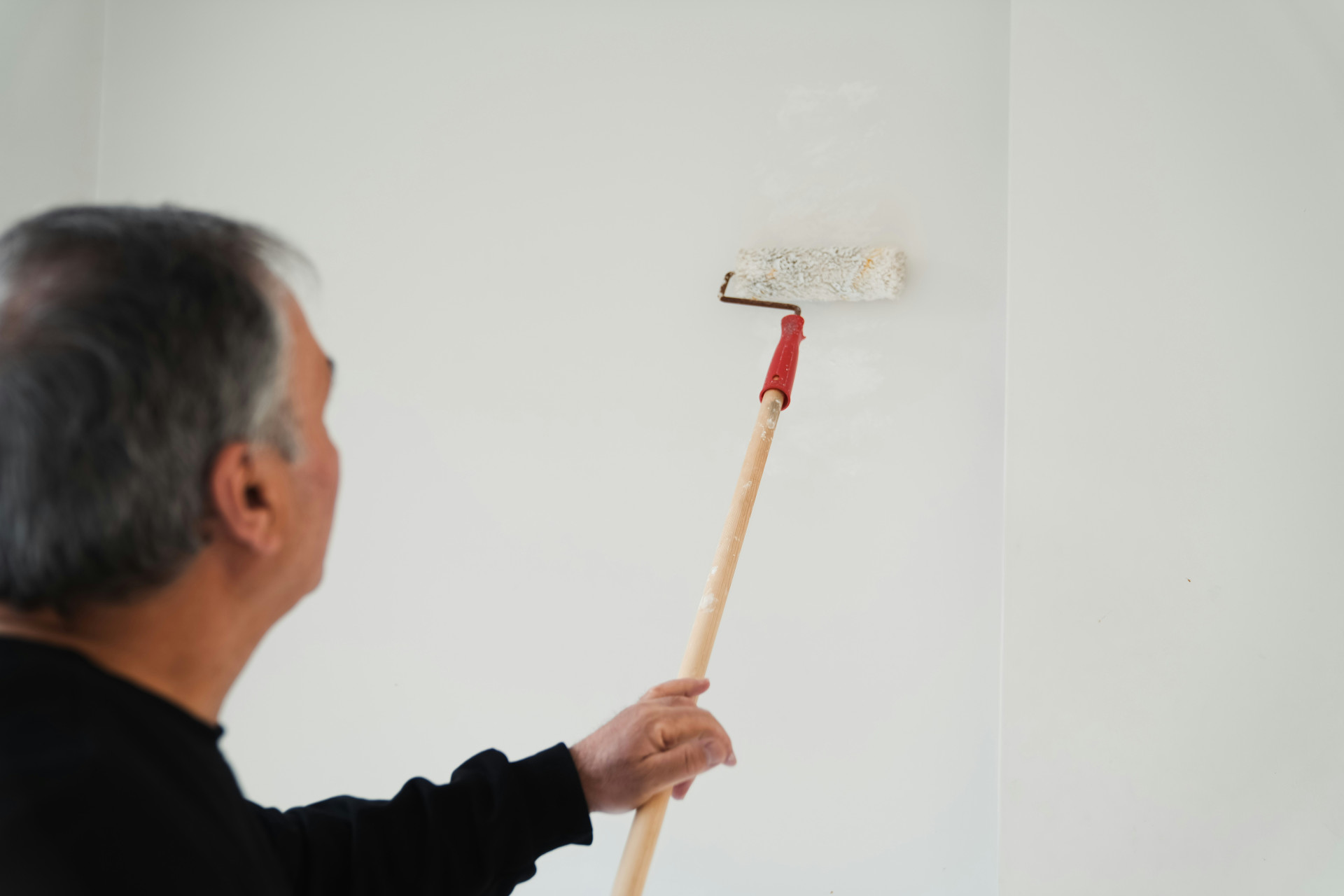
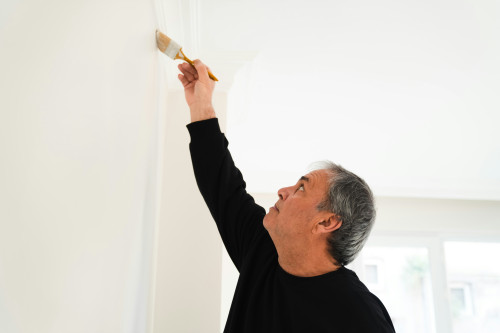
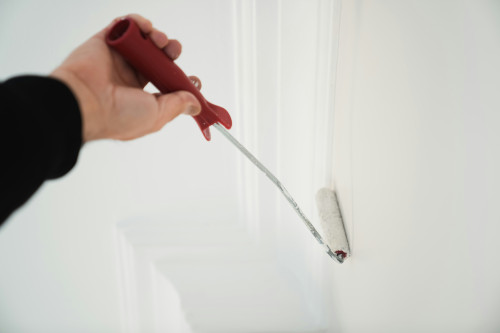
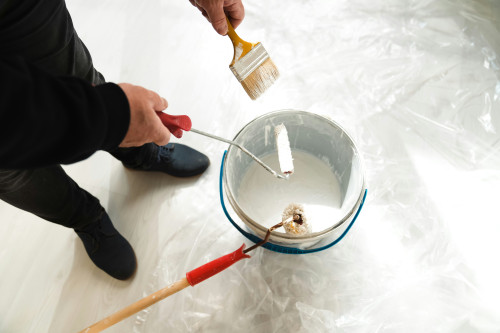
- Use a wide brush or roller designed for exterior wood.
- Apply two coats for best protection, especially on surfaces facing south or west.
- Don’t forget edges and end grain—these areas absorb the most moisture.
- Stir the product regularly to keep pigments and binders evenly mixed.
Work methodically and in the shade when possible. The result will be smoother, more even, and longer-lasting.
Maintenance Through the Seasons
Wood protection isn’t a one-time job. To keep your surfaces in top shape, inspect and maintain them regularly.
- Check annually for cracks, peeling, or discoloration.
- Clean the surface each spring to remove dirt, pollen, and algae.
- Recoat before damage appears—it’s much easier to refresh a finish than to strip and start over.
Keep a record of when you last applied the product and which brand or color you used. It makes future maintenance simpler and more consistent.
Environment and Sustainability
Today’s wood finishes are often water-based and low in volatile organic compounds (VOCs), making them safer for both you and the environment. Many perform just as well as traditional oil-based products.
If you want to go greener, look for finishes certified by programs such as Green Seal or GREENGUARD, which set standards for environmental impact and indoor air quality. Always dispose of leftover paint or stain properly—never pour it down the drain.
A Smart Investment
Protecting your wood surfaces takes time and care, but it’s an investment that pays off. Well-maintained wood not only lasts longer but also enhances your home’s appearance and value. In a climate that’s becoming more unpredictable, proper wood protection is one of the best ways to safeguard your home’s exterior for the long run.
Læs også: