Where Should You Insulate First? Get the Most Out of Your Effort

Where Should You Insulate First? Get the Most Out of Your Effort
When energy bills climb and your home feels drafty, it’s tempting to jump straight into insulation projects. But where should you start if you want the biggest return on your effort—both in comfort and savings? The answer depends on where your home loses the most heat and which upgrades give you the best payoff. Here’s a guide to help you prioritize your insulation projects and make every dollar count.
Start by Finding the Heat Loss
Before you begin, it’s important to understand where your home is losing energy. You can identify problem areas by:
- Scheduling a home energy audit – Many utility companies or local energy programs offer audits that pinpoint where your home is leaking heat.
- Using a thermal camera – Infrared imaging can reveal cold spots and air leaks around walls, ceilings, and windows.
- Checking for drafts yourself – Cold walls, chilly floors, and noticeable drafts near windows or outlets are signs of poor insulation or air sealing.
Once you know where the heat escapes, you can focus on the areas that will make the biggest difference.
The Attic – The Best Place to Start
In most American homes, a large portion of heat loss happens through the roof. That’s why the attic is usually the first and most cost-effective place to insulate.
Adding or upgrading attic insulation can dramatically reduce heat loss and improve comfort throughout the house.
- If you have less than about 10–14 inches of insulation, adding more can pay off quickly.
- Make sure the attic remains properly ventilated to prevent moisture buildup.
- Don’t forget to seal the attic hatch—it’s a common source of air leaks.
Attic insulation is relatively inexpensive, easy to install, and often delivers noticeable results within days.
Læs også:

Exterior Walls – Big Impact, Bigger Investment
After the attic, exterior walls are the next major source of heat loss. The best approach depends on your home’s construction and age.
- Blown-in insulation can be added to wall cavities in many older homes without major remodeling.
- Exterior insulation (added under new siding) offers excellent performance but is more costly and labor-intensive.
- Interior insulation can be an option during major renovations but must be done carefully to avoid moisture issues.
Wall insulation improves both energy efficiency and indoor comfort, but it’s a project that requires planning and a higher budget.
Floors and Basements – When Cold Feet Tell the Story
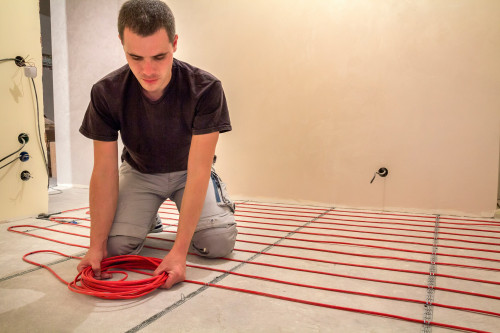
If your floors feel cold in winter, you may be losing heat through the floor or basement ceiling. While the energy savings are smaller than from attic or wall insulation, the comfort improvement can be significant.
- In homes with crawl spaces, insulate the underside of the floor.
- In basements, insulate the ceiling or the basement walls, depending on how the space is used.
- During major remodels, consider adding insulation under new flooring.
These upgrades are often best tackled when you’re already renovating, but they can make your home feel much warmer.
Windows and Doors – Small Areas, Big Difference
Even though windows and doors make up a small part of your home’s surface, they can account for a large share of heat loss if they’re old or leaky.
- Replace old single-pane windows with energy-efficient double or triple-pane models.
- If replacement isn’t in the budget, seal gaps with weatherstripping and caulk.
- Use thermal curtains or storm windows for extra insulation during cold months.
New windows can be expensive, but they improve both comfort and energy efficiency—and often boost your home’s value.
Think Holistically – Plan in Stages
The best results come from viewing insulation as part of a whole-home energy plan. Start with the most cost-effective upgrades—typically the attic and walls—and build from there.
You can also combine insulation projects with other improvements, such as upgrading your HVAC system or adding ventilation.
A certified energy auditor can help you create a prioritized plan so you get the most benefit from your investment—both now and in the long run.
Insulation Is About Comfort, Too
While saving money is a major motivator, insulation is also about creating a more comfortable, healthier home. A well-insulated house feels cozier, has fewer drafts, and maintains a more consistent temperature year-round.
So, where should you insulate first? Start where the heat escapes fastest—and where your effort delivers the biggest impact. For most homes, that means beginning in the attic and working your way down.
Læs også: