Can your current heating system be combined with a heat pump?

Can your current heating system be combined with a heat pump?
Many homeowners across the U.S. are considering switching to a heat pump—whether to lower energy bills, reduce carbon emissions, or move away from fossil fuels. But what if you already have a heating system that works well? Can it be combined with a heat pump, or does it require a full replacement? The answer depends on the type of system you have and how your home is set up. Here’s an overview of your options.
Why combine instead of replace?
Combining a heat pump with your existing heating system can be a smart middle ground. It offers flexibility, reduces the risk of changing everything at once, and can be more cost-effective if your current system still has life left in it. A hybrid setup can give you the best of both worlds: reliable heating and improved energy efficiency.
For example, a heat pump can handle most of your heating needs during mild weather, while your existing system takes over when temperatures drop below freezing. This approach can lower your energy use and carbon footprint without sacrificing comfort.
Combining with a gas or oil furnace
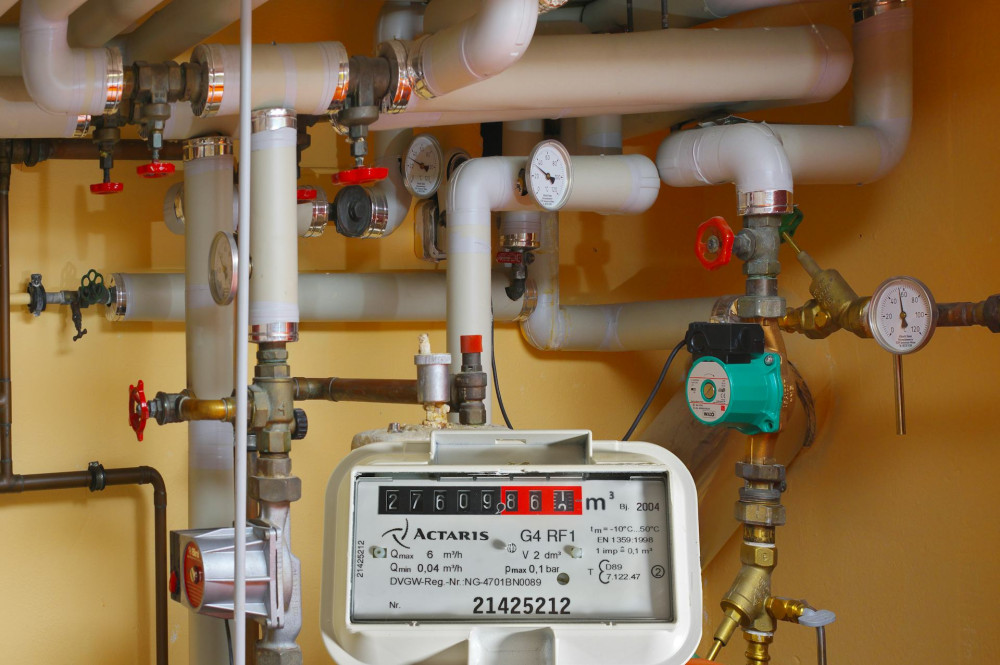
If your home is heated with a natural gas or oil furnace, you can often combine it with an air-source heat pump in what’s known as a dual-fuel or hybrid system. In this setup, the heat pump and furnace work together, automatically switching between them based on outdoor temperature and energy costs.
- Advantages: You can significantly reduce your gas or oil consumption while keeping the reliability of your existing furnace.
- Disadvantages: Installation requires proper controls and integration, and you may need to upgrade your thermostat or ductwork.
Dual-fuel systems are especially popular in colder regions where homeowners want to transition gradually to cleaner energy while maintaining dependable heating during extreme cold.
Combining with electric resistance heating
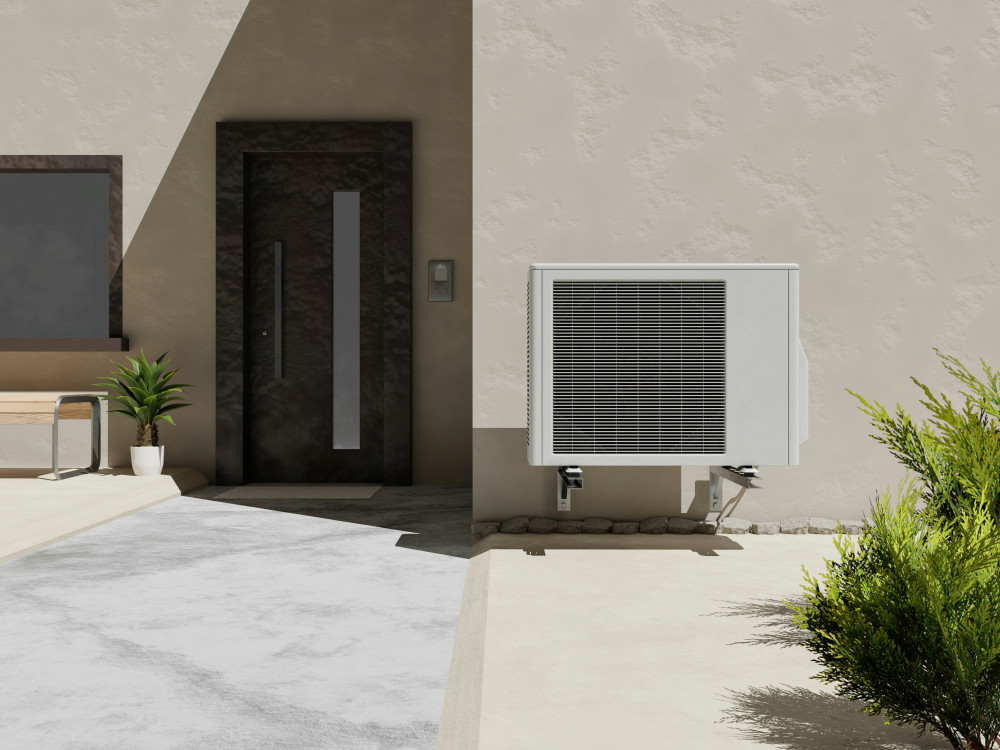
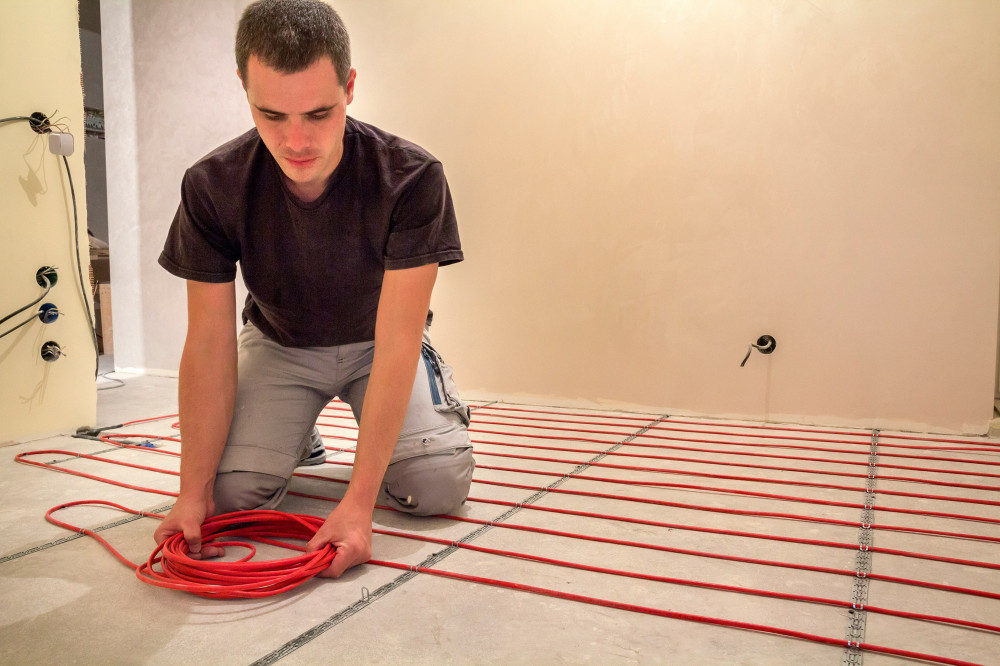
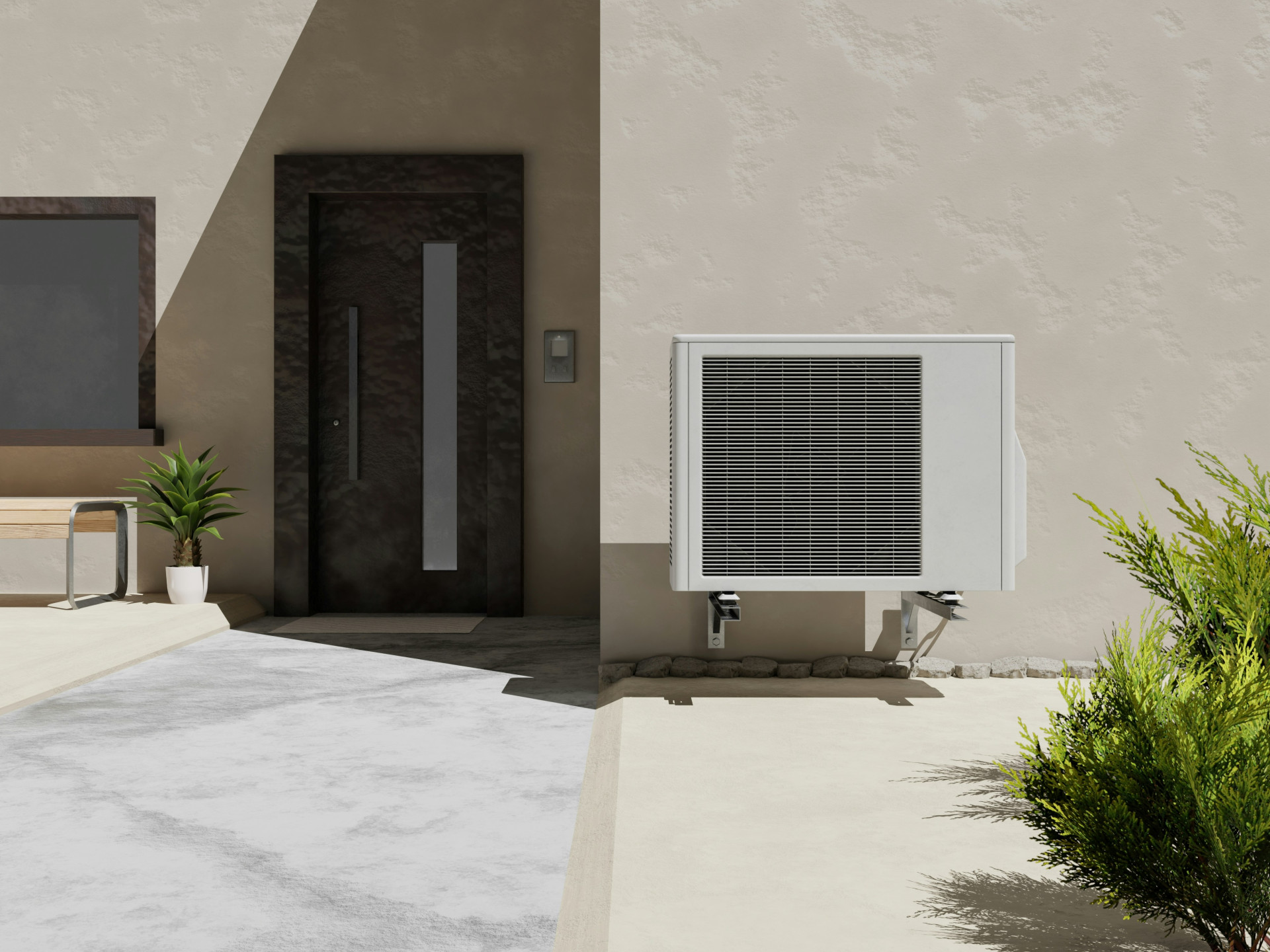
If your home uses electric baseboard heaters or electric furnaces, adding a heat pump can dramatically improve efficiency. A ductless mini-split or air-source heat pump can deliver three to four times more heat energy than the electricity it consumes.
You can keep your existing electric heaters as backup but let the heat pump handle everyday heating. This setup can lower your electricity bills and improve indoor comfort, as heat pumps circulate air and help control humidity.
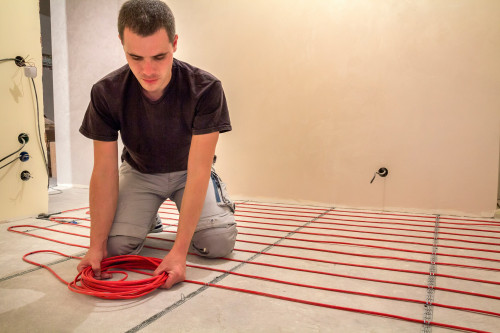
Combining with radiant or hydronic systems
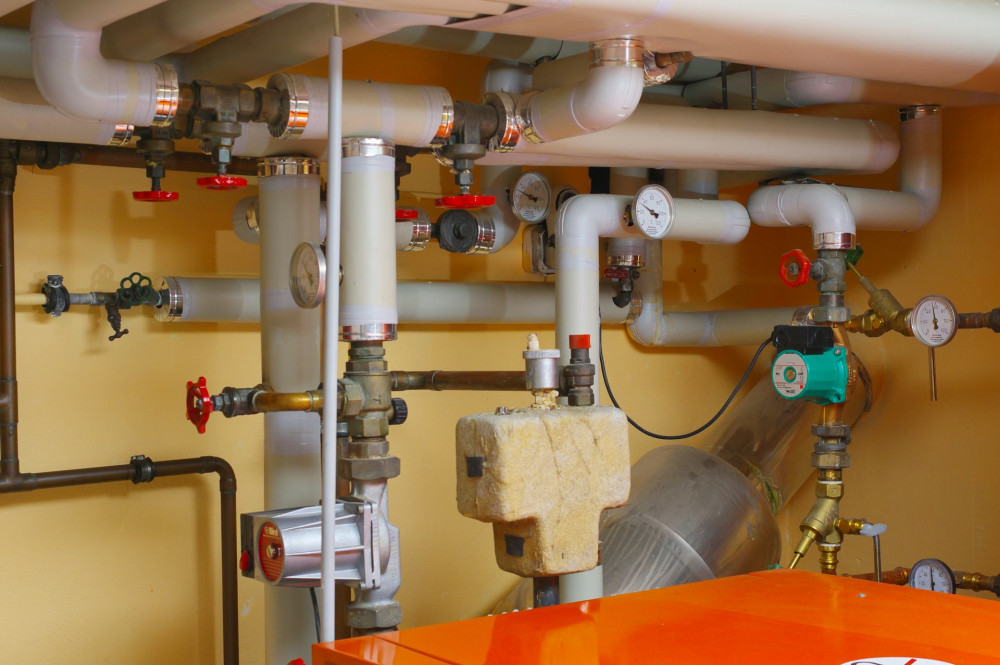
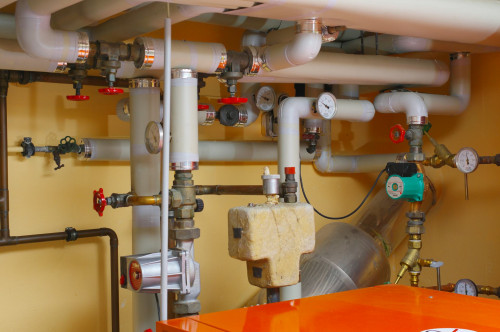
Homes with radiant floor heating or hydronic baseboards can also benefit from a ground-source (geothermal) or air-to-water heat pump. These systems heat water instead of air, making them compatible with existing piping and radiators in many cases.
However, because heat pumps operate most efficiently at lower water temperatures, you may need to adjust your system or improve insulation to get the best performance.
Combining with wood or pellet stoves
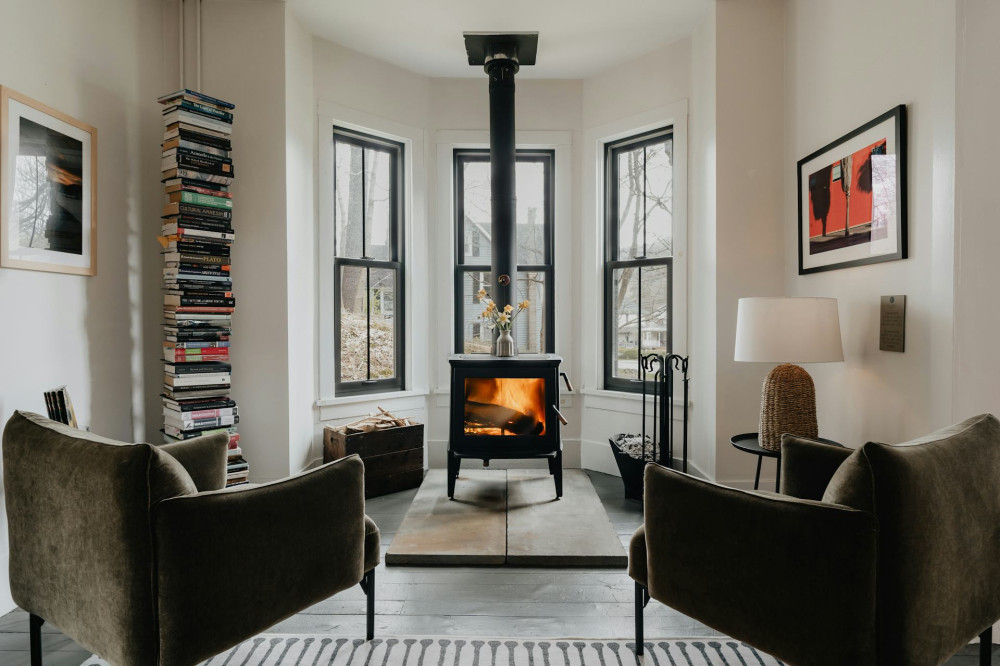
Many rural homeowners use wood or pellet stoves as a supplemental heat source. A ductless heat pump can maintain a steady baseline temperature throughout the home, while the stove provides extra warmth and ambiance on colder days. This combination offers both comfort and flexibility, especially in areas prone to power outages or fluctuating fuel prices.
Læs også:

What to consider before combining systems
Before integrating a heat pump with your current heating setup, there are several practical factors to keep in mind:
- Insulation: Heat pumps perform best in well-insulated homes. Poor insulation can reduce efficiency and comfort.
- Ductwork: If you have older or leaky ducts, sealing or upgrading them can improve performance.
- Space and noise: Outdoor units require adequate space and should be placed to minimize noise near living areas.
- Climate: In very cold regions, a dual-fuel system may be more effective than a heat pump alone.
- Permits and incentives: Check local building codes and explore federal or state incentives, such as tax credits under the Inflation Reduction Act, which can help offset installation costs.
It’s wise to consult a licensed HVAC professional who can assess your current system and recommend the most efficient combination for your home.
An investment in comfort and sustainability
Combining your existing heating system with a heat pump can be a practical step toward a more energy-efficient and sustainable home. You can make use of your current equipment while reducing energy consumption and emissions.
For many U.S. homeowners, it’s a flexible solution that provides peace of mind during the transition to cleaner heating—without the need to replace everything at once.
Læs også: