Density and Pressure: How to Ensure an Efficient Hydronic Floor Heating System

Density and Pressure: How to Ensure an Efficient Hydronic Floor Heating System
A hydronic floor heating system can provide consistent, comfortable warmth throughout your home—but only if it’s properly sealed and pressurized. Even small issues with pressure, trapped air, or leaks can lead to uneven heating, higher energy bills, and potential damage to the system. Here’s a practical guide to keeping your hydronic floor heating system running efficiently and reliably.
Why Density and Pressure Matter
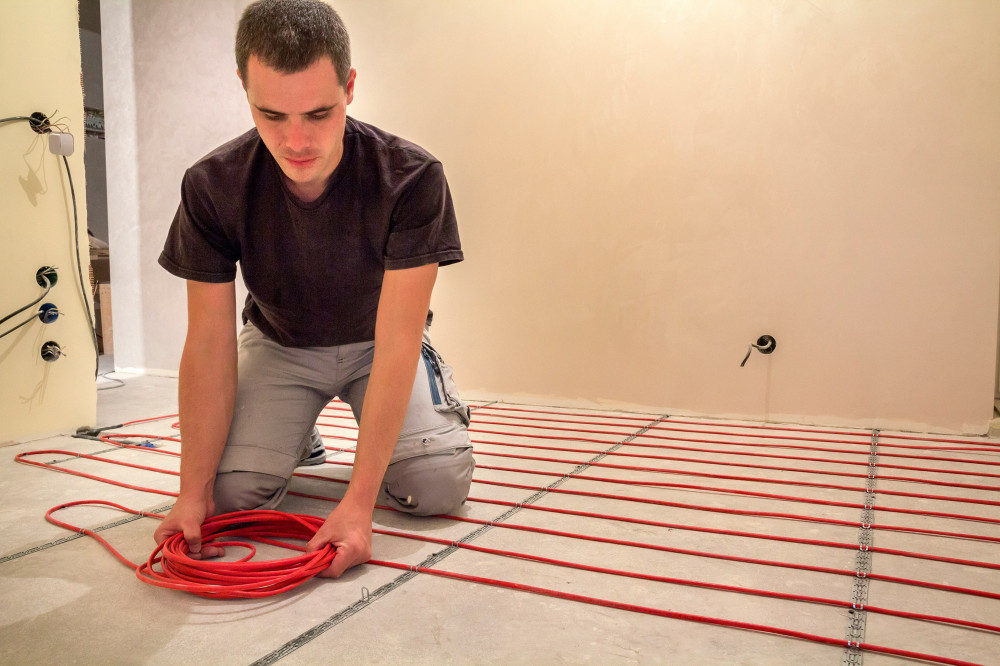
Hydronic floor heating works by circulating warm water through tubing embedded in the floor. For the heat to distribute evenly, the system must be airtight and maintain the correct pressure. If air enters the system or the pressure drops, water circulation becomes uneven, creating cold spots on the floor.
Proper pressure ensures that the pump can move water through the entire system, while tight seals prevent both heat loss and water damage. Regular checks—especially during the heating season—help maintain optimal performance.
How to Check System Pressure
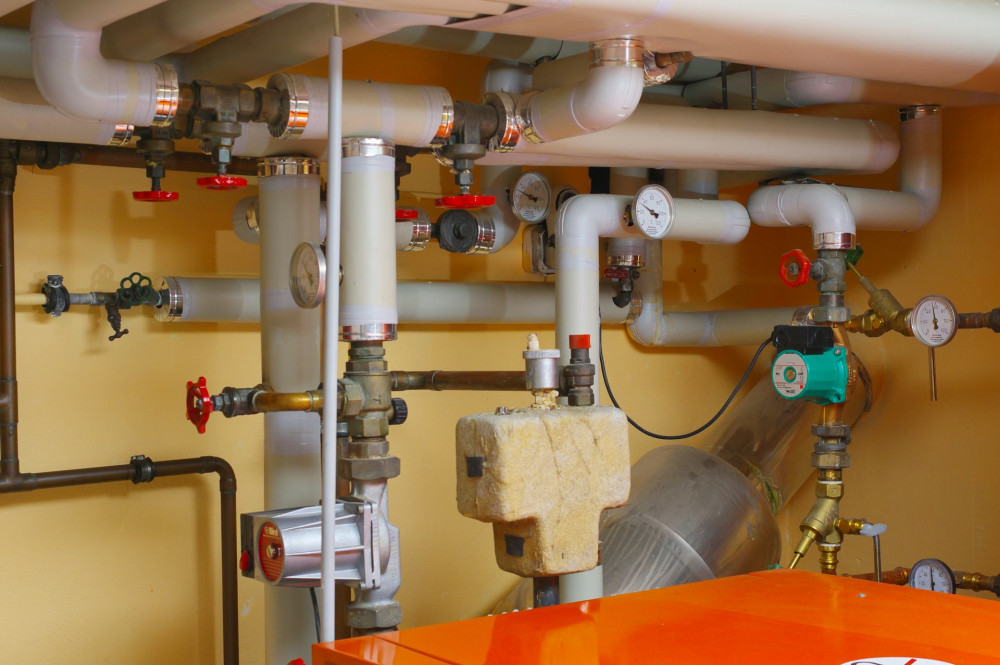
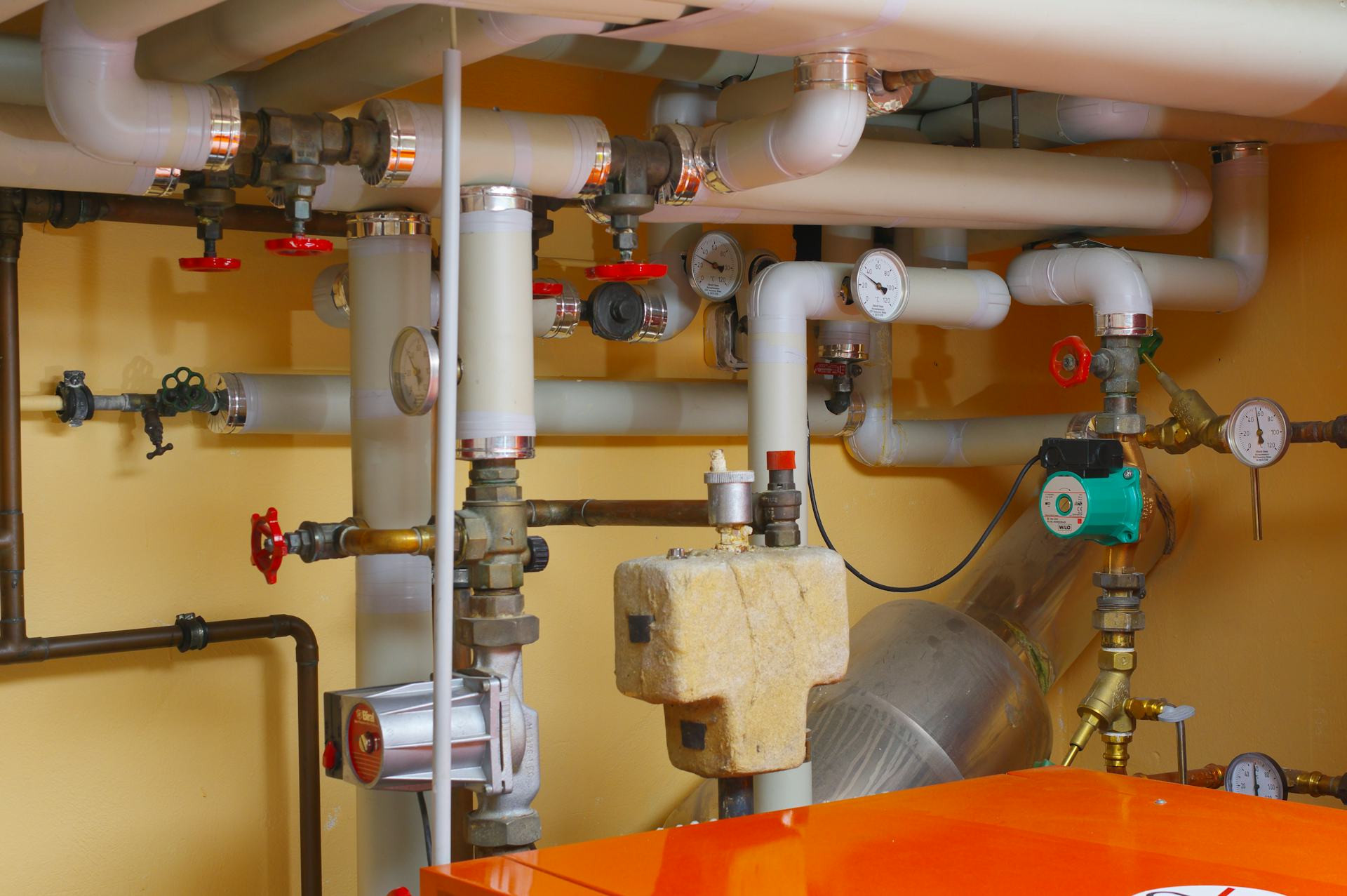
Most hydronic systems include a pressure gauge located near the manifold or the heat source (such as a boiler or water heater). In residential systems, the pressure typically should be between 12 and 20 psi, but always refer to the manufacturer’s specifications for your particular setup.
- If the pressure is too low, there may be air in the system or a small leak, which can reduce circulation efficiency.
- If the pressure is too high, it could indicate overfilling or a problem with the expansion tank, which is designed to absorb pressure changes as water heats and expands.
If you’re unsure about the correct pressure range, consult your system’s manual or contact a licensed HVAC or plumbing professional.
Bleeding the System – A Small Step with Big Impact
Air trapped in the pipes is one of the most common causes of uneven heating. Air pockets block water flow, leading to cold areas on the floor.
To bleed the system:
- Turn off the heat and allow the system to cool slightly.
- Open the air vents on the manifold one at a time until a steady stream of water flows without air bubbles.
- Check the pressure afterward—it often drops slightly during bleeding, so you may need to add water.
It’s a good idea to bleed the system once a year, typically at the start of the heating season.
Refilling the System – Step by Step
If the pressure is too low, you’ll need to add water through the fill valve, usually located near the boiler or heat source.
- Open the valve slowly while watching the pressure gauge.
- Close the valve once the pressure reaches the recommended level.
- Bleed the system again if you’ve added a significant amount of water.
Always use clean, cold water from the tap, and avoid overfilling—the system’s components can be damaged by excessive pressure.
Leak Testing – When You Need to Be Sure
If the pressure keeps dropping, there may be a leak somewhere in the system. A pressure test can confirm this. A professional technician can pressurize the system and monitor it over time to detect any loss. Leak testing is especially important after new installations or if you suspect a hidden leak under the floor.
Maintenance and Prevention
Hydronic floor heating systems require minimal maintenance, but regular checks can extend their lifespan and improve efficiency.
- Check the pressure a few times a year.
- Bleed the system if you hear gurgling or notice uneven heating.
- Keep manifolds and valves accessible for inspection.
- Have the system serviced by a professional every two to three years.
A well-maintained system not only provides better comfort but also reduces energy consumption by ensuring optimal heat transfer.
Læs også:

A Stable System for Everyday Comfort
When your system’s density and pressure are properly balanced, it operates quietly and efficiently in the background. You’ll enjoy warm floors, consistent temperatures, and peace of mind knowing your system is performing as it should. With a little attention and routine maintenance, your hydronic floor heating system will deliver comfort and efficiency year after year.
Læs også: