Unleash Creativity – Let Kids Experiment with Colors, Shapes, and Materials

Unleash Creativity – Let Kids Experiment with Colors, Shapes, and Materials
When children are given the freedom to create, they open the door to imagination, learning, and joy. Painting, cutting, building, and shaping aren’t just play—they’re ways of exploring and understanding the world. Through creative activities, kids develop fine motor skills, focus, and independent thinking. But how can parents and caregivers create the best environment for kids to experiment freely with colors, shapes, and materials?
Create a Space Where Mess Is Welcome
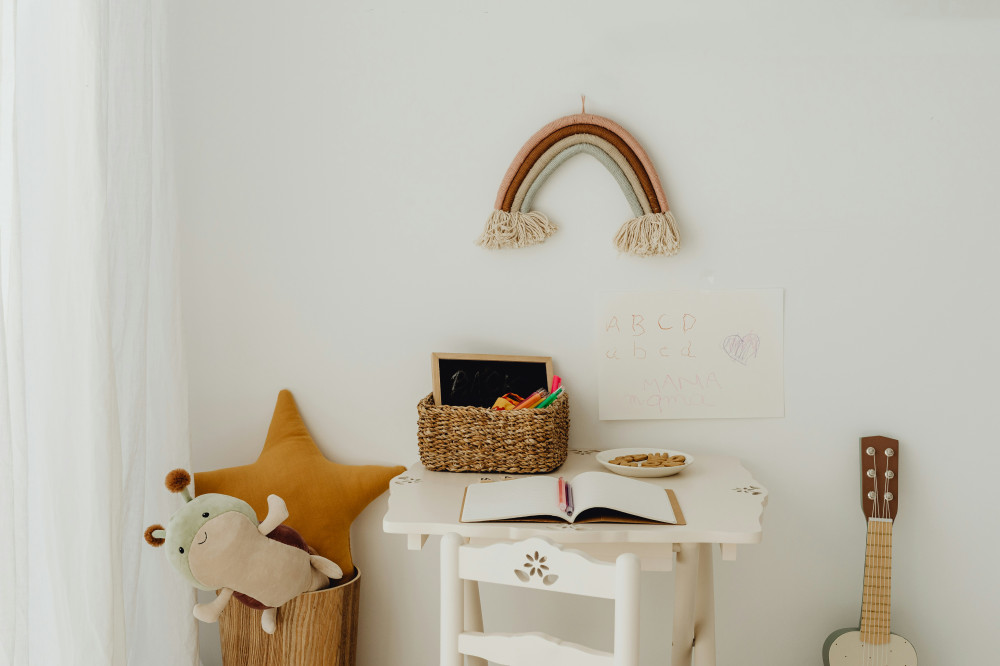
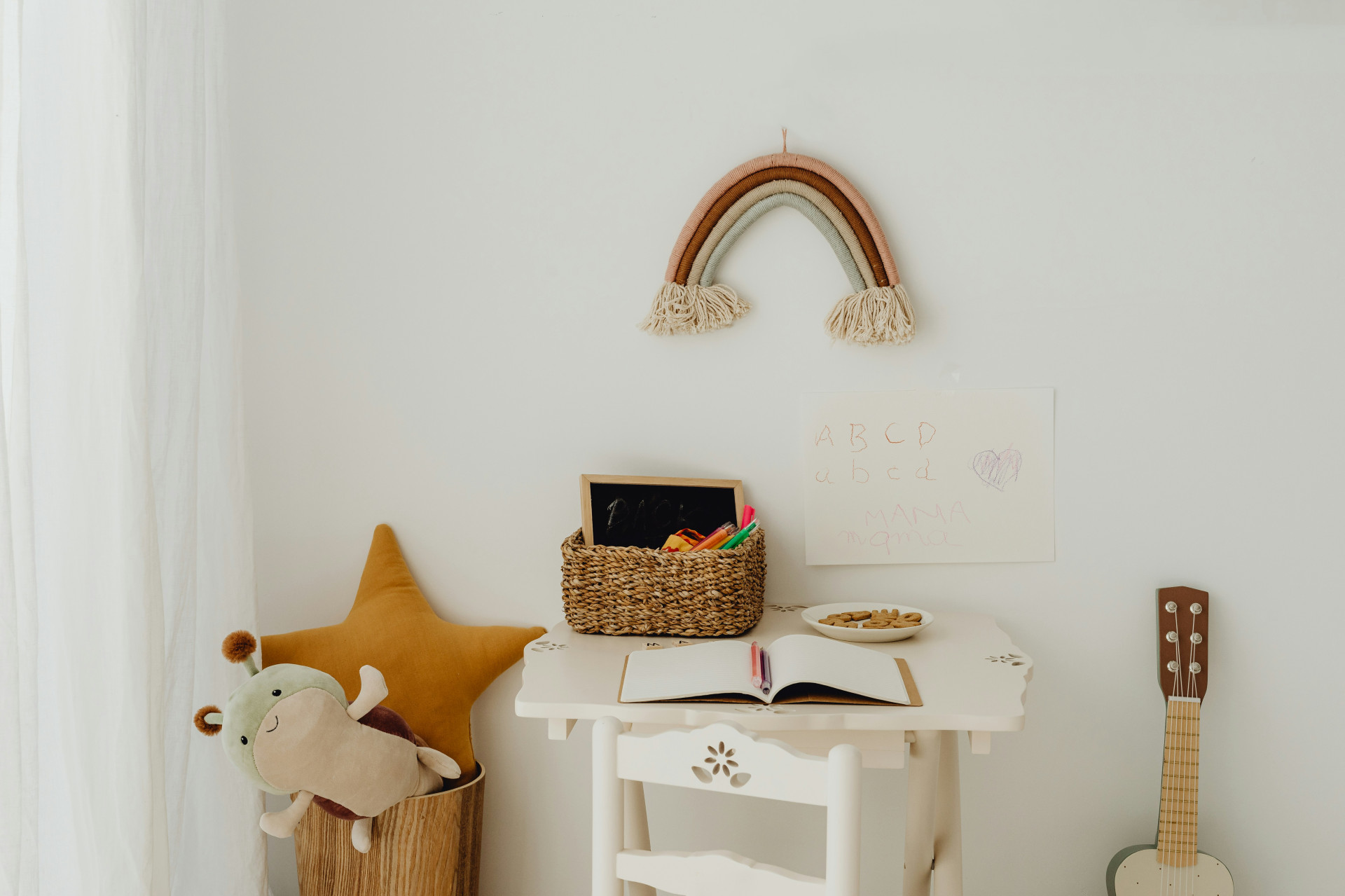
Creativity thrives where kids feel free to try things out—even if it gets a little messy. A corner of the living room, a spot at the kitchen table, or a small area in the garage can become a haven for imagination. Cover the table with an old tablecloth, use oversized T-shirts as smocks, and keep a bin for recyclable materials like cardboard, fabric scraps, and boxes.
When children know they don’t have to worry about spilling paint or cutting unevenly, they’re more likely to take risks and think outside the box. It’s often in those imperfect moments that creativity truly blossoms.
Materials That Spark Imagination
You don’t need expensive art supplies to inspire creativity. Often, the most exciting materials are the ones already at home.
- Cardboard and paper tubes – can become anything from rocket ships to puppet theaters.
- Fabric scraps and yarn – invite kids to explore textures and colors.
- Natural materials – stones, sticks, and leaves can be used in collages or as inspiration for sculptures.
- Paints and colors – let kids mix their own shades and discover how colors change when combined.
By letting children choose their own materials, you encourage decision-making and self-expression—key parts of the creative process.
Focus on the Process, Not the Product
It’s easy for adults to focus on how the finished artwork looks. But for kids, creativity is about the experience itself. When they paint, build, or sculpt, they’re exploring how things work and how they can express their ideas.
So, instead of only praising the final result, celebrate the effort and curiosity: “I love how you tried mixing those colors!” or “Tell me how you came up with that idea.” This kind of encouragement builds confidence and keeps their creative spirit alive.
Læs også:
Freedom with a Touch of Structure
While free play is essential, a little structure can help kids get started. You might suggest a theme—“create your own imaginary animal” or “make a picture of your favorite sound”—and then let them interpret it however they like. It provides a framework but still leaves plenty of room for creativity.
For younger children, it can help to set out materials in small portions, while older kids often enjoy having access to a full “studio” where they can choose what to use.
Make Creativity Part of Everyday Life
Creativity doesn’t have to be a special weekend project. It can be part of daily life—drawing while dinner cooks, building with boxes after a delivery, or collecting leaves on a walk to turn into art at home.
When kids see that experimenting and imagining are welcome anytime, creativity becomes a natural habit rather than an occasional activity.
A Shared Space for Kids and Adults
Creating together can also strengthen the bond between children and adults. Sitting side by side to paint, cut, or build invites calm and connection. Conversations flow more easily, and you get a glimpse into your child’s thoughts and ideas.
So next time you hesitate to pull out the paints, remember: it’s not just about making something pretty—it’s about giving space for imagination, focus, and shared moments that matter.
Læs også: