A Safe Environment for Children: How to Create Joy and Calm

A Safe Environment for Children: How to Create Joy and Calm
A safe environment for children is about more than cozy blankets and cheerful colors—it’s about creating a space where kids feel seen, heard, and secure. When children experience calm and stability, they’re better able to explore, play freely, and grow emotionally and socially. Here’s how you can build a home and daily rhythm that nurture both joy and peace for the whole family.
Build Structure and Predictability
Children thrive when they know what to expect. A consistent routine provides comfort and helps them feel in control of their world. This doesn’t mean every minute must be scheduled, but that there’s a clear rhythm to the day.
- Morning routines help set a peaceful tone—getting up with enough time, eating breakfast together, and having simple responsibilities can make mornings smoother.
- Evening routines with bath time, brushing teeth, and reading together signal that the day is winding down.
- Weekly traditions like Friday movie night or a Sunday walk give children something to look forward to and strengthen family bonds.
When kids know the rhythm of their days, they have more energy for play, learning, and connection.
Create a Calming Space
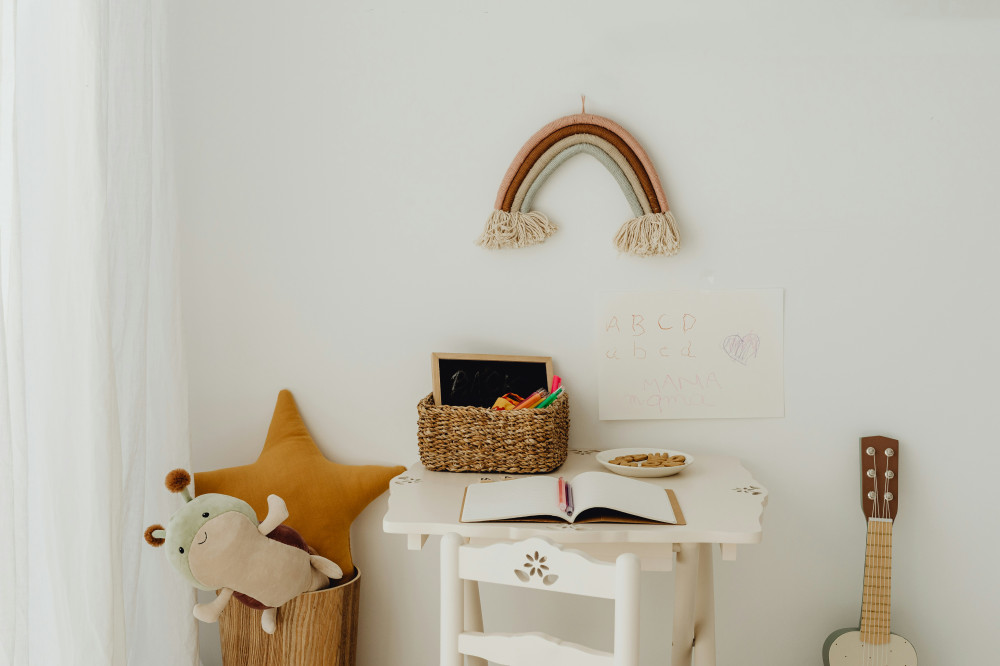
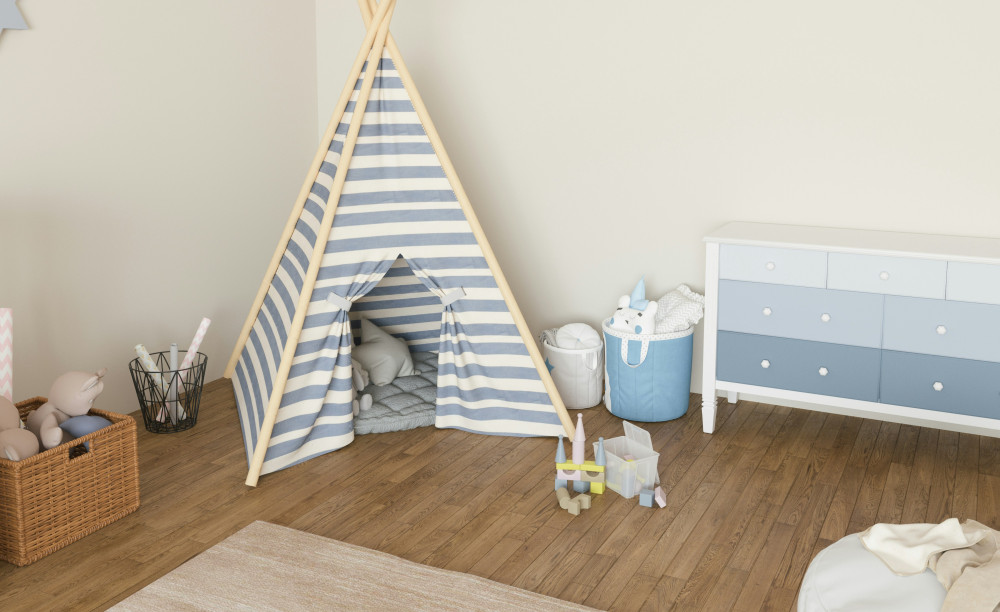
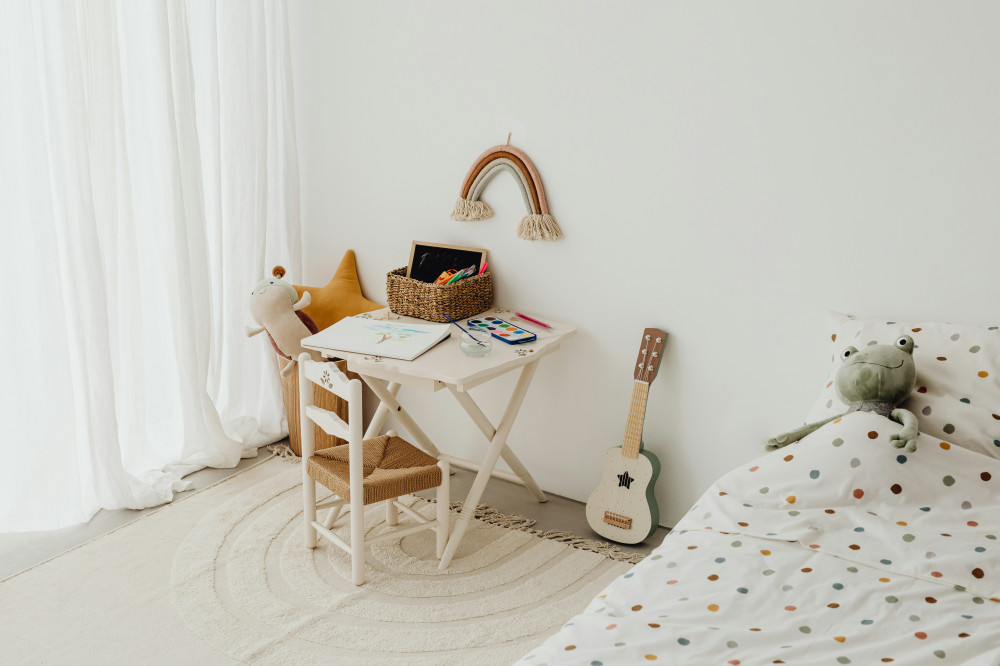
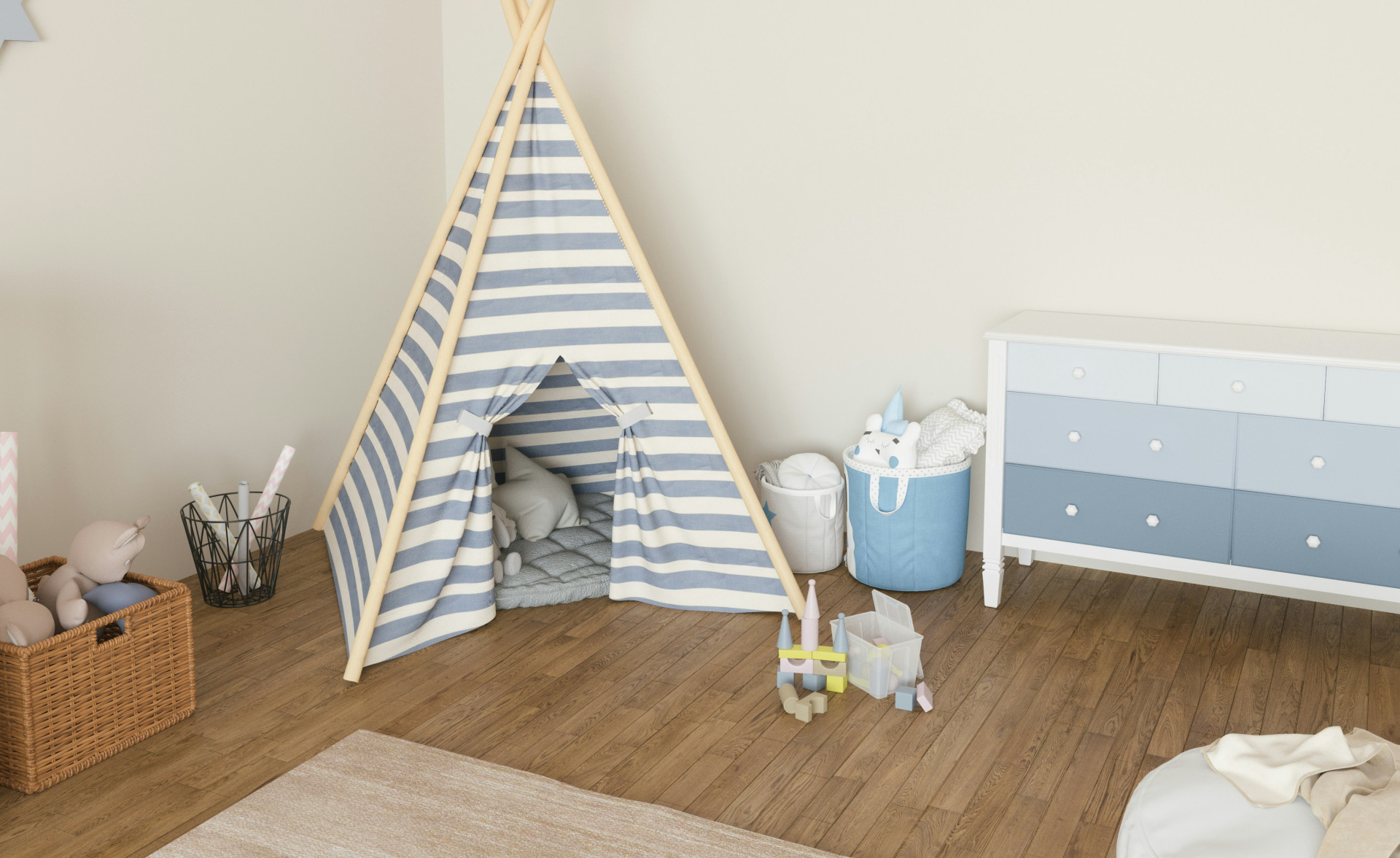
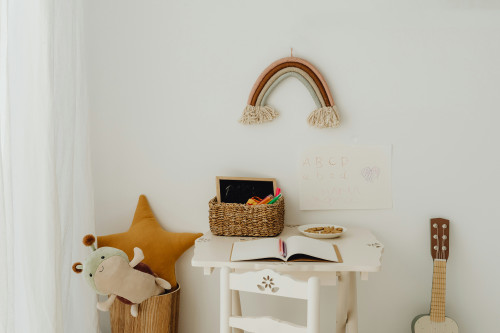
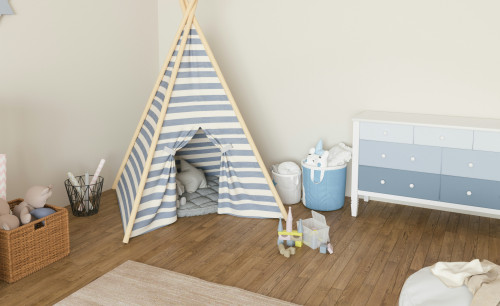
A child’s room is their base—a place to play, rest, and feel at home. The way you design it can have a big impact on their sense of calm.
- Colors matter. Soft tones like green, blue, or beige tend to soothe, while bright colors can be used in small touches to add energy.
- Lighting is key. Make sure there’s plenty of natural light during the day and warm, gentle lighting in the evening.
- Storage helps keep things organized. When toys and clothes have their own places, it’s easier for kids to tidy up—and that sense of order brings peace of mind.
A calm space doesn’t have to be perfect or minimalistic. What matters most is that your child feels it’s their space—filled with personality, imagination, and comfort.
Læs også:

Encourage Play and Movement
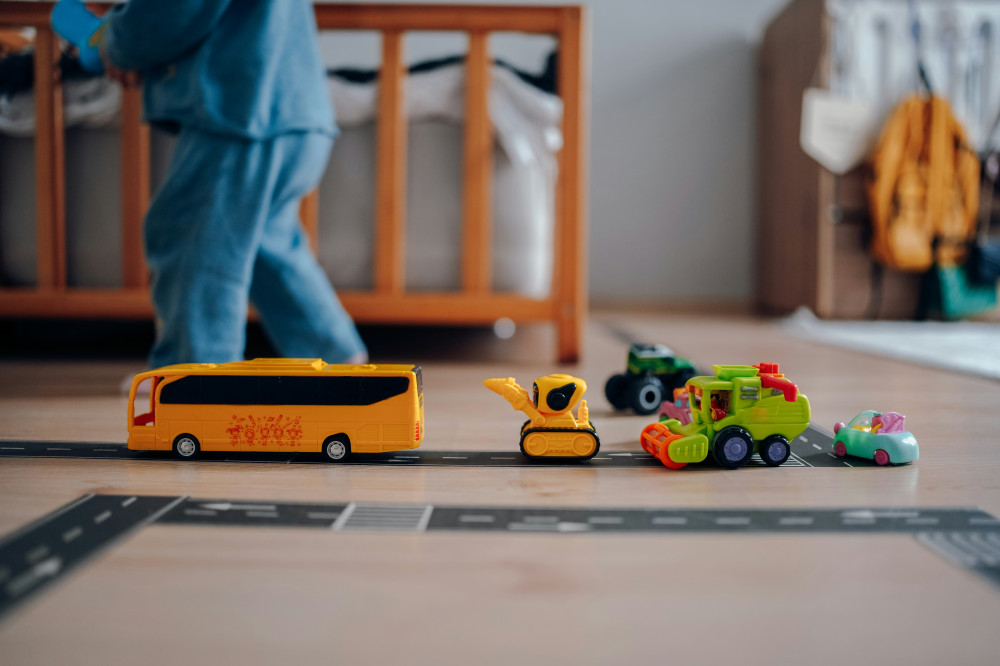
Play is how children make sense of the world. A safe environment gives them room for both free play and shared activities. Make sure there’s space to build, draw, dance, and explore—indoors and outdoors.
- Indoor play can be supported with flexible furniture and creative materials like blocks, art supplies, or dress-up clothes.
- Outdoor play offers fresh air and movement. Trips to the park, backyard games, or nature walks boost both mood and motor skills.
- Cooperative play teaches kids to share, take turns, and solve conflicts—important social skills that build confidence and trust.
When children are free to play, they develop independence, creativity, and the joy of mastering new things.
Foster Presence and Connection
A safe environment is also built through relationships. Children quickly sense when adults are truly present—and when they’re not. Small moments of attention can make a big difference.
- Listen when your child talks, even if the topic seems small.
- Set aside time for shared activities without screens—like cooking, board games, or reading together.
- Show interest in your child’s feelings and help them put words to their emotions.
When children feel understood and valued, their trust grows—both in themselves and in the world around them.
Handle Conflicts with Calm
Conflicts are a natural part of family life, but how they’re handled shapes a child’s sense of safety. Try to stay calm, even when emotions run high.
- Speak in a steady tone and avoid raising your voice.
- Help your child understand what happened and how things can be done differently next time.
- Show that mistakes are part of learning—for both kids and adults.
When conflicts are resolved with patience and respect, children learn that it’s safe to express themselves and that relationships can be repaired.
A Home Filled with Joy and Peace
Creating a safe environment for children doesn’t happen overnight. It’s the result of many small, consistent actions—steady routines, kind words, shared time, and space for play. When children feel loved and accepted just as they are, joy and calm naturally follow.
A home that welcomes laughter, tears, and quiet moments alike becomes a place where children flourish—and where the whole family can find balance and peace in everyday life.
Læs også: