Storage That Encourages a Child’s Independence

Storage That Encourages a Child’s Independence
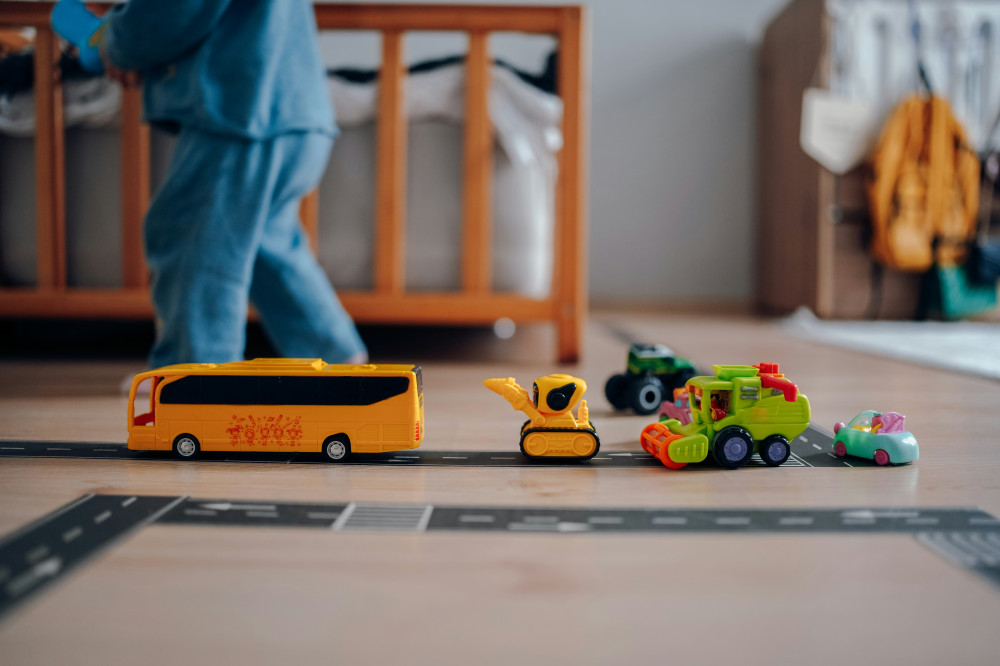
A child’s room is more than a place to sleep and play – it’s their first little world, where they learn responsibility, organization, and self-expression. The way you design and organize this space can have a big impact on how independent your child becomes in everyday life. With the right storage solutions, you can make it easy for your child to take initiative, tidy up, and find their belongings – without constant help from adults.
Create Visibility with Low and Accessible Storage
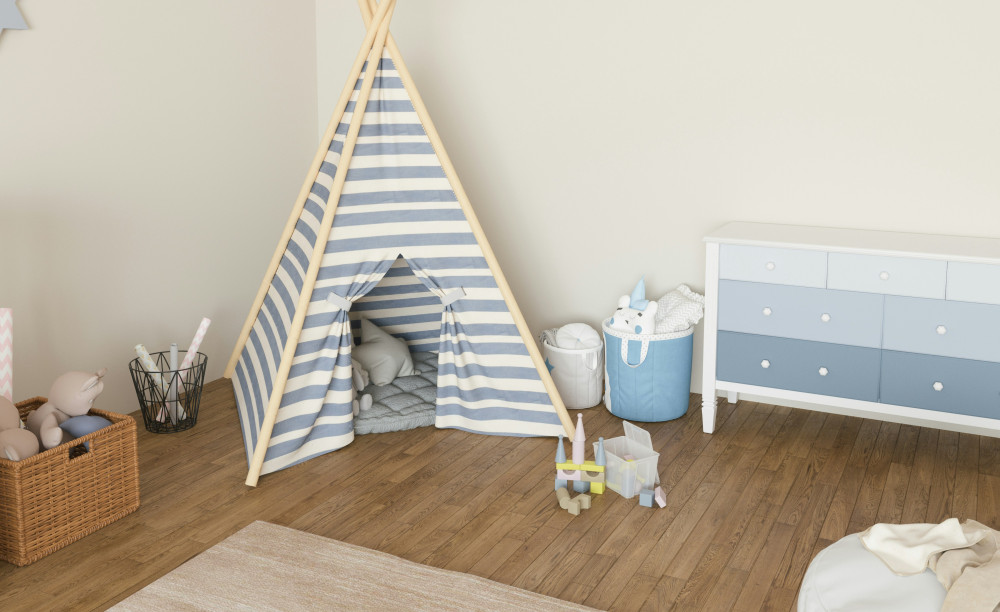
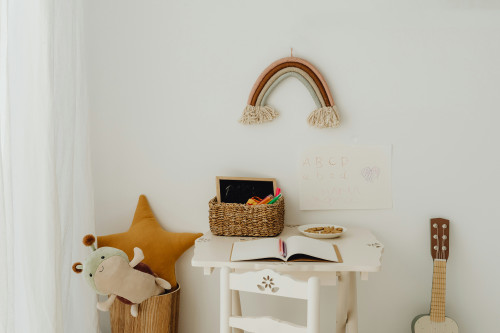
Children learn best when they can see and reach their things. That’s why it’s smart to choose storage solutions at their height. Low shelves, open bins, and clear containers make it easier for kids to find what they’re looking for – and to put it back again.
- Open shelves and bins provide a clear overview and make cleanup a manageable task.
- Baskets with pictures or labels help younger children remember where things belong.
- Drawers with easy-to-grip handles allow kids to pick out and put away their clothes on their own.
When children experience that they can handle small tasks independently, their confidence and sense of responsibility grow.
Involve Your Child in the Setup
Independence also comes from ownership. When children get to help decide how their room is organized, they’re more motivated to keep it tidy. Ask which colors or bins they like best, and let them help sort toys or choose where books should go.
It doesn’t have to be perfect – what matters most is that the child feels the room is theirs. When they’ve been part of the process, they’re more likely to take pride in maintaining it.
Læs også:
Make Cleanup Part of the Fun
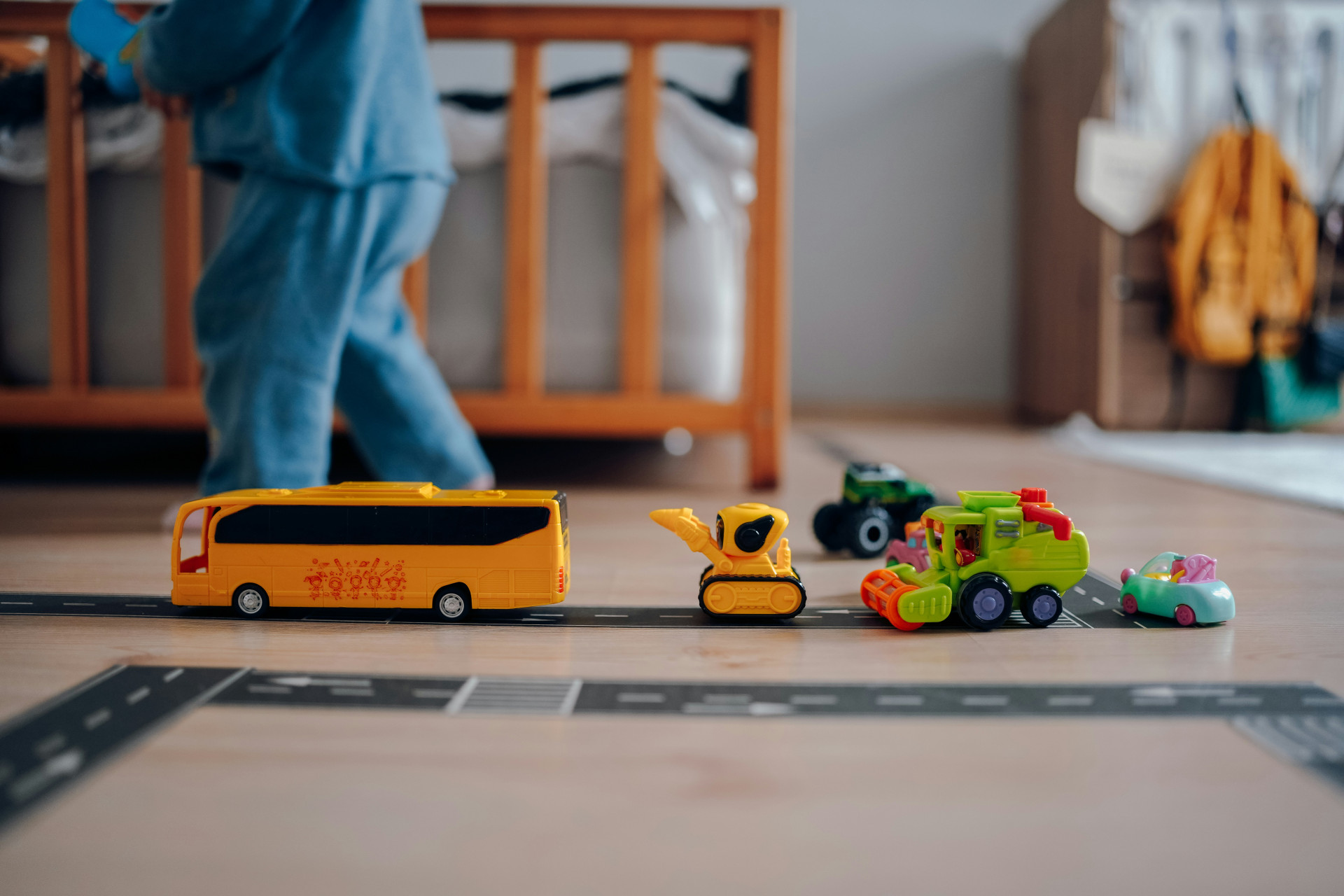
For many kids, cleaning up feels like a chore. But with a little creativity, it can become a natural and even fun part of the day. You can, for example:
- Set a timer and turn cleanup into a “five-minute challenge.”
- Play upbeat music to make tidying feel lively and energetic.
- Turn it into a game – who can find the most blocks or put away stuffed animals the fastest?
When cleanup feels like play, children learn that keeping things in order doesn’t have to be boring.
Think Flexibly – Kids Grow Fast
A toddler’s needs are very different from those of a grade-schooler. That’s why it’s wise to choose storage that can adapt over time. Modular shelves, movable bins, and adjustable units can evolve as your child grows and their interests change.
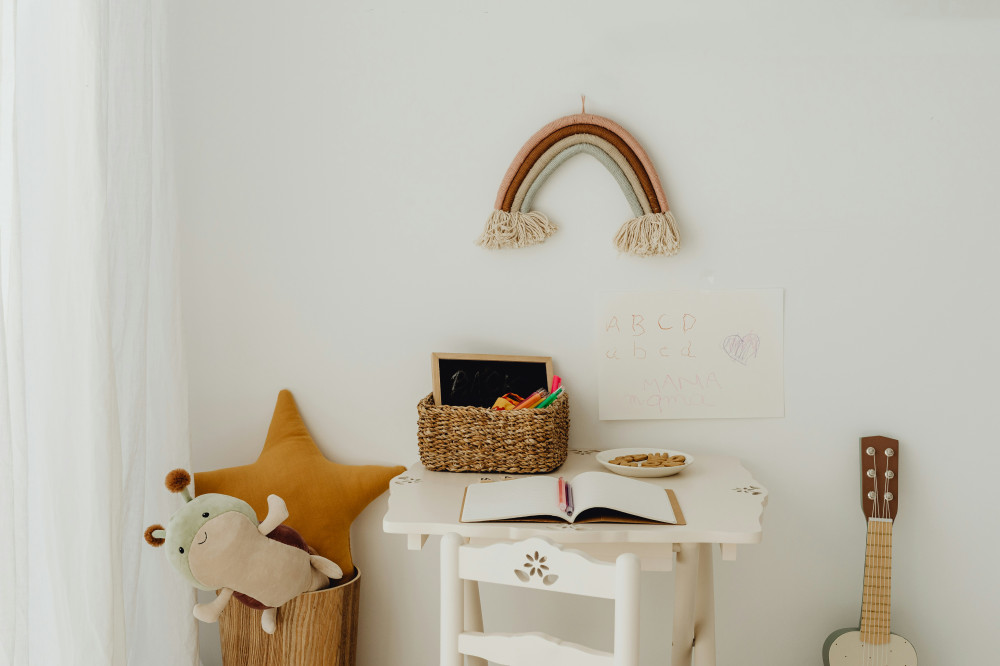
It can also be helpful to have a “display zone” – a spot where your child can show off drawings, collections, or favorite toys. This gives them a chance to express themselves while practicing decision-making and organization.
Create Calm with Zones and Structure
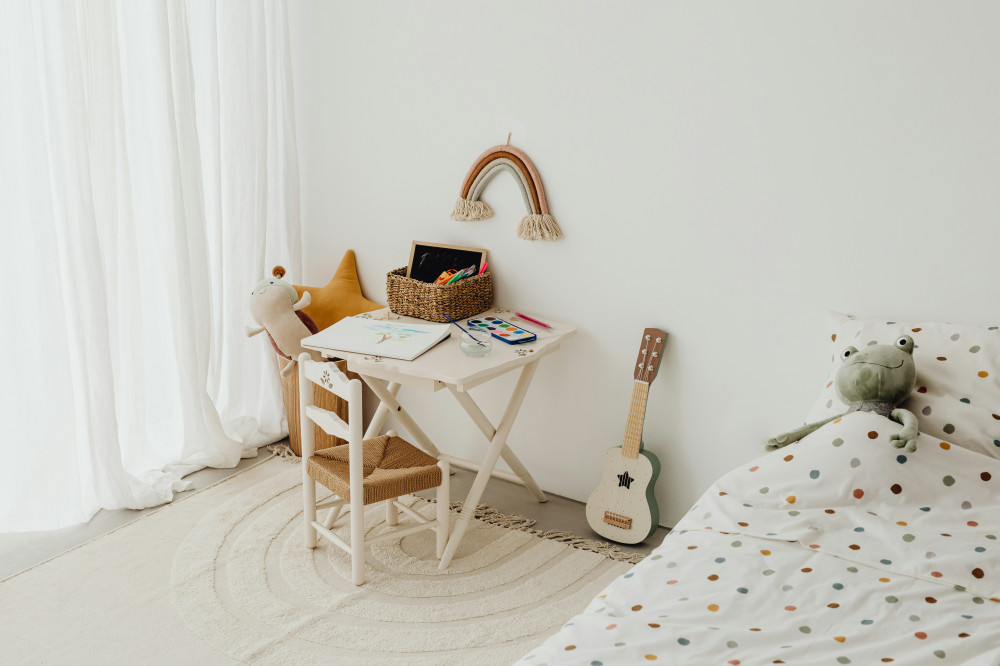
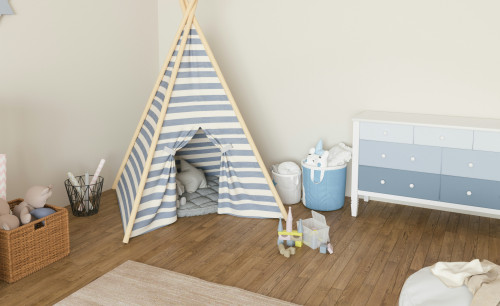
A tidy room helps children focus and feel at ease. Divide the space into zones – for example, a play area, a cozy reading nook, and a section for clothes and practical items. When everything has its place, it’s easier for kids to understand where things belong.
Use colors or materials to mark different areas. A blue bin for building blocks, a fabric basket for stuffed animals, and a small bookshelf for stories can make the room’s layout clear and inviting.
Small Steps Toward Big Independence
Learning to stay organized takes time. The key is to create an environment that makes it possible for your child to practice – without pressure. When children are given small responsibilities, their ability to manage more on their own naturally grows.
Storage isn’t just about aesthetics or practicality – it’s about giving your child the tools to become self-reliant. A well-organized room is a space where they can explore freely while learning that order and independence can go hand in hand.
Læs også: