The Right Kitchen Floor: How to Find the Balance Between Function and Style

The Right Kitchen Floor: How to Find the Balance Between Function and Style
The kitchen is the heart of the home — a place where meals are made, conversations happen, and life unfolds. That’s why your kitchen floor needs to handle a lot: spills, heavy pots, kids running around, and daily wear and tear. At the same time, it plays a major role in the look and feel of the space. Choosing the right kitchen floor is all about finding the balance between practicality and design. Here’s how to pick a floor that fits both your lifestyle and your aesthetic.
Think Practical — But Don’t Forget Comfort
A kitchen floor should be durable, easy to clean, and comfortable underfoot. Between water splashes, grease, and crumbs, the material needs to stand up to moisture and frequent cleaning. But since you’ll spend plenty of time standing while cooking or prepping, comfort matters too.
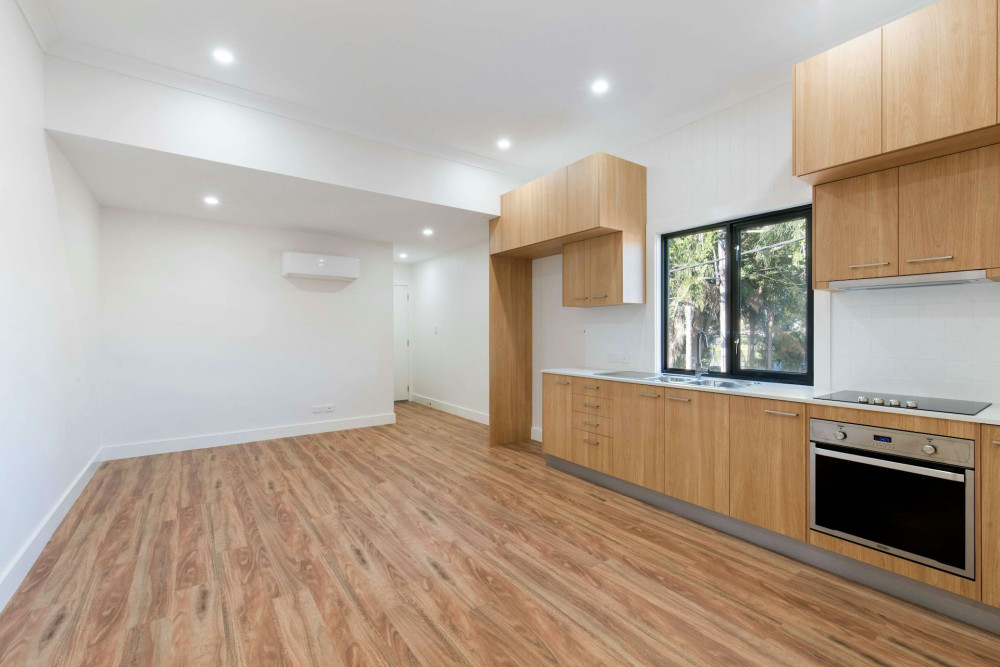
- Vinyl and luxury vinyl tile (LVT) are popular for their resilience, softness, and easy maintenance. They come in countless colors and patterns, and modern versions can convincingly mimic wood, stone, or ceramic.
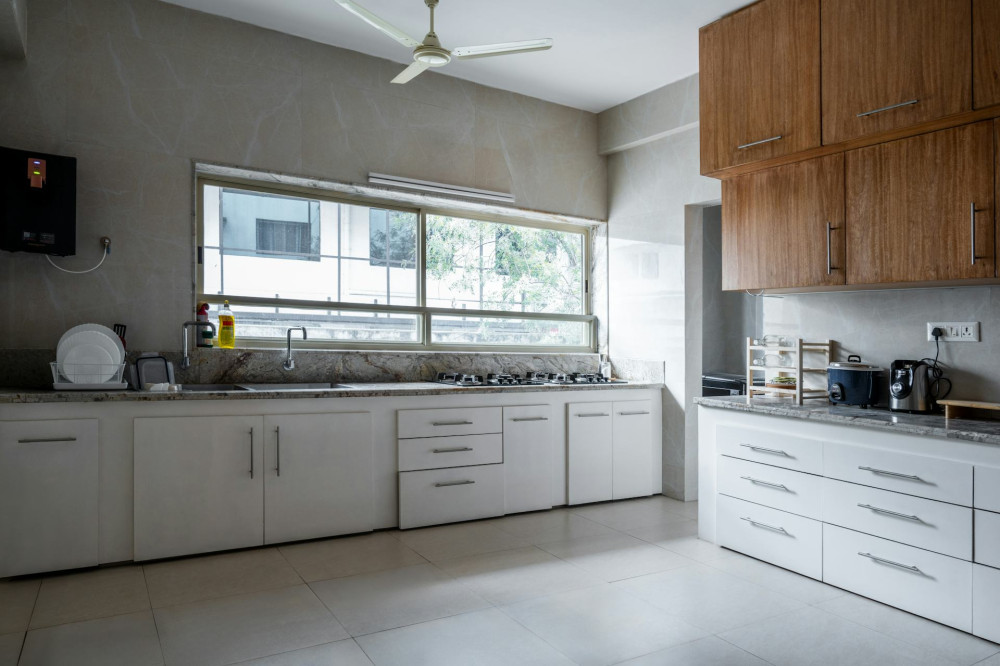
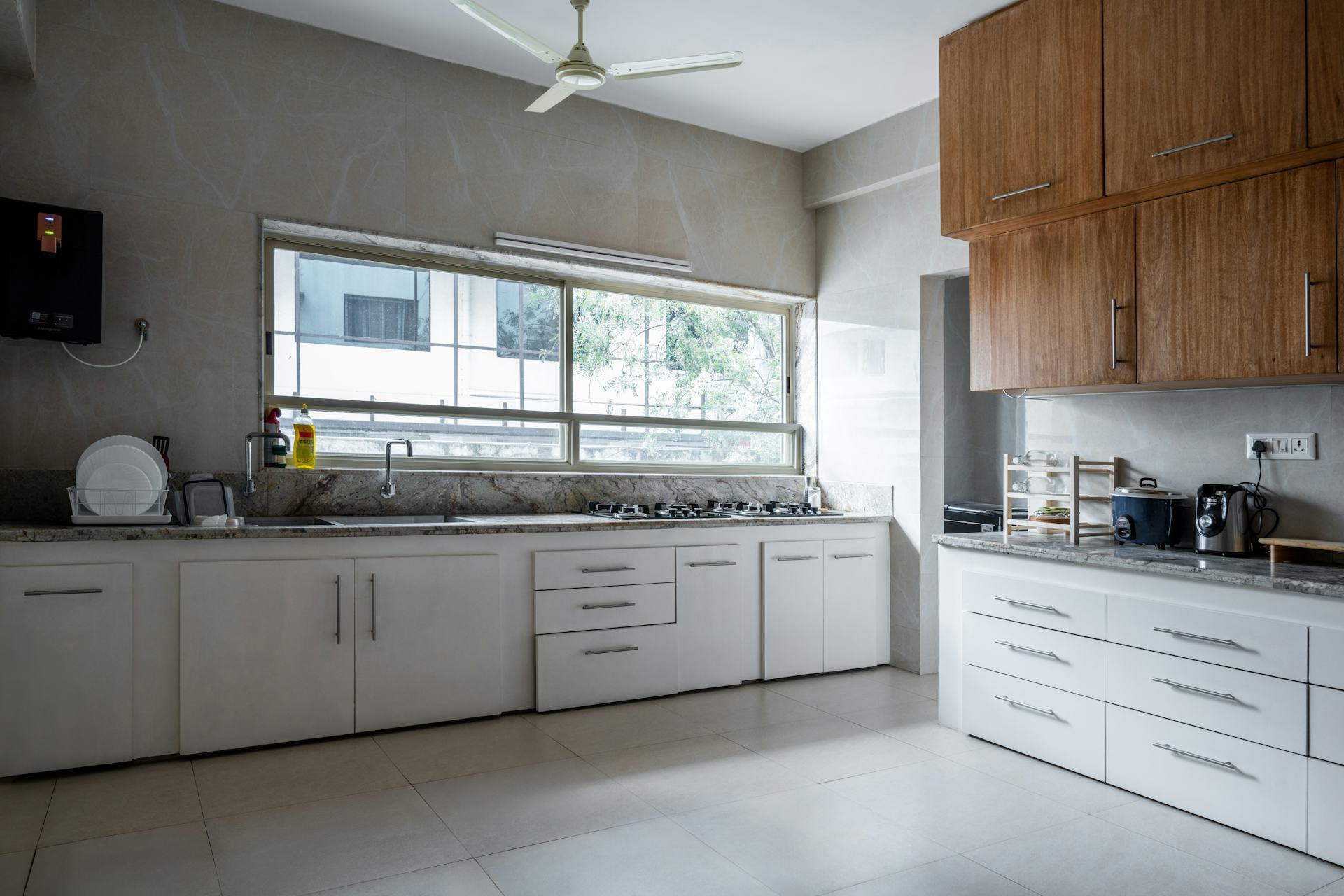
- Tile is extremely durable and water-resistant, making it ideal for busy kitchens. However, it can feel hard and cold — especially in cooler climates or on concrete slabs. Consider adding radiant floor heating for extra comfort.
- Hardwood brings warmth and timeless beauty, but it requires more care. Opt for harder species like oak or maple, and choose a finish that offers moisture protection. Engineered hardwood is a good compromise for added stability in humid environments.
Style and Cohesion — Set the Tone for Your Space
Your kitchen floor covers a large area, so it has a big impact on the overall design. Think about how it complements your cabinets, countertops, and adjoining rooms.
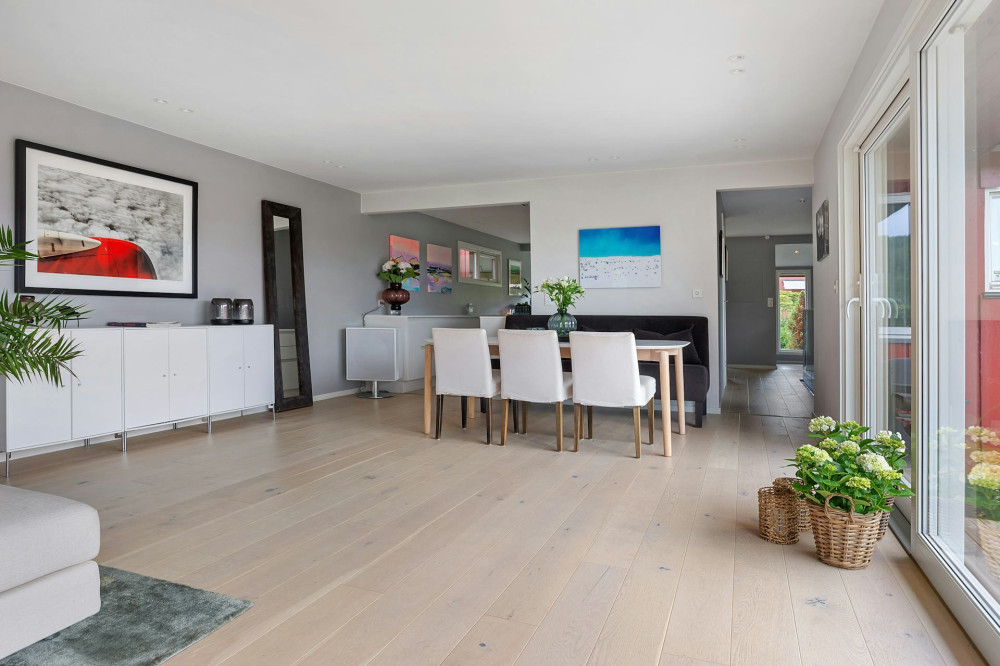
Light-colored floors can make a kitchen feel larger and more open, while darker tones add depth and contrast. If you have an open-concept layout, consider continuing the same flooring into the living or dining area for a seamless look, or choose a coordinating tone that ties the spaces together.
Texture and pattern also matter. A smooth, uniform surface creates a calm, modern feel, while a textured or patterned floor adds character and visual interest. The key is to find a balance that fits your personal style and the function of the room.
Maintenance — Plan for the Long Term
A beautiful floor should also be easy to keep that way. Think about how much time you’re willing to spend on upkeep. Tile requires little maintenance, though grout lines may need occasional cleaning. Hardwood floors need periodic refinishing or sealing, while vinyl and laminate only require regular sweeping and mopping with mild cleaners.
If you have kids or pets, durability and stain resistance should be top priorities. For smaller households or those who love a high-end look, a more delicate material can work — as long as you’re prepared to care for it properly.
Comfort and Acoustics — The Overlooked Factors
When choosing a kitchen floor, it’s not just about looks and durability. Comfort and sound absorption make a big difference in daily life. Hard surfaces like tile can be tough on your feet and legs after long periods of standing, while softer materials like vinyl, cork, or rubber help cushion impact and reduce noise.
If you prefer a hard surface, consider adding anti-fatigue mats in front of the sink or stove. They can make cooking and cleaning much more comfortable.
Læs også:

Sustainability and Indoor Air Quality
More homeowners are now looking for eco-friendly flooring options. Linoleum, made from natural materials like linseed oil and wood flour, is both durable and biodegradable. Cork is another sustainable choice that’s soft, warm, and renewable. For wood floors, look for products certified by the Forest Stewardship Council (FSC) to ensure responsible sourcing.
Avoid materials with high levels of PVC or harmful chemicals, and choose low-VOC (volatile organic compound) finishes and adhesives. This helps maintain a healthier indoor environment — especially important in a space where you prepare food.
Finding the Right Balance
There’s no single “perfect” kitchen floor — the right choice depends on your needs, taste, and budget. Start by identifying your top priorities: Is it appearance, comfort, easy maintenance, or cost? Once you know what matters most, the decision becomes much clearer.
A great kitchen floor should stand up to everyday life while enhancing the beauty of your home. When function and style come together, you create a space that’s both practical and inviting — a kitchen you’ll love for years to come.
Læs også: