Industrial Look with Designer Floors – How to Create the Style at Home

Industrial Look with Designer Floors – How to Create the Style at Home
The industrial look has become a favorite in modern American home design. Inspired by old factories, warehouses, and loft spaces, this style blends raw materials, clean lines, and a touch of urban sophistication. But how do you bring that distinctive atmosphere into your own home—without making it feel cold or impersonal? One of the best ways to start is from the ground up: with the floor. Designer floors make it easy to achieve the industrial aesthetic in a practical and stylish way.
What Defines the Industrial Look?
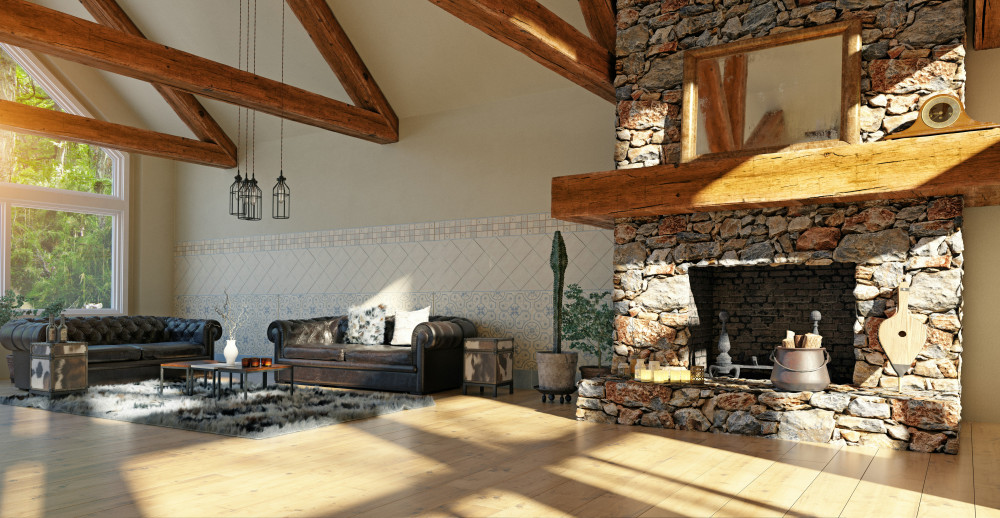
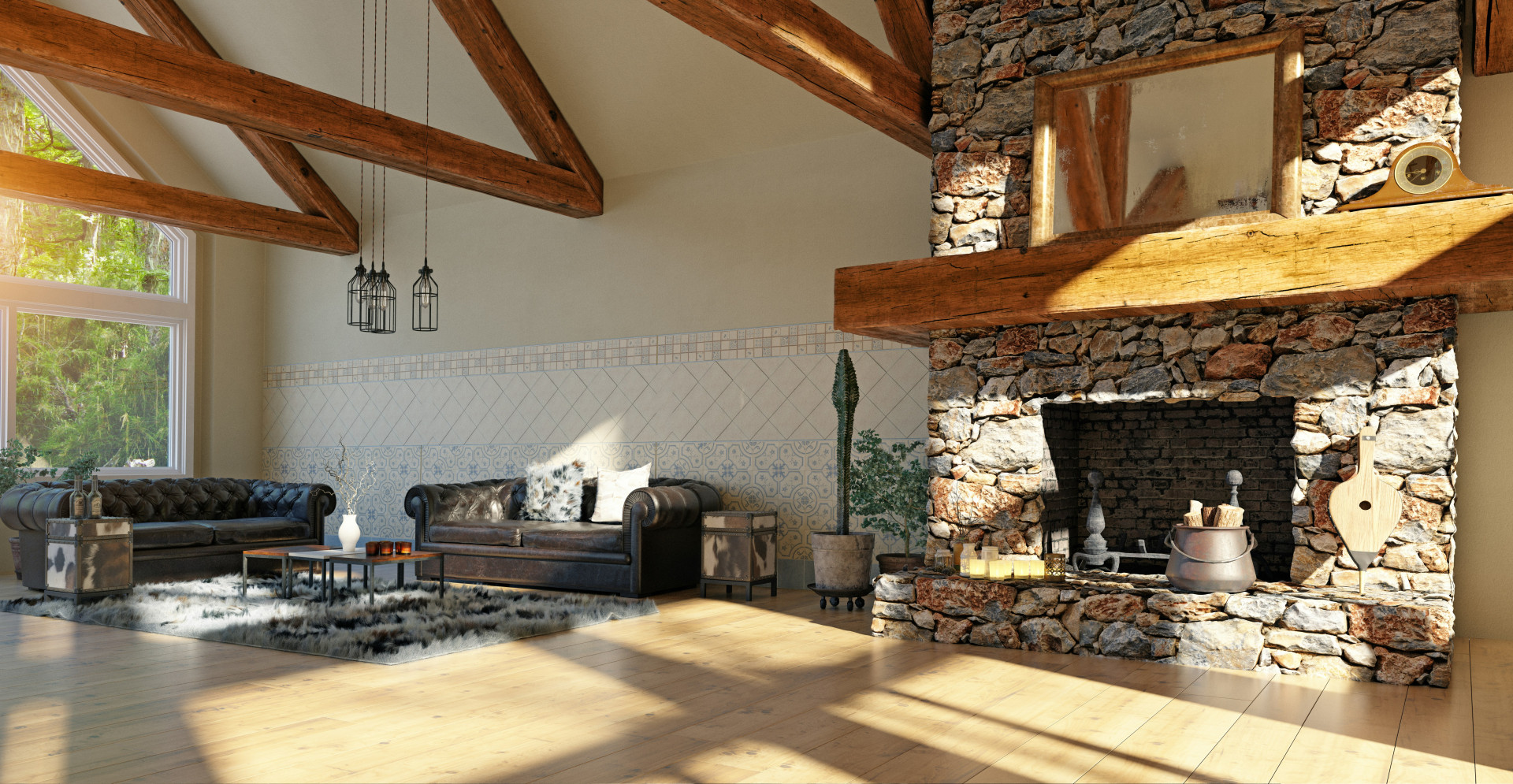
The industrial style celebrates the beauty of honest materials. Concrete, steel, wood, and brick are left exposed, showing their natural textures and imperfections. The color palette is typically neutral—grays, blacks, browns, and whites—balanced with warm tones from wood or leather. Furniture tends to be functional and sturdy, while lighting plays a key role with metal or glass fixtures that evoke a workshop or factory vibe.
This look works well in both urban apartments and suburban homes because it can be adapted to different levels of intensity. You can go all in with exposed brick and visible pipes, or simply introduce a few industrial elements—like the flooring—to set the tone.
Læs også:
Designer Floors as the Foundation of the Style
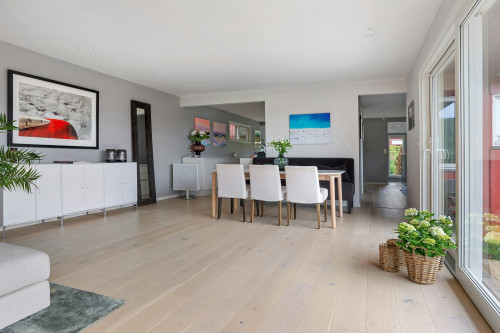
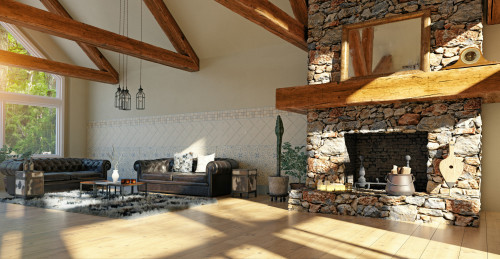
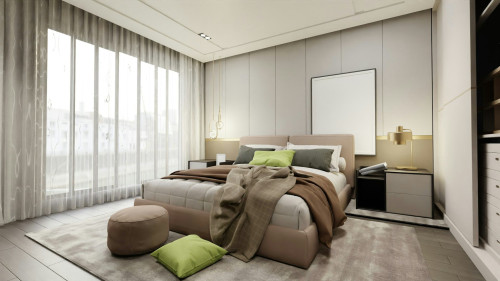
The floor sets the mood for the entire space. Designer floors, such as luxury vinyl or laminate with concrete or metal effects, allow you to capture the industrial look without sacrificing comfort or easy maintenance. They’re durable, simple to clean, and available in a wide range of finishes that convincingly mimic real materials.
- Concrete-look floors – create a raw, urban feel that’s perfect for kitchens, living rooms, or entryways.
- Metal-look floors – add a sleek, modern edge that pairs beautifully with minimalist interiors.
- Dark wood-look floors – bring warmth and balance to an industrial setting.
Designer floors can be installed throughout the home to create a cohesive flow from room to room.
How to Combine Materials and Colors
To keep the industrial look from feeling too stark, it’s important to add contrast. Pair rough surfaces with soft textures, greenery, and warm accents in pillows, rugs, or wall art.
For example, a gray concrete-look floor can come to life with natural wood furniture and leather seating. If you choose a darker floor, brighten the space with white or light-colored walls and plenty of natural light.
Small details—like exposed bulbs, metal shelving, or a vintage factory lamp—can complete the look without requiring major renovations.
Practical Benefits of Designer Floors
Beyond their visual appeal, designer floors offer several practical advantages that make them ideal for modern living:
- Low maintenance – easy to clean with just mild soap and water.
- High durability – stands up to daily wear, even in high-traffic areas.
- Comfort – many designer floors have a soft underfoot feel and can be paired with radiant heating.
- Sound absorption – helps reduce noise and create a more comfortable acoustic environment.
These features make designer floors a smart choice for anyone who wants a stylish yet functional home.
Completing the Look with Lighting and Furniture
Once the floor is in place, build on the atmosphere with the right lighting and furnishings. Choose metal or black-finished fixtures, and don’t be afraid to use exposed bulbs to emphasize the industrial vibe. Furniture made from reclaimed wood, iron, or leather fits perfectly, and vintage or thrifted pieces can add personality and authenticity.
Keep the layout simple and uncluttered—the industrial style thrives on open space and clean lines. Let the materials and textures speak for themselves.
A Modern Look with Character
The industrial look is more than just a design trend—it’s a timeless style that combines aesthetics and functionality. With designer floors as your foundation, you can create a home that feels modern, durable, and inviting.
Whether you live in a downtown loft or a suburban house, a few thoughtful choices can bring that urban edge indoors—and give your home a distinctive character that stands out.
Læs også: