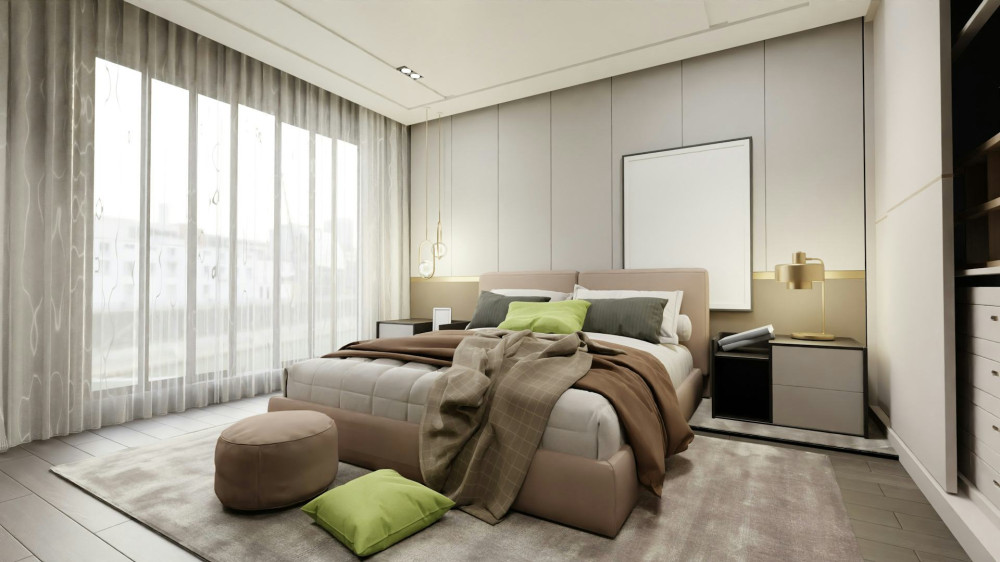
Linoleum and Sustainable Solutions in Beautiful Combination


Linoleum and Sustainable Solutions in Beautiful Combination
For decades, linoleum was seen as a practical but uninspiring flooring choice—something you might find in schools or hospitals rather than stylish homes. Today, however, this natural material is making a strong comeback. As Americans increasingly seek sustainable, healthy, and design-forward options for their interiors, linoleum stands out as a timeless solution that combines beauty, durability, and environmental responsibility.
A Natural Material with a Long History
Linoleum was invented in the mid-19th century and quickly became known for its resilience and longevity. Made from natural ingredients such as linseed oil, pine resin, limestone, wood flour, and jute, it is both biodegradable and low in carbon emissions during production. In an era dominated by vinyl and other synthetic flooring materials, linoleum offers a refreshing return to nature.
Because it contains no plasticizers or harmful chemicals, linoleum does not emit volatile organic compounds (VOCs) or microplastics. This makes it a healthy choice for indoor air quality—an important consideration for families, schools, and workplaces alike. Choosing linoleum is not only a practical decision but also an ethical one.
Sustainability in Practice
Sustainability is about more than just what a product is made of—it’s also about how long it lasts and how it can be maintained. Linoleum is renowned for its durability, often lasting 30 years or more with proper care. It requires only simple cleaning routines, reducing the need for harsh chemicals and minimizing waste over time.
Many manufacturers now embrace circular production methods, reusing leftover materials to create new flooring. Linoleum’s natural surface is also antibacterial and antistatic, which helps maintain cleanliness without excessive maintenance. From production to disposal, linoleum exemplifies sustainability in action.
Design and Aesthetic Versatility
Forget the dull, institutional floors of the past. Modern linoleum comes in a wide range of colors, patterns, and finishes that can complement any interior style—from sleek contemporary spaces to cozy vintage-inspired homes. Designers can cut and combine linoleum in creative ways, forming unique patterns that add personality and warmth to a room.
Its matte surface gives a soft, natural look and a comfortable feel underfoot. Linoleum also absorbs sound, contributing to a calm and pleasant indoor environment. For architects and interior designers, it’s a material that beautifully balances function and form.
Linoleum in Homes and Public Spaces
While linoleum has long been a staple in public buildings, it’s now gaining popularity in American homes. It’s especially well-suited for kitchens, entryways, and playrooms—areas that demand both durability and easy maintenance. Its resilience against wear and tear makes it ideal for busy households.
In commercial and institutional settings, linoleum remains a smart choice. It withstands heavy foot traffic while maintaining its appearance for decades. For businesses, schools, and healthcare facilities aiming to meet sustainability goals, linoleum offers a practical and responsible flooring solution.
Læs også:

A Choice for the Future
Choosing linoleum means choosing a material that respects both people and the planet. It’s a proven product with more than a century of history, yet it aligns perfectly with the modern movement toward sustainable building and design.
As Americans look for ways to reduce their environmental footprint without sacrificing style, linoleum provides a tangible and elegant answer. It demonstrates that sustainability and design excellence can coexist—beautifully, naturally, and for the long term.
Læs også: