The Heat Pump in Everyday Life: How to Get the Most Out of It

The Heat Pump in Everyday Life: How to Get the Most Out of It
A heat pump can be one of the most efficient and environmentally friendly ways to heat and cool your home. Instead of generating heat, it moves energy from one place to another—using the warmth in the air, ground, or water around your house. This process can deliver three to five times more heating or cooling energy than the electricity it consumes. But to get the most out of your heat pump, you need to use and maintain it properly. Here’s a practical guide for American homeowners on how to make your heat pump work at its best every day.
Understand Your Heat Pump – and Its Strengths
There are several types of heat pumps, each suited to different homes and climates:
- Air-source heat pump: The most common type, it extracts heat from the outdoor air and transfers it indoors. It can also reverse the process to provide cooling in summer. Modern models work efficiently even in colder climates.
- Ground-source (geothermal) heat pump: Uses the stable temperature of the ground to heat and cool your home. It’s highly efficient but requires space for underground loops and a higher upfront investment.
- Ductless mini-split system: Ideal for homes without ductwork or for adding heating and cooling to specific rooms. Each indoor unit can be controlled separately for customized comfort.
No matter the type, the principle is the same: the heat pump moves energy instead of producing it. That’s what makes it so efficient and cost-effective over time.
Set the Right Temperature
Heat pumps perform best when they maintain a steady temperature. Constantly turning the thermostat up and down forces the system to work harder and use more energy. Aim for a consistent indoor temperature—around 68–70°F in winter—and avoid large fluctuations.
If your system includes a programmable or smart thermostat, use it to schedule temperature changes that match your daily routine. For example, you can lower the temperature slightly when you’re away and have it warm up again before you return home.
Keep Air Flowing Freely
Good air circulation is essential for efficient operation. Make sure furniture, curtains, or other objects don’t block vents or indoor units. For ductless systems, keep the area around the indoor heads clear so air can move freely throughout the room.
Outside, check the outdoor unit regularly. Remove leaves, snow, or debris, and keep at least two feet of clearance around it. This ensures proper airflow and helps the system run smoothly year-round.
Maintain It Regularly
A heat pump doesn’t require much maintenance, but a few simple habits can make a big difference in performance and longevity:
- Clean or replace filters every month or two, especially during heavy use. Dirty filters restrict airflow and reduce efficiency.
- Inspect the outdoor unit a few times a year for dirt, ice, or obstructions.
- Schedule professional service at least once a year. A qualified technician can check refrigerant levels, test components, and ensure the system is operating at peak efficiency.
With proper care, a heat pump can last 15–20 years and provide reliable comfort through every season.
Combine It with Good Insulation
Even the best heat pump can’t overcome poor insulation. If your home leaks heat through walls, windows, or the attic, the system will have to work harder—and your energy bills will rise. Consider improving insulation, sealing air leaks, and upgrading to energy-efficient windows. These improvements not only enhance comfort but also maximize your heat pump’s performance.
Take Advantage of Smart Energy Use
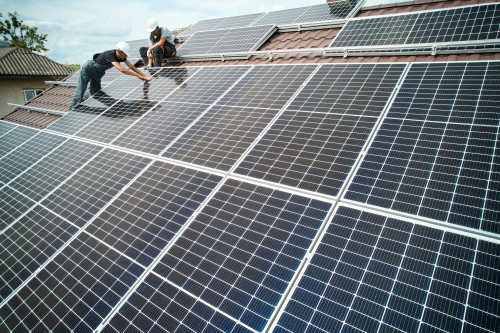
Many modern heat pumps can connect to smart home systems or time-of-use electricity rates. This allows them to run more when electricity is cheaper or cleaner—often at night or during periods of high renewable energy production. If you have solar panels, you can also schedule your heat pump to operate when your panels are generating power, increasing your self-sufficiency and reducing your carbon footprint.
Læs også:

Enjoy Year-Round Comfort
One of the biggest advantages of a heat pump is that it provides both heating and cooling. In summer, it works like an air conditioner, removing heat from your home. To stay comfortable and efficient, set your cooling temperature just a few degrees lower than the outdoor temperature—enough to feel comfortable without overworking the system.
A Smart Investment for the Future
While installing a heat pump requires an initial investment, it often pays for itself through lower energy bills and reduced maintenance costs. Federal and state incentives, as well as utility rebates, can make the switch even more affordable. Plus, by replacing fossil fuel heating systems, you’ll significantly cut your home’s carbon emissions.
With the right setup, regular maintenance, and smart operation, your heat pump can provide efficient, sustainable comfort for many years—keeping your home cozy in winter, cool in summer, and kind to both your wallet and the planet.
Læs også: