Sustainable Living: When Environment, Economy, and Comfort Go Hand in Hand

Sustainable Living: When Environment, Economy, and Comfort Go Hand in Hand
Across the United States, more and more people are looking for ways to live that are kind to the planet, affordable in the long run, and comfortable day to day. Sustainable living isn’t just about installing solar panels or cutting energy use—it’s about creating a home where resources are used wisely and where comfort and responsibility coexist. Here’s how you can make your home more sustainable without sacrificing warmth, convenience, or style.
Energy: From Consumption to Production
One of the most effective steps toward a sustainable home is reducing energy consumption—and, when possible, producing some of your own. Modern technology makes it easier than ever to combine low energy use with high comfort.
- Insulation and sealing: Proper insulation in walls, roofs, and windows keeps your home warm in winter and cool in summer, reducing the need for heating and air conditioning. Energy-efficient windows can significantly cut heat loss.
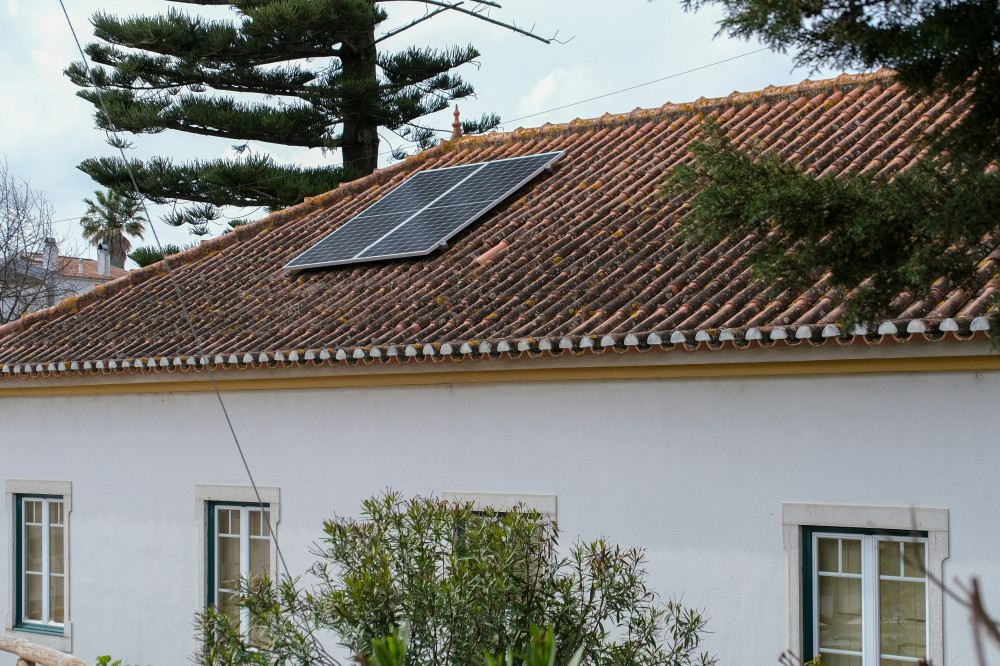
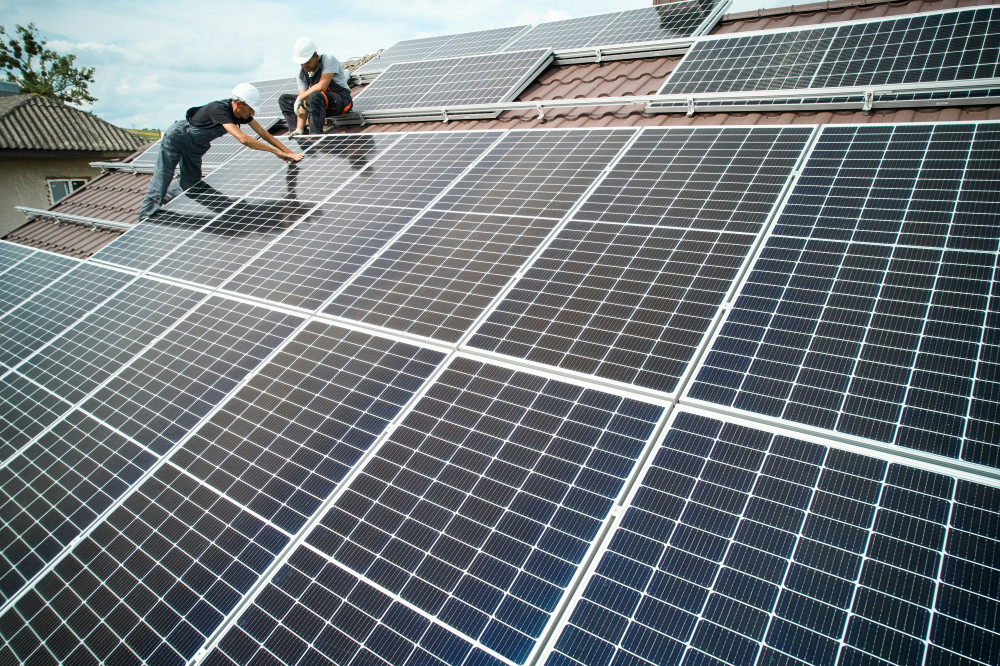
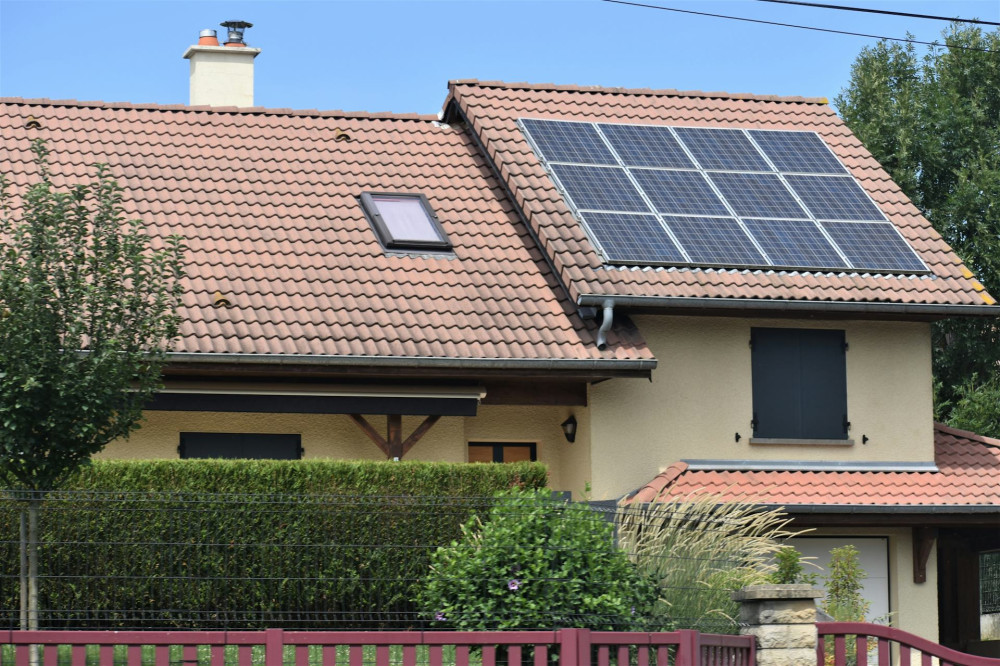
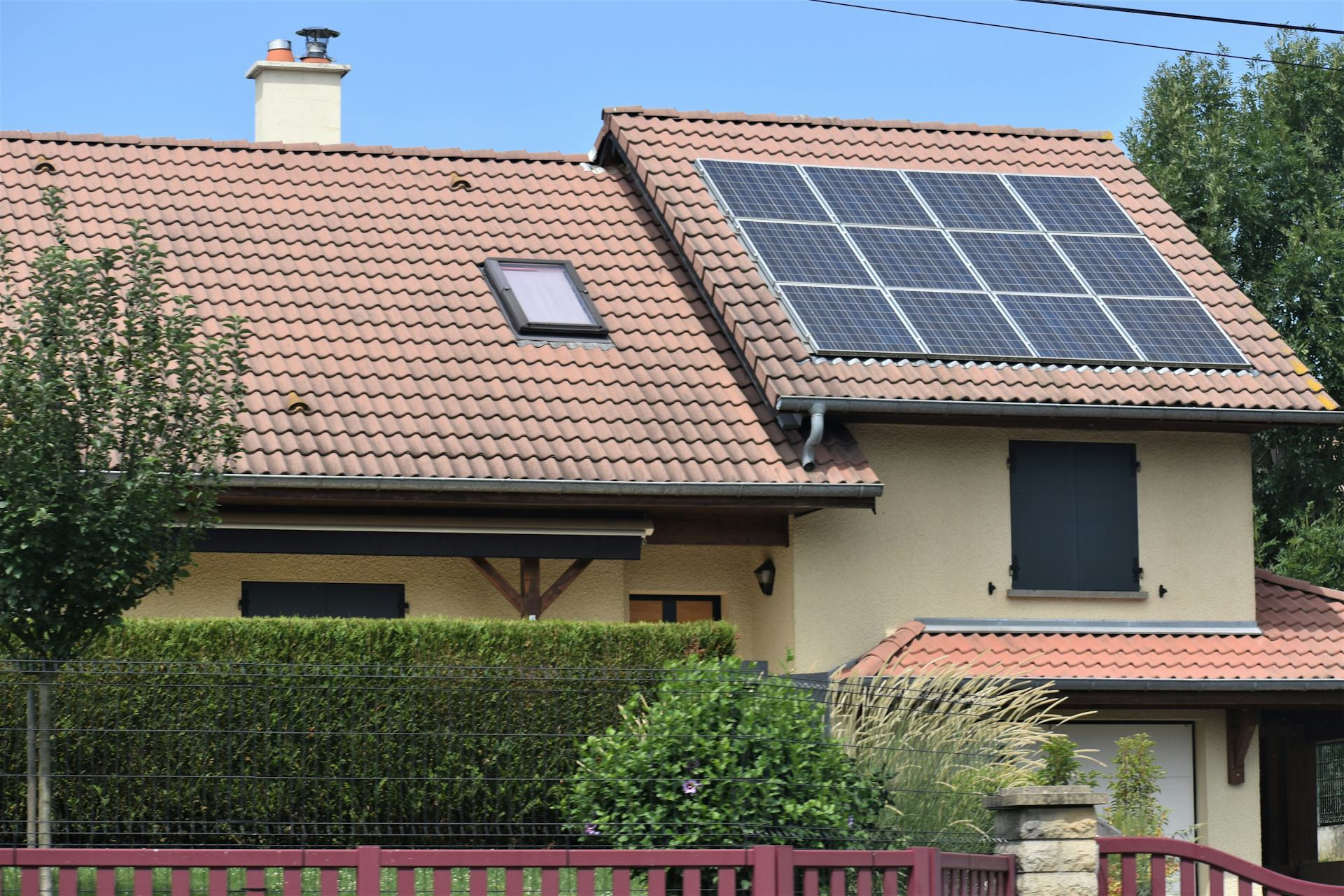
- Renewable energy: Solar panels, geothermal systems, and air-source heat pumps are increasingly popular in American homes. They can cover a large portion of your energy needs while lowering your carbon footprint.
- Smart controls: Smart thermostats and home energy management systems allow you to adjust heating, cooling, and lighting based on your schedule—saving energy without sacrificing comfort.
Even small changes, like switching to LED lighting or choosing ENERGY STAR–certified appliances, can lead to noticeable savings over time.
Thoughtful Material Choices
When remodeling or building, the materials you choose have a major impact on both the environment and indoor air quality. Sustainable materials are often produced with less energy, can be recycled, and emit fewer harmful substances.
- Natural materials such as wood, clay, and lime are excellent alternatives to synthetic products. They contribute to a healthy indoor climate and can often be reused.
- Reuse and upcycling: Reclaimed wood, bricks, and fixtures can add character to your home while saving resources.
- Certifications: Look for labels like FSC (Forest Stewardship Council), GreenGuard, or Cradle to Cradle when selecting building materials and furniture.
A sustainable home doesn’t have to mean starting from scratch—it’s often about using what you already have in smarter, more efficient ways.
Water and Heating in Balance
Water use and heating are two areas where small adjustments can make a big difference. Water-saving fixtures, rainwater collection, and energy-efficient heating systems are both eco-friendly and cost-effective.
- Rainwater for outdoor use: Collecting rainwater for your garden or lawn can significantly reduce your water bill, especially in drought-prone areas.
- Efficient heating and cooling: Heat pumps, radiant floor heating, and modern HVAC systems can maintain comfort with less energy.
- Heat recovery ventilation: Systems that reuse heat from exhaust air can improve indoor air quality while reducing energy loss.
These solutions may require an initial investment, but they often pay for themselves through lower utility bills and increased comfort.
Comfort and Indoor Climate – The Overlooked Sustainability
A sustainable home should not only be energy-efficient—it should also be a pleasant place to live. Good air quality, stable temperatures, and natural light all play a big role in health and well-being.
- Ensure proper ventilation, especially in well-sealed homes, to prevent moisture buildup and maintain fresh air.
- Use natural light strategically. South-facing windows and light curtains can reduce the need for artificial lighting.
- Choose low-VOC paints and furnishings to minimize exposure to harmful chemicals.
When comfort and sustainability go hand in hand, it becomes easier to maintain good habits and enjoy your home every day.
Economy: Think Long-Term
While sustainable solutions often require an upfront investment, they’re rarely just an expense—they’re a shift in perspective. Lower energy bills, fewer repairs, and a healthier living environment all add value over time. Plus, energy-efficient homes are increasingly attractive to buyers, which can boost resale value.
Consider starting with a home energy audit to identify where improvements will have the greatest impact. Many states, utilities, and federal programs offer rebates, tax credits, or low-interest loans for green upgrades—making it easier to take the first step.
Læs også:

Sustainable Living Is a Journey
Creating a sustainable home isn’t something that happens overnight. It’s a process of gradual improvement—adjusting your home and your habits step by step. Every small change, from turning off unused lights to choosing eco-friendly materials, contributes to a larger goal.
When environment, economy, and comfort go hand in hand, sustainability stops being a burden and becomes a natural part of everyday life. It’s about living well—while caring for the planet and the future we all share.
Læs også: