Set the Right Priorities: Use Energy Consulting to Choose the Most Effective Home Energy Improvements

Set the Right Priorities: Use Energy Consulting to Choose the Most Effective Home Energy Improvements
When you decide to make your home more energy-efficient, it can be hard to know where to start. Should you replace your windows, add attic insulation, or invest in solar panels? Most homeowners have a limited budget, so the key is to focus on the improvements that deliver the greatest return. That’s where an energy consultant can be your best investment—for your wallet, your comfort, and the planet.
Why Energy Consulting Pays Off
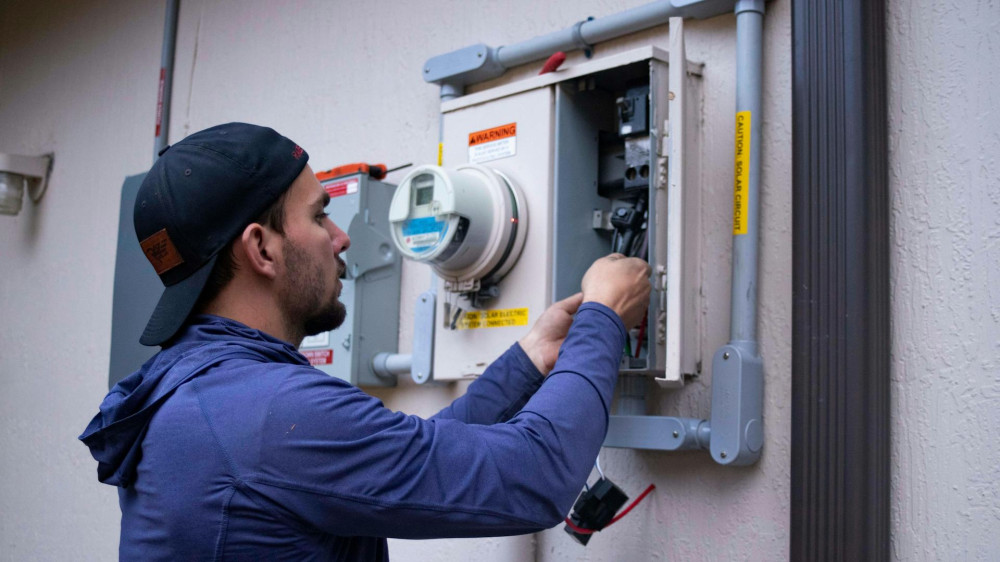
An energy consultant helps you understand how your home uses energy and identifies where upgrades will have the biggest impact. The consultant will inspect your home from basement to attic, evaluate insulation, heating and cooling systems, windows, and ventilation, and then create a plan that shows which improvements make the most sense financially and environmentally.
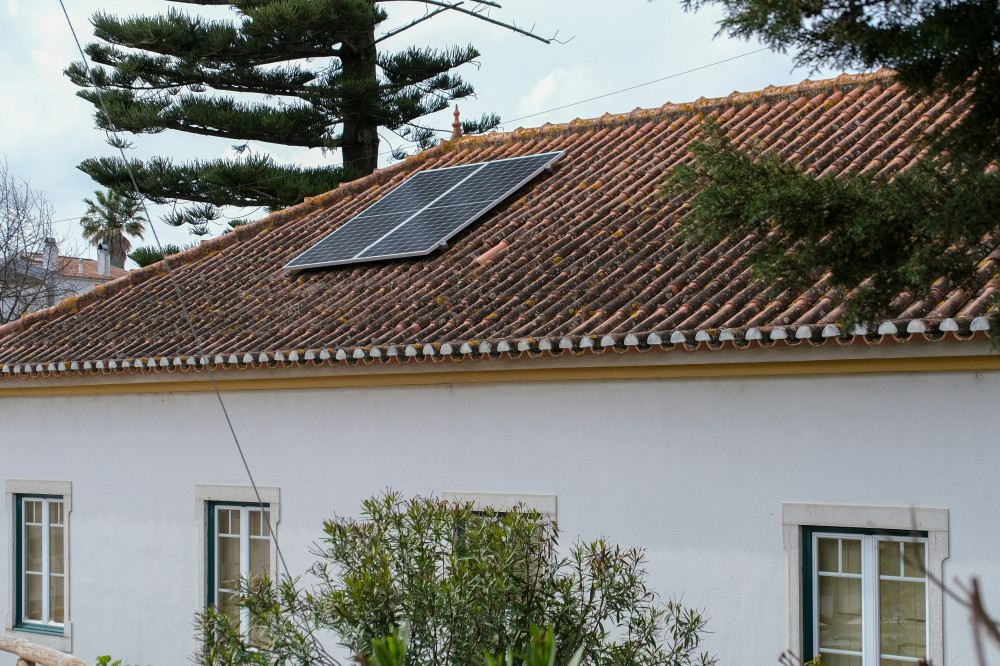
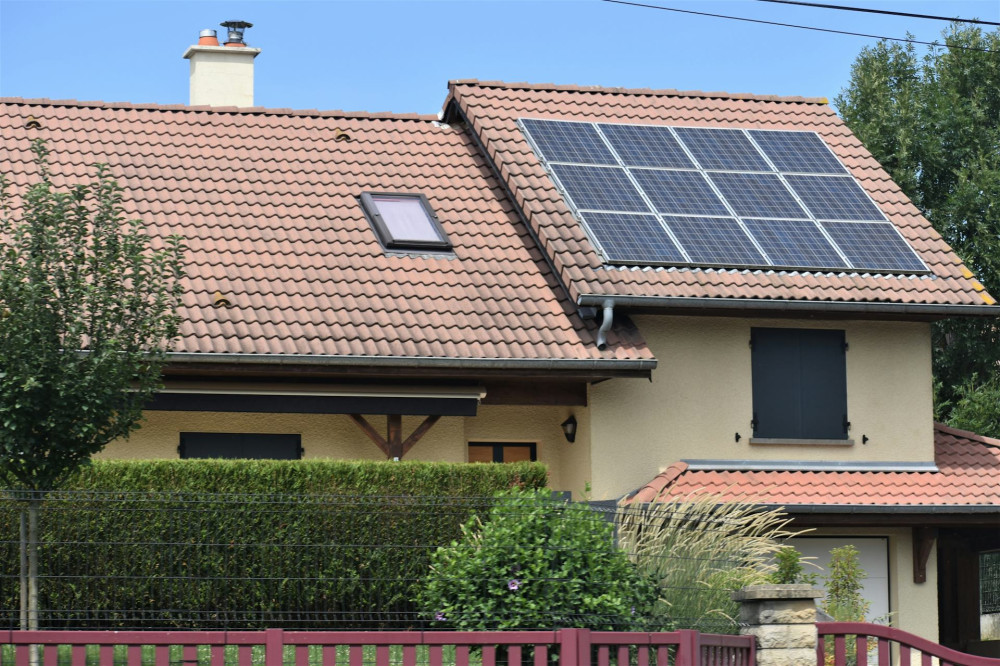
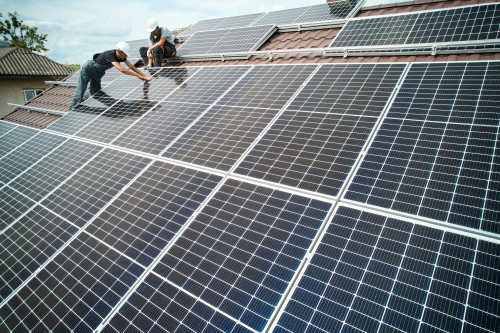
It’s tempting to start with the most visible upgrades—like new windows or rooftop solar panels—but the biggest savings often come from less visible improvements, such as sealing air leaks or adding insulation. A consultant can help you see where each dollar spent will have the greatest effect.
Get an Energy Audit—and a Plan You Can Act On
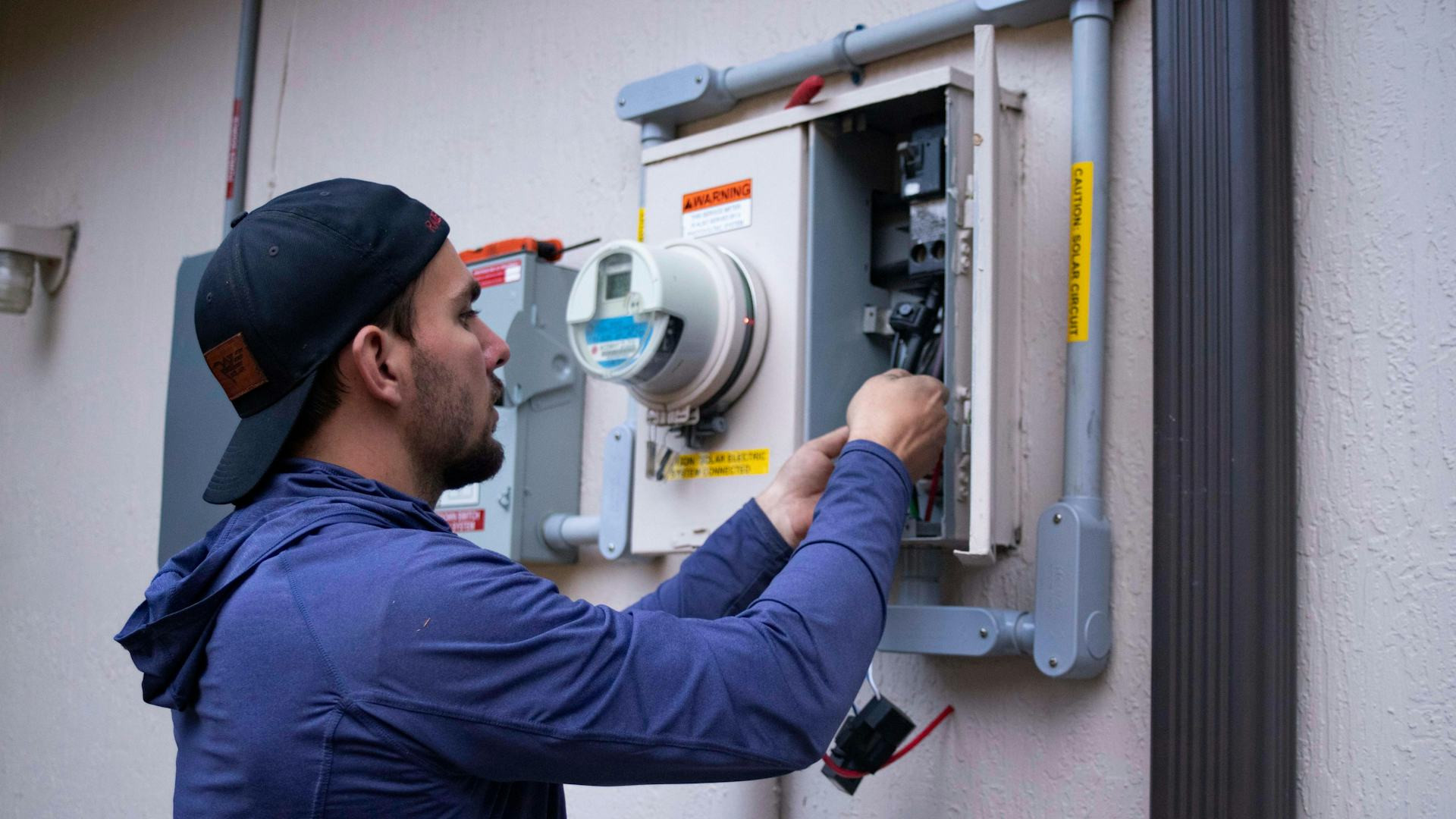
An energy audit is usually the first step. During the audit, a professional uses tools like blower doors and infrared cameras to find where your home is losing energy. You’ll receive a detailed report showing your current energy use and a prioritized list of recommendations—from quick, low-cost fixes to larger investments.
- Short term: Seal air leaks, add weatherstripping, tune up your HVAC system, and replace old light bulbs and thermostats.
- Medium term: Add attic or wall insulation, upgrade windows, or replace an aging water heater.
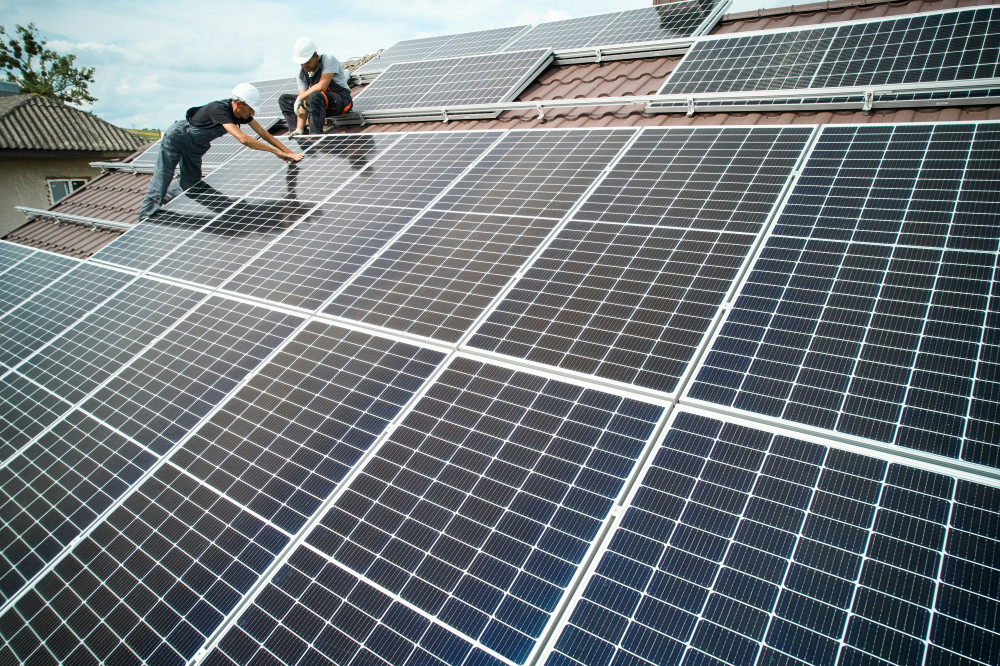
- Long term: Consider installing a heat pump, solar panels, or a high-efficiency ventilation system.
With a clear plan, you can tackle improvements step by step while staying on track toward a more efficient home.
Prioritize by Impact and Payback
When deciding which projects to pursue, focus on two main factors: energy savings and payback period. A good consultant can estimate how much each improvement will reduce your utility bills and how long it will take for the investment to pay for itself.
For example, adding attic insulation is often relatively inexpensive but can significantly cut heating and cooling costs. Replacing windows may cost more and take longer to pay off, but it can improve comfort and indoor air quality. The goal is to find the right balance between cost, comfort, and sustainability.
Think Holistically
Energy improvements work best when planned as part of an overall strategy rather than as isolated projects. If you’re planning to replace your roof soon, it might make sense to wait and add insulation at the same time. Or if you’re considering a heat pump, make sure your home is well insulated first—otherwise, the system will have to work harder than necessary.
An energy consultant can help you coordinate these projects so you avoid redundant work and get the most value from your investments.
Læs også:
Find the Right Consultant
In the U.S., you can find certified energy auditors through the Department of Energy’s Home Energy Score program, the Building Performance Institute (BPI), or your local utility company. Some states and municipalities even offer rebates or free audits, especially for older homes. It’s best to choose a consultant who is independent of product vendors, so you receive unbiased recommendations.
Ask for references and make sure the consultant provides a written report with specific calculations and suggestions. This documentation can also help you qualify for rebates, tax credits, or financing programs.
An Investment in the Future
Energy consulting isn’t just about saving money today—it’s about future-proofing your home, improving comfort, and reducing your carbon footprint. A more efficient home is worth more on the market, and you’ll enjoy a healthier indoor environment with fewer drafts and temperature swings.
By setting the right priorities—and getting professional guidance—you can make the improvements that deliver the greatest benefits for both your home and the environment.
Læs også: