Maintain Your Outdoor Lighting Year-Round

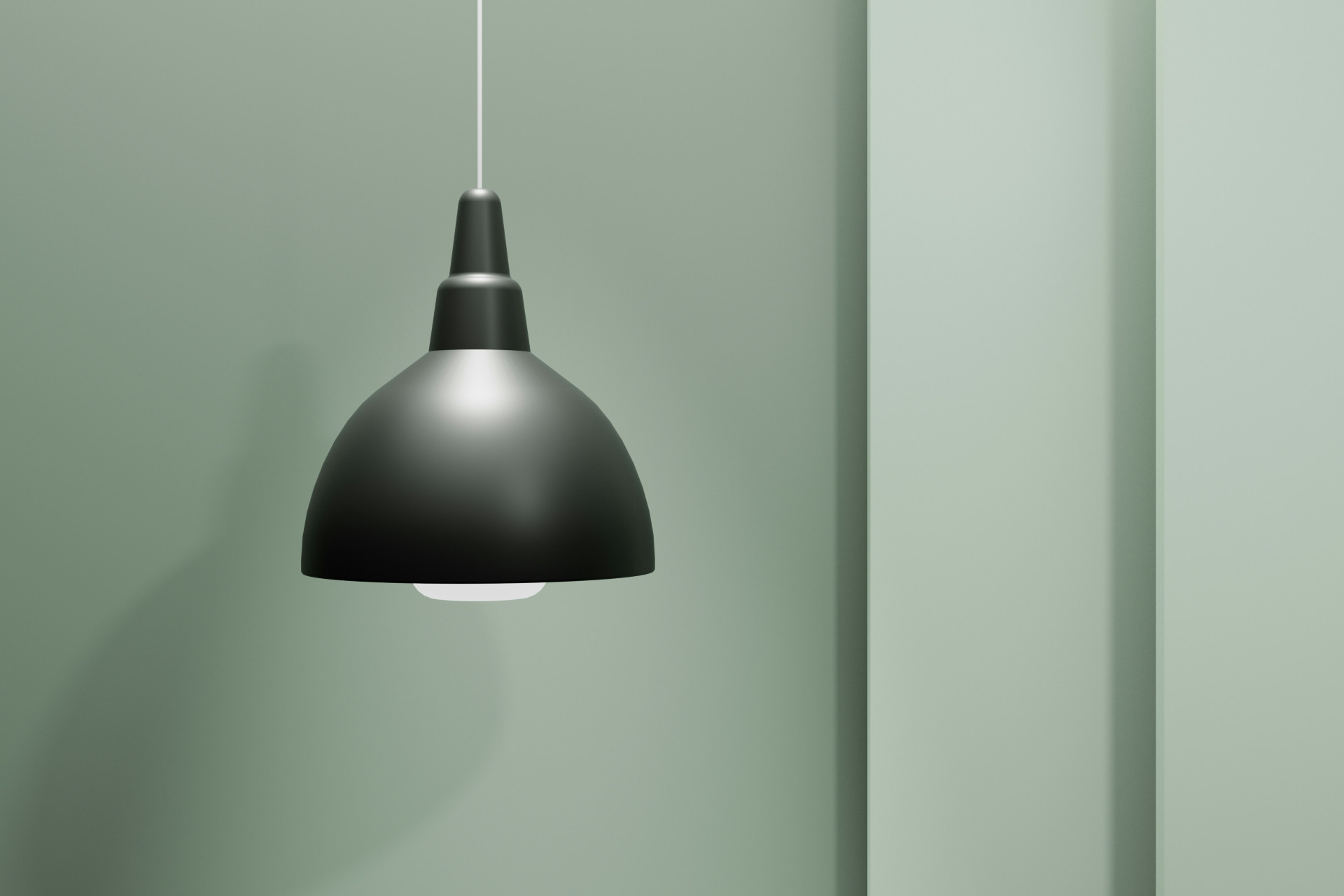
Maintain Your Outdoor Lighting Year-Round
Outdoor lighting does more than make your yard and driveway look inviting—it also improves safety and security after dark. But to keep your lights shining bright and lasting for years, they need regular care. Sun, rain, snow, and pollen all take their toll, and without maintenance, even high-quality fixtures can lose brightness and durability. Here’s how to keep your outdoor lighting in top shape through every season.
Spring: Clean and Inspect After Winter
When winter fades, it’s time to give your outdoor lighting a thorough checkup. Snow, salt, and moisture can leave behind grime and corrosion.
- Clean fixtures with a soft cloth and mild soap. Avoid harsh cleaners that can damage finishes.
- Inspect for damage to glass, seals, and wiring. Freezing temperatures can cause cracks that let in moisture.
- Check bulbs and replace any that are dim or burned out. If you haven’t already, consider switching to LEDs—they use less energy and last much longer.
Spring is also a good time to adjust fixture placement if you’ve rearranged patio furniture or landscaping. Make sure the light covers the areas you actually use.
Læs også:

Summer: Focus on Function and Ambiance
Summer evenings are perfect for outdoor gatherings, and lighting plays a big role in setting the mood. It’s also when you can spot issues with sensors or timers.
- Wipe down solar lights so panels can charge efficiently.
- Test motion sensors to ensure they respond quickly but don’t trigger unnecessarily. Adjust sensitivity if needed.
- Inspect cords and connectors for wear or moisture damage—summer rain and sprinklers can affect them.
You might also add decorative lighting, such as string lights, garden spotlights, or lanterns on the deck. These touches bring warmth and charm to your outdoor space.
Fall: Prepare for Shorter Days
As days grow shorter and humidity rises, it’s important to make sure your lighting is ready for longer nights.
- Clean fixtures again, especially those near the ground where dirt and leaves collect.
- Check seals and gaskets to prevent water intrusion.
- Adjust timers or dusk-to-dawn sensors to match the changing daylight hours.
- Replace batteries in solar lights if they start to dim.
Fall is also a good time to evaluate lighting around entryways, steps, and walkways. A few extra lights can make a big difference in safety and comfort.
Winter: Protect Against Cold and Moisture
Winter weather can be tough on outdoor lighting. Freezing temperatures, snow, and ice can damage materials and wiring.
- Brush off snow and ice so fixtures aren’t buried or blocked.
- Avoid pressure washing, which can force water into electrical components.
- Watch for flickering or outages, which may indicate moisture problems.
- Turn off power to lights you don’t use in winter to save energy and reduce wear.
If you have motion-activated lights, adjust them so they don’t trigger too often from snowflakes or reflections.
Tips for Long-Lasting Outdoor Lighting
- Choose quality fixtures with a high IP rating (at least IP44) to withstand weather exposure.
- Use LED bulbs—they produce less heat and last far longer than traditional bulbs.
- Inspect wiring regularly, especially if you live near the coast where salt and humidity can cause corrosion.
- Schedule maintenance a few times a year to stay on top of cleaning and repairs.
With a little attention each season, your outdoor lighting will stay bright, efficient, and beautiful—keeping your home safe and welcoming all year long.
Læs også: