Color Palette and Lighting: How to Set the Mood with the Right Light Sources

Color Palette and Lighting: How to Set the Mood with the Right Light Sources
Light is much more than a practical necessity. It shapes the atmosphere of a room, highlights colors, and influences how we experience our surroundings. The right combination of color palette and lighting can transform an ordinary space into one that feels warm, calm, or energizing—depending on your needs. Here’s a guide to how you can use thoughtful choices of light sources and colors to create the mood you want in your home.
Understanding the Relationship Between Color and Light
Color and light are inseparable. A wall that looks warm and golden in daylight can appear cool and gray under a harsh LED bulb. That’s why it’s important to consider lighting when choosing paint colors, furniture, and fabrics.
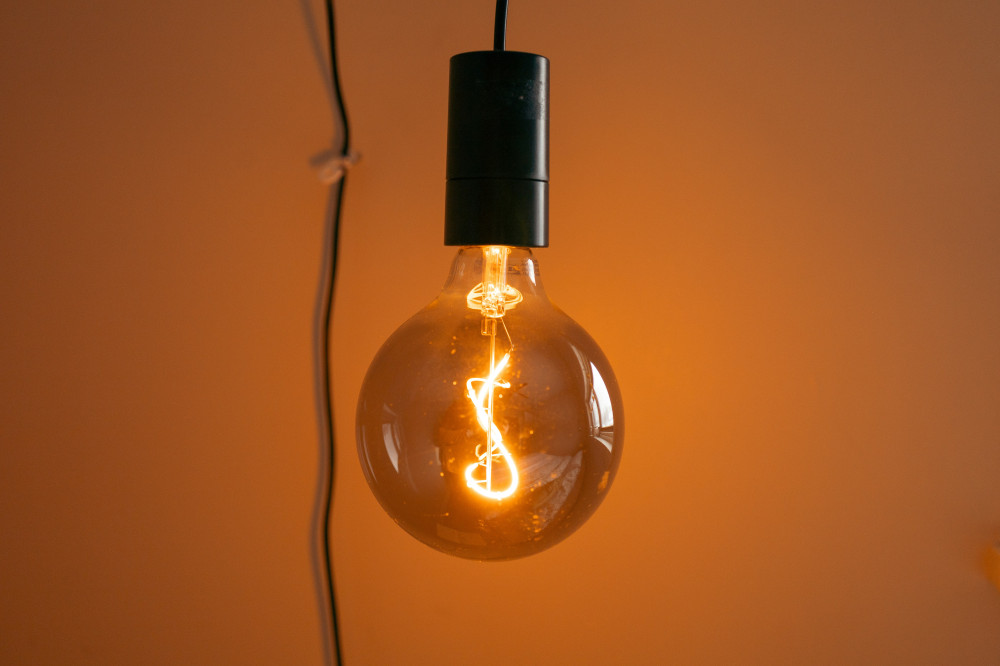
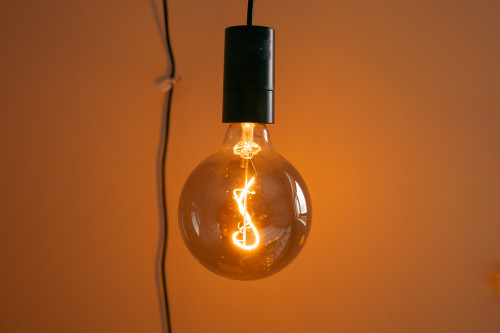
- Warm light (below 3000 Kelvin) enhances reds, oranges, and browns, creating a cozy and intimate atmosphere.
- Neutral light (around 3500–4000 Kelvin) provides a balanced, natural look that works well in spaces where you want both comfort and functionality.
- Cool light (above 4000 Kelvin) sharpens blues and grays, making it ideal for work areas where focus and clarity are key.
When selecting colors for a room, think about how they’ll appear under different light sources—both natural daylight and artificial light.
Layer Your Lighting
Good lighting design is all about layers. Instead of relying on a single overhead fixture, create depth and dimension by combining multiple types of lighting:
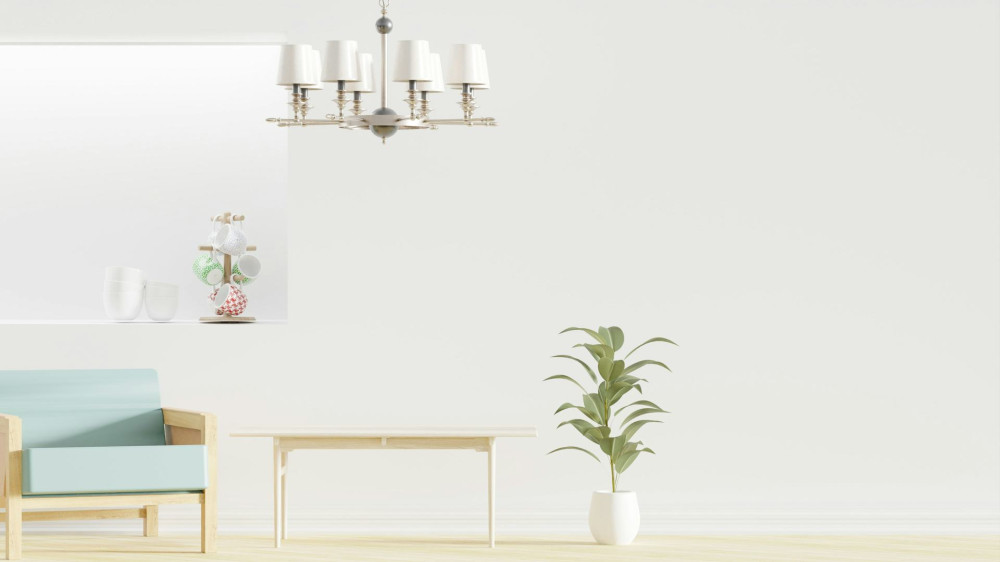
- Ambient lighting provides general illumination throughout the room. This can come from ceiling fixtures, recessed lights, or large pendants.
- Task lighting focuses on areas where you need extra brightness—like the kitchen counter, desk, or reading nook.
- Accent or mood lighting adds softness and warmth. Table lamps, wall sconces, and LED strips behind furniture can all help create a relaxing atmosphere.
By layering these types of light, you can easily shift the mood—from bright and functional during the day to soft and inviting in the evening.
Be Intentional with Color Temperature
The color temperature of your bulbs has a major impact on how a space feels. In living rooms and bedrooms, warm light creates a calm, welcoming vibe, while cooler light in kitchens and bathrooms helps with visibility and precision.
A great tip is to use dimmable bulbs, so you can adjust brightness depending on the time of day and activity. In the morning, turn up the light for an energizing start; in the evening, dim it down to signal relaxation.
How Materials Reflect Light
Different materials interact with light in unique ways. Glossy paint, glass, and metal reflect light and make a room feel larger and brighter. Matte finishes and soft fabrics absorb light, creating a more subdued and cozy atmosphere.
If you want a warm, tranquil look, combine soft textiles, wood, and warm lighting. For a modern, airy feel, pair cooler light with light-colored walls and sleek surfaces.
Læs også:
The Color Palette as a Mood Setter
When choosing colors for a room, think about the emotion you want to evoke:
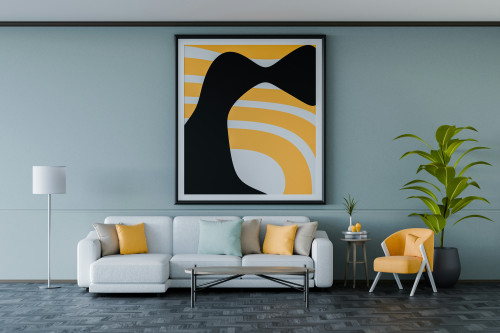
- Warm colors like terracotta, ochre, and blush pink create intimacy and comfort.
- Cool colors like blue, green, and gray bring calmness and freshness.
- Neutral tones like beige, white, and sand provide a versatile base that changes character depending on the lighting.
A neutral room can take on a completely different mood depending on whether you use warm or cool light—making it easy to refresh the look over time.
Balancing Function and Atmosphere
The best lighting design is both practical and atmospheric. In the kitchen, you need clear light for cooking, but that doesn’t mean it has to be harsh. Combine bright task lighting with softer illumination over the dining area. In the living room, use lamps with diffused shades for even light, and add smaller light sources in corners to avoid dark spots.
Also, consider how light flows through your home. A warm glow in the living room that transitions to cooler light in the kitchen can create a natural sense of movement between spaces with different purposes.
Lighting as Part of Your Personal Style
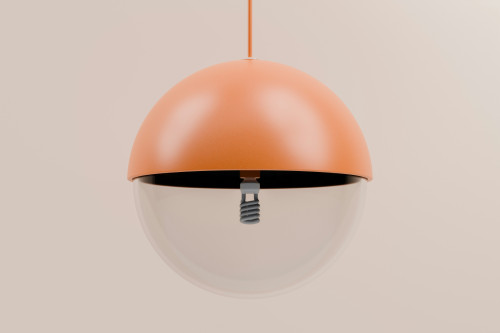
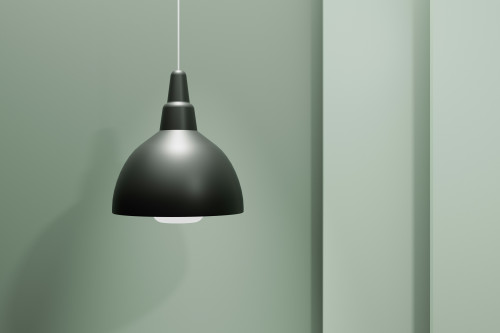
Lighting isn’t just about function—it’s also about expression. Fixtures can be design statements that reflect your personal style, whether you prefer minimalist, classic, or eclectic interiors. Choose lamps that fit both the room’s purpose and the mood you want to create.
A well-lit home feels alive because light changes with the rhythm of the day and your activities. When you thoughtfully combine color and light, you create a home that not only looks beautiful—but feels just right.
Læs også: