Light Up Your Living Room – Plan Lighting Around Your Family’s Rhythm

Light Up Your Living Room – Plan Lighting Around Your Family’s Rhythm
Lighting in the living room is more than a practical necessity—it shapes mood, energy, and togetherness. A well-planned lighting design can make the space feel bright and lively during the day and calm and cozy at night. But how do you create lighting that follows your family’s rhythm throughout the day? Here’s how to plan your living room lighting so it’s functional, flexible, and inviting.
Start by Understanding How You Use the Space
The living room is often the most versatile area in the home. It’s where you read, work, watch movies, play games, and relax. That’s why it needs multiple layers of light that can adapt to different activities.
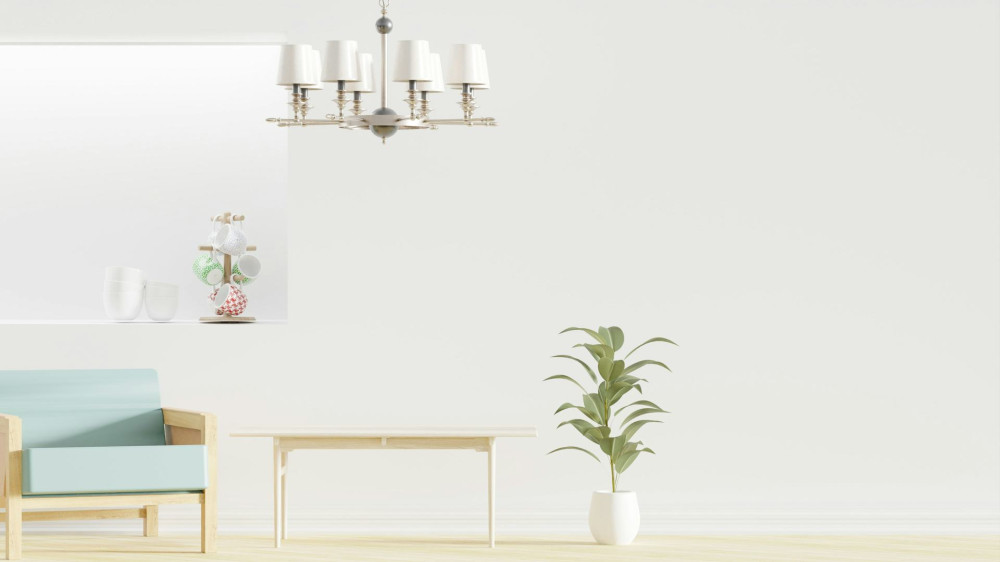
- General lighting provides even illumination across the room, making it easy to move around. Ceiling fixtures, recessed lights, or large pendants work well here.
- Task lighting focuses on specific activities like reading, crafting, or playing board games. Floor lamps and table lamps are ideal for this.
- Accent or ambient lighting adds warmth and atmosphere. Think dimmed lamps, wall sconces, or LED strips behind furniture.
When planning your lighting, think in layers—combine several light sources so you can adjust the mood as needed.
Match the Light to the Time of Day
Your family’s rhythm changes throughout the day, and your lighting should too. In the morning, bright, cool light helps wake everyone up. In the evening, warm, soft light encourages relaxation and signals that it’s time to wind down.
- Morning and midday: Use bright, neutral-to-cool light (around 4000–5000 kelvin) to energize the space and support focus.
- Afternoon: Let natural light take the lead. Use sheer curtains or blinds that filter sunlight without blocking it completely.
- Evening: Switch to warm light (2700 kelvin or lower). Dimmable lamps or smart bulbs make it easy to create a cozy, restful atmosphere.
By adjusting your lighting to follow the day’s natural rhythm, you can support well-being and better sleep—especially during darker winter months.
Create Lighting Zones
A great way to make your living room both functional and comfortable is to divide it into lighting zones. This gives you flexibility and helps you easily change the mood.
- Reading nook: A floor lamp with an adjustable arm and shaded bulb provides focused light without glare.
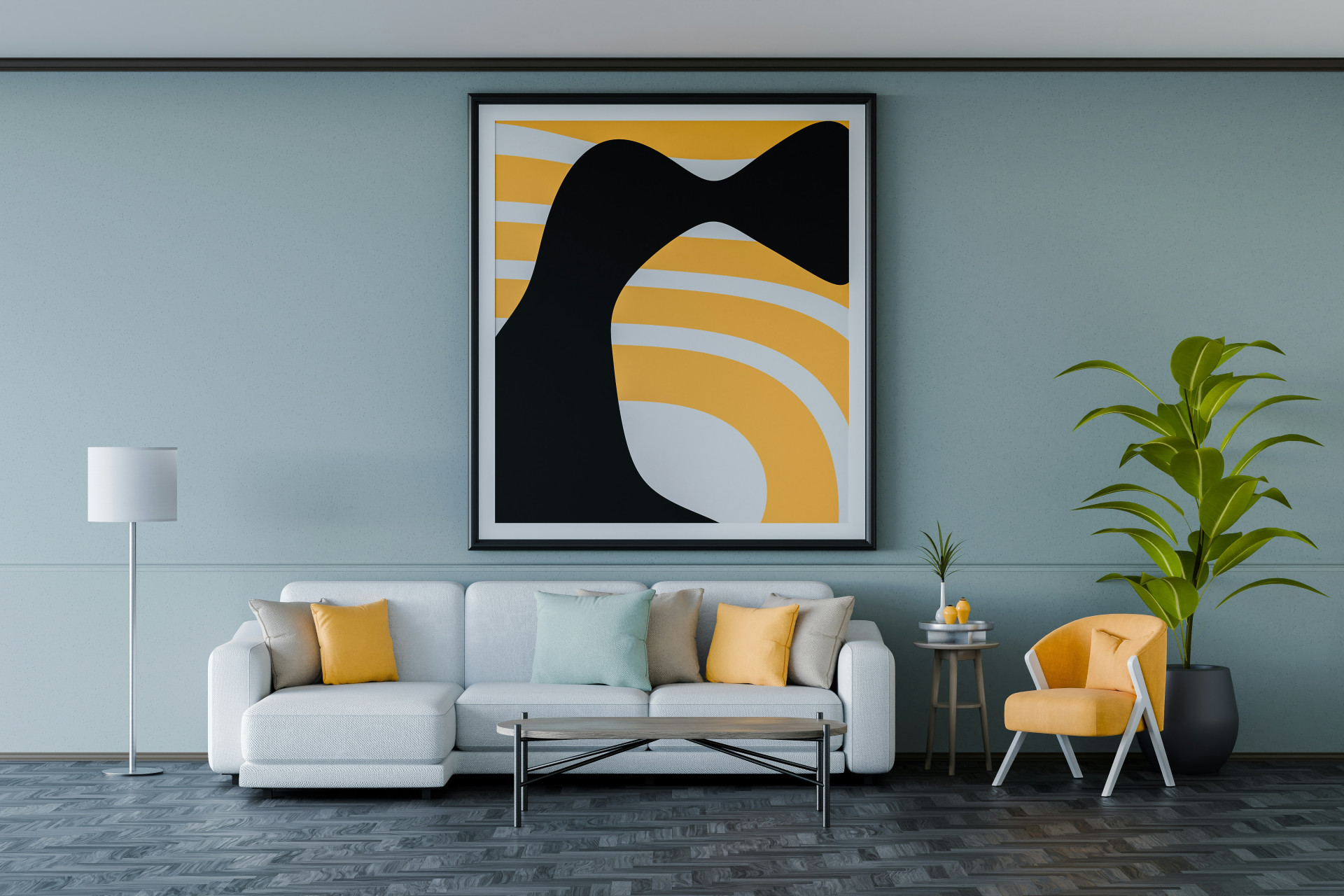
- Sofa area: Combine a dimmable ceiling fixture with small table lamps so you can switch between conversation lighting and movie lighting.
- Windows and corners: Small lamps or string lights in the window add depth and a welcoming glow from outside.
- Decor highlights: Use spotlights to emphasize artwork, plants, or architectural details—this adds personality and visual interest.
Each zone can be controlled separately, allowing you to tailor the lighting to the moment.
Choose the Right Light Sources
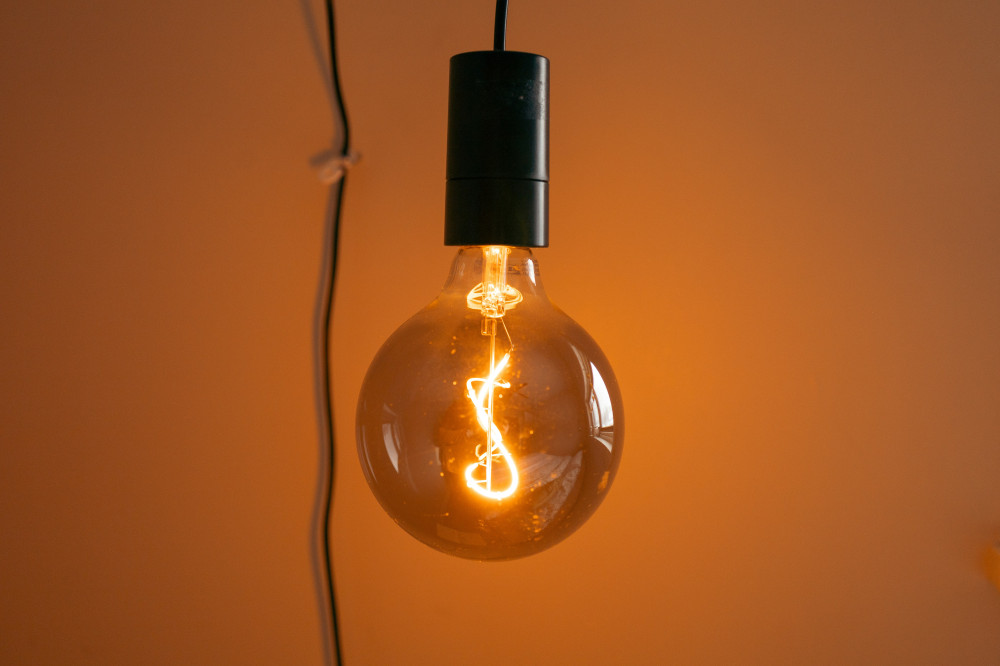
LED technology has made it easier than ever to create flexible, energy-efficient lighting. LEDs use less power, last longer, and come in a wide range of color temperatures. When choosing bulbs, pay attention to:
- Color temperature (kelvin): Lower numbers mean warmer light. 2700K gives a cozy, golden glow, while 4000K feels more neutral and bright.
- Color rendering (CRI): A high CRI (90 or above) ensures colors look natural—important in spaces where you spend a lot of time.
- Dimmability: Allows you to adjust brightness to match the activity or mood.
Consider smart lighting systems that let you control brightness and color tone via an app or voice assistant. With one tap, you can shift from work mode to movie night.
Læs også:
Let Lighting and Décor Work Together
Lighting isn’t just about function—it’s also part of your décor. Fixtures can be design statements that reflect your style, but they should also serve a purpose.
Think about how light interacts with walls, furniture, and fabrics. Light-colored surfaces reflect light and make the room feel larger, while darker tones absorb it and create intimacy. Mix materials like glass, metal, and fabric to add texture and depth.
A good tip is to test your lighting at different times of day before finalizing your setup. See how each fixture affects the atmosphere in daylight and after dark.
Make Light Part of Everyday Life
When lighting is thoughtfully planned, it becomes a natural part of your family’s daily rhythm. It can mark transitions—from work to relaxation, from day to evening—and create a sense of comfort and connection.
It’s not about having the most lamps, but about using them wisely. With the right balance of function, flexibility, and mood, you can create a living room that truly shines—day after day.
Læs også: