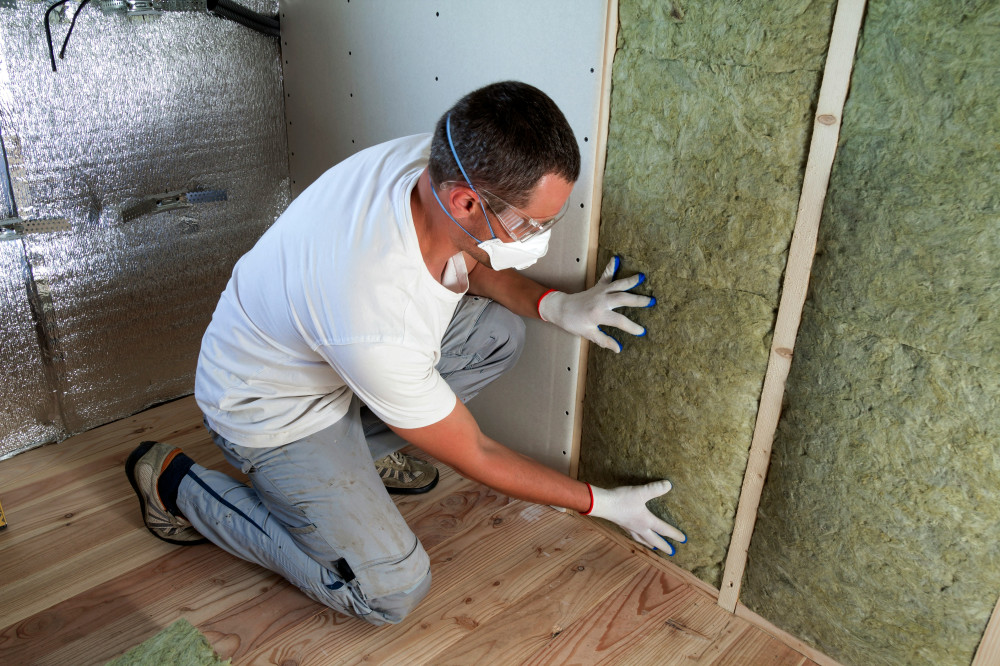
Green Insulation: How to Reduce Your Home’s Carbon Footprint

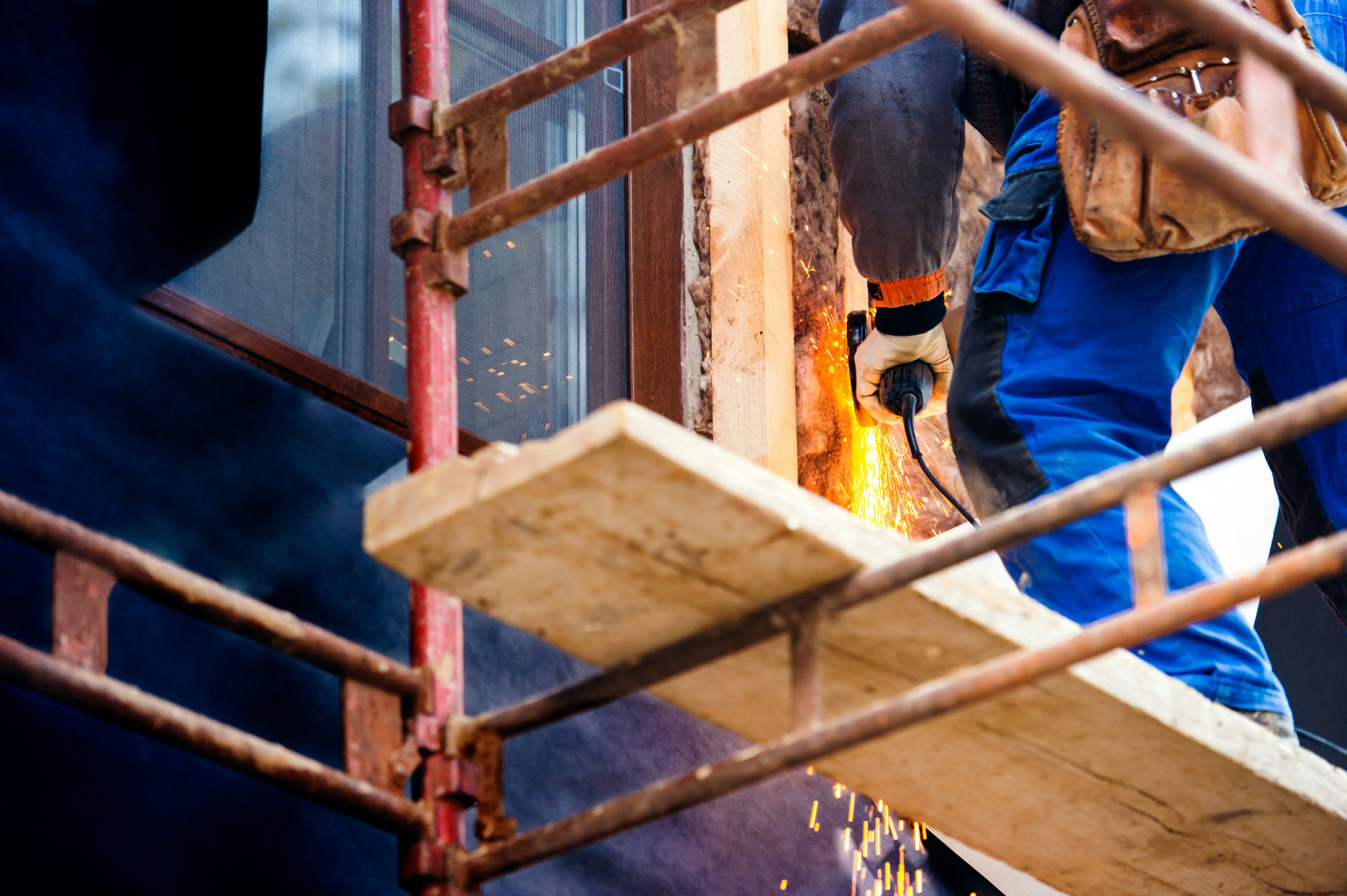
Green Insulation: How to Reduce Your Home’s Carbon Footprint
When Americans think about making their homes more eco-friendly, solar panels, electric vehicles, and smart thermostats often come to mind. But one of the most effective—and frequently overlooked—ways to cut energy use and carbon emissions is through proper insulation. A well-insulated home requires less energy for heating and cooling, which means lower utility bills and a smaller carbon footprint. Here’s how green insulation can help you make your home more sustainable.
Why Insulation Is Key to a Greener Home
According to the U.S. Department of Energy, heating and cooling account for nearly half of the average household’s energy use. If your home leaks air through walls, attics, or windows, your HVAC system has to work harder to maintain a comfortable temperature—wasting both energy and money.
Improving your insulation helps keep conditioned air inside and outdoor air out. This not only reduces your reliance on fossil fuels but also makes your home more comfortable year-round. In short, insulation is one of the smartest investments you can make for both your wallet and the planet.
Læs også:
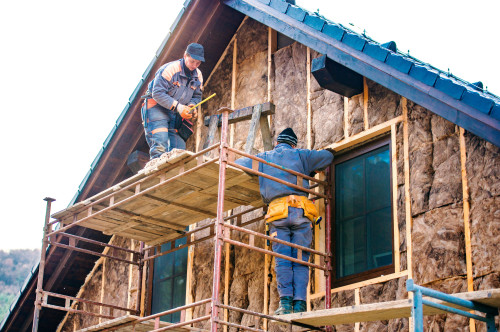
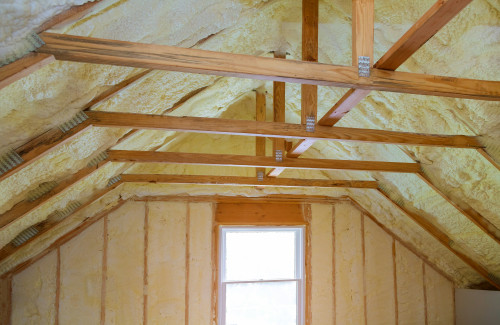
Choose Sustainable Insulation Materials
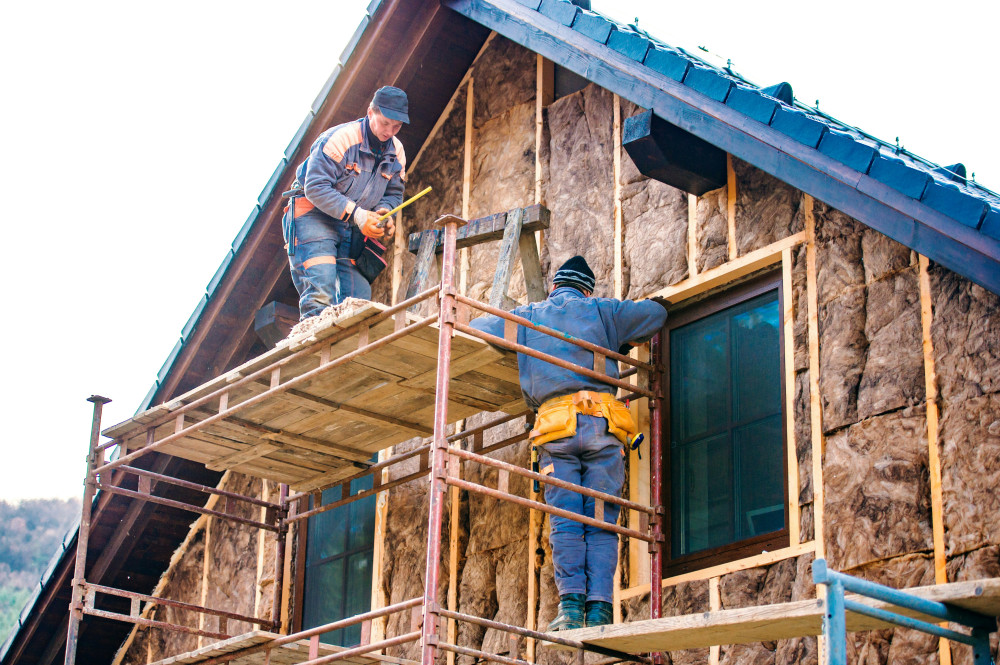
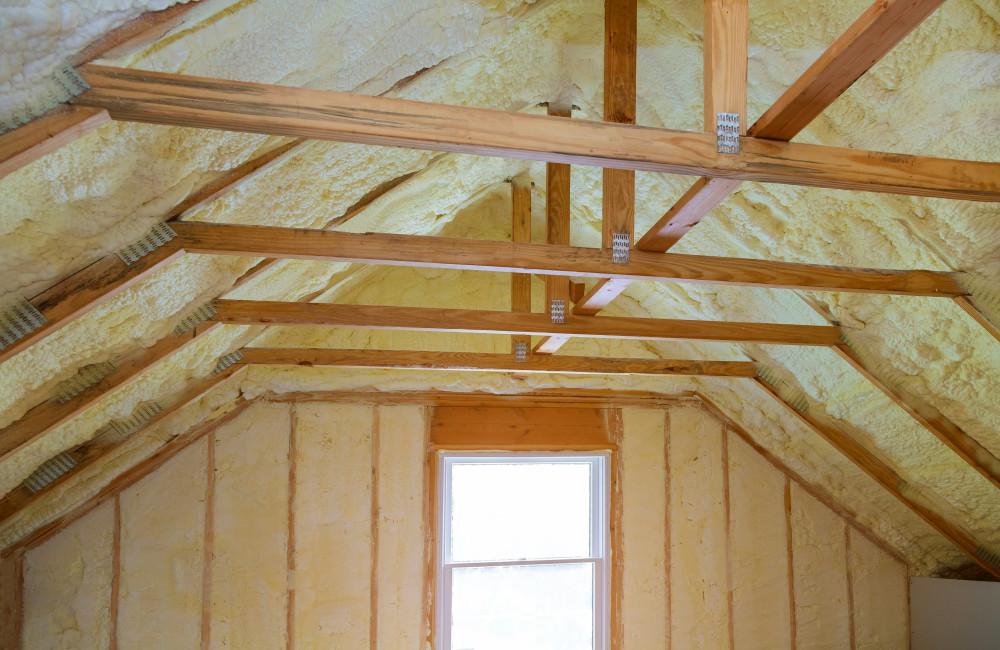
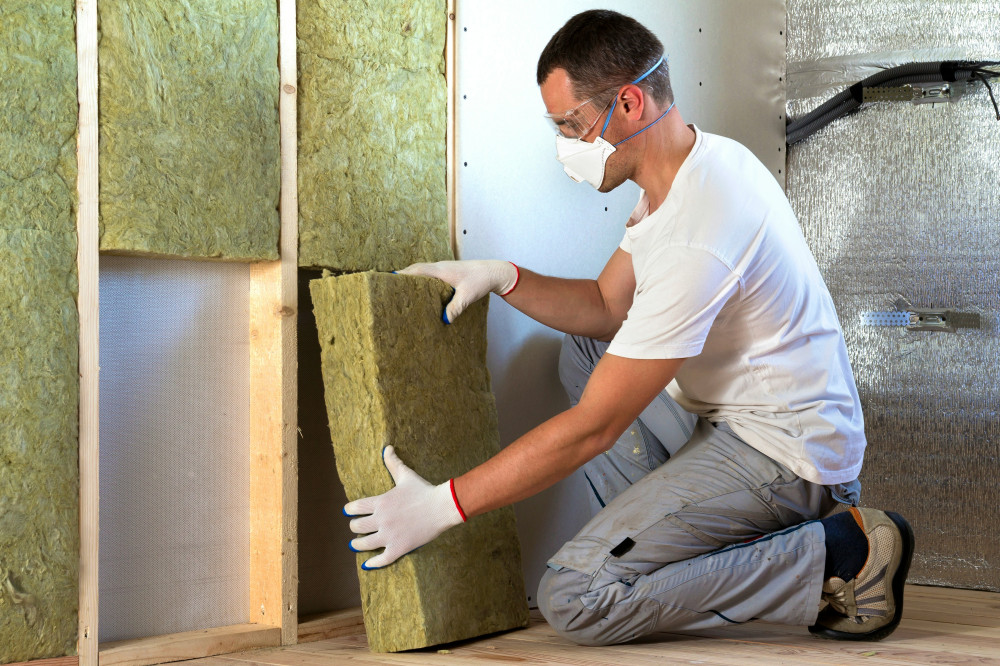
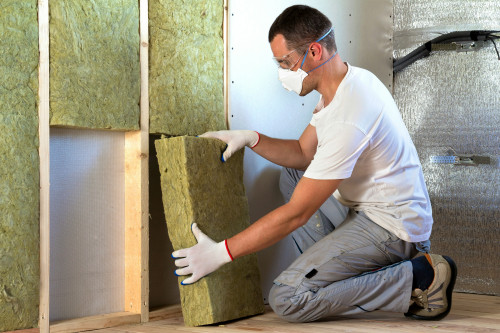
Traditional insulation materials like fiberglass and foam are effective, but they’re not always the most environmentally friendly. Fortunately, there are several green alternatives that perform just as well while minimizing environmental impact.
- Cellulose insulation – Made from recycled newspaper and treated for fire and pest resistance. It’s one of the most sustainable and cost-effective options available in the U.S.
- Cotton (denim) insulation – Produced from recycled denim and cotton fibers. It’s safe to handle, non-toxic, and provides excellent soundproofing.
- Sheep’s wool – A natural, renewable material that regulates moisture and maintains its insulating properties even when damp.
- Cork and hemp insulation – Plant-based materials that are biodegradable and have a low carbon footprint.
- Wood fiber insulation – Manufactured from wood waste, offering good thermal performance and breathability.
When choosing materials, consider their R-value (thermal resistance), durability, and environmental impact throughout their life cycle.
Start with a Home Energy Audit
Before you start adding insulation, it’s wise to schedule a home energy audit. Many utility companies and local governments offer these assessments, sometimes at low or no cost. An energy auditor can identify where your home is losing heat or cool air and recommend the most effective improvements.
Common problem areas include:
- Attics and roofs – Up to 25% of heat loss can occur here.
- Exterior walls – Especially in older homes without cavity insulation.
- Windows and doors – Drafts and single-pane glass can waste significant energy.
- Basements and crawl spaces – Often overlooked but major sources of heat loss.
A professional audit helps you prioritize upgrades for maximum energy savings and environmental benefit.
Combine Insulation with Other Energy-Efficient Upgrades
Insulation works best as part of a broader energy-efficiency plan. Consider pairing it with other improvements to maximize your home’s performance:
- Upgrade to energy-efficient windows with low-emissivity (Low-E) coatings.
- Seal air leaks around doors, vents, and ducts to prevent drafts.
- Install a heat pump for efficient heating and cooling.
- Add a smart thermostat to optimize energy use.
- Ensure proper ventilation—a well-sealed home still needs fresh air, so consider a system with heat recovery.
Together, these measures can dramatically reduce your home’s energy consumption and carbon emissions.
Financial Incentives and Rebates
While insulation upgrades require an upfront investment, they typically pay for themselves through lower energy bills within a few years. Plus, there are numerous federal, state, and local incentives that can help offset the cost.
The Inflation Reduction Act and programs like ENERGY STAR Home Upgrade offer tax credits and rebates for energy-efficient improvements, including insulation. Check the Database of State Incentives for Renewables & Efficiency (DSIRE) to find programs available in your area.
Think Long-Term—and Think Green
Green insulation isn’t just about saving energy today; it’s about building a home that’s comfortable, healthy, and sustainable for decades to come. By choosing eco-friendly materials, improving your home’s energy efficiency, and taking advantage of available incentives, you’re making a meaningful contribution to a cleaner future.
It’s an investment that pays off—for your home, your wallet, and the planet.
Læs også: