Floor Insulation or Attic Insulation? How to Prioritize Your Energy Upgrades

Floor Insulation or Attic Insulation? How to Prioritize Your Energy Upgrades
When you’re looking to make your home more energy-efficient, insulation is one of the smartest places to start. But where should you begin — under your feet or above your head? Both floor and attic insulation can make a big difference, but the best choice depends on your home’s age, construction, and current insulation levels. Here’s how to decide which upgrade should come first to get the most value for your investment.
Start by Finding Your Home’s Weak Spots
Before you decide where to insulate, it’s important to understand where your home is losing heat. In many older American homes, the attic and roof are the biggest culprits, while newer homes often have decent attic insulation but may lack insulation in the floors or crawl space.
A home energy audit or thermal imaging inspection can help identify where heat loss is greatest. Many utility companies and state energy programs offer these audits at low or no cost. Getting this assessment first ensures you spend your money where it will have the biggest impact.
Attic Insulation – The Quick Win
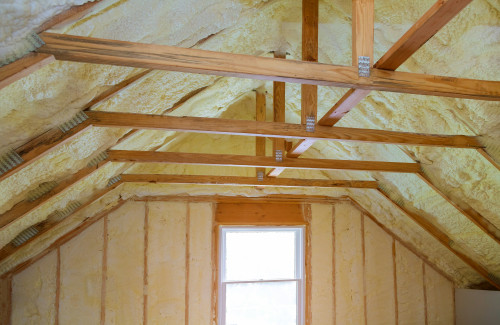
Because warm air rises, a poorly insulated attic can let a large portion of your home’s heat escape. That’s why attic insulation is often the most cost-effective energy upgrade — it’s relatively inexpensive, easy to install, and delivers immediate savings.
- Pros: Low cost, quick installation, and significant reduction in heating and cooling bills.
- Cons: Less noticeable comfort improvement on lower floors, and benefits depend on how well the rest of the home is sealed.
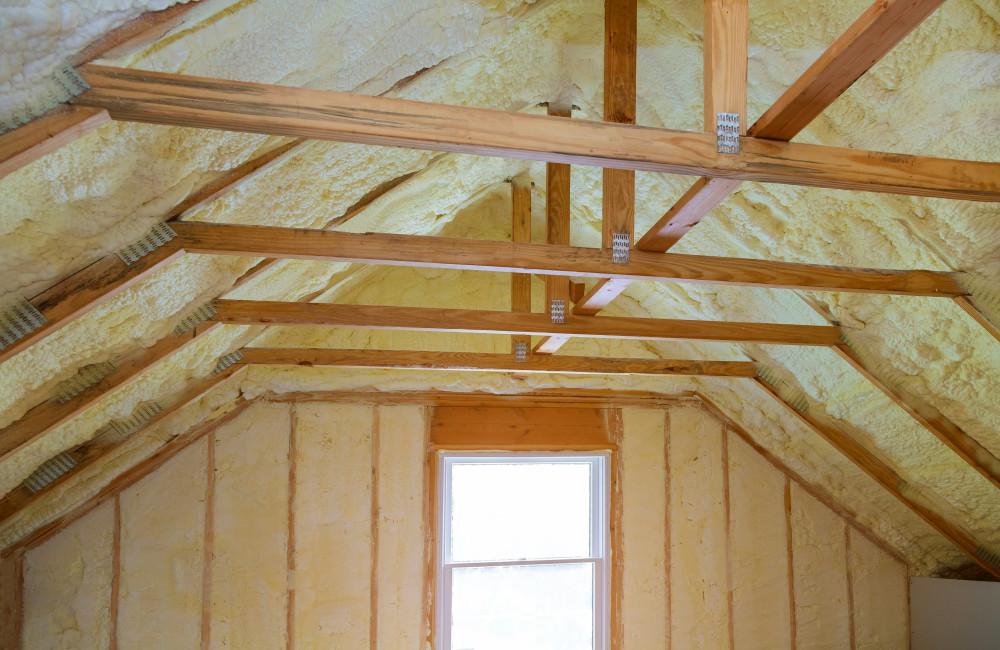
If your attic has less than about 10–14 inches of insulation (R-38 to R-49, depending on your climate zone), adding more is almost always worth it. Blown-in cellulose or fiberglass batts can dramatically reduce heat loss and help maintain a more stable indoor temperature year-round.
Floor Insulation – Comfort and Efficiency Combined
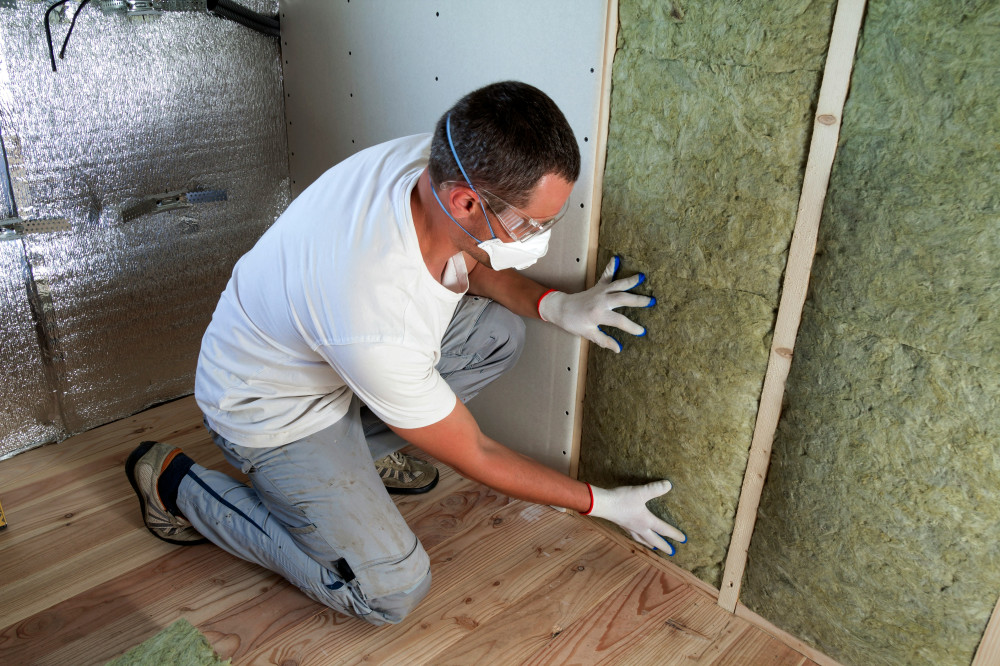
While attic insulation focuses on keeping heat in, floor insulation is about both energy savings and comfort. Cold floors can make a room feel chilly even when the thermostat says it’s warm — especially in homes with crawl spaces or unheated basements.
- Pros: Warmer floors, reduced drafts, and lower heat loss through the foundation.
- Cons: More expensive and labor-intensive, especially if the flooring must be removed.
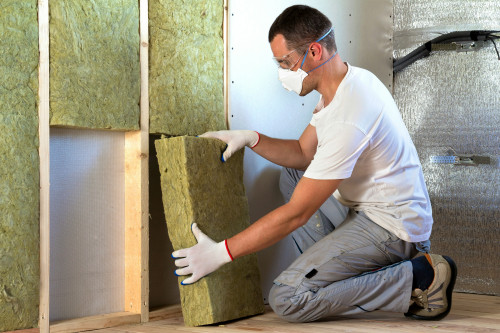
Floor insulation is most practical when you’re already planning a renovation, replacing flooring, or upgrading your heating system. In homes with accessible crawl spaces, adding insulation beneath the floor joists is relatively straightforward. For slab-on-grade homes, however, adding insulation can be more complex and is best done during major remodeling.
Which Upgrade Saves More?
As a general rule, attic insulation delivers the highest energy savings per dollar spent, while floor insulation provides the greatest comfort improvement. If your goal is to cut energy use and lower utility bills, start with the attic. If you’re more focused on comfort — especially in rooms with cold floors — the floor may be your next priority.
Typical results:
- Upgrading attic insulation can reduce heating and cooling costs by 10–20%.
- Floor insulation often saves 5–10%, but the comfort difference is immediately noticeable.
In many cases, the best approach is a combination: start with the attic for quick savings, then add floor insulation when it fits into a larger renovation plan.
Læs også:
Think Holistically
Insulation upgrades should always be part of a broader home energy strategy. Improving insulation changes how your home retains heat and moisture, so make sure your ventilation system is adequate to prevent humidity and air quality issues.
Also consider how insulation interacts with other upgrades like new windows, a heat pump, or solar panels. A whole-home approach ensures you get the best performance and return on investment — both financially and environmentally.
Step-by-Step Prioritization
- Assess your home: Schedule an energy audit or use thermal imaging to locate heat loss.
- Start with the attic: It’s the most cost-effective and impactful first step.
- Add floor insulation during renovations: Combine it with flooring or HVAC upgrades to save on labor.
- Check ventilation: Ensure your home stays dry and well-ventilated after adding insulation.
- Plan long-term: Create an energy improvement plan so you can tackle upgrades in stages.
An Investment in Comfort and Sustainability
Whether you begin with the attic or the floor, insulation is an investment that pays off — in lower energy bills, improved comfort, and a smaller carbon footprint. A well-insulated home stays warmer in winter, cooler in summer, and more comfortable all year long.
By prioritizing your upgrades wisely, you can make your home more efficient, sustainable, and enjoyable — without spending more than you need to.
Læs også: