Energy Renovation That Respects the Home’s Original Character

Energy Renovation That Respects the Home’s Original Character
When planning an energy renovation, the goal is not only to lower utility bills or reduce carbon emissions. For many homeowners, it’s just as important to preserve the home’s soul — the details, materials, and proportions that give it its original charm. A successful energy renovation strikes a balance between modern comfort and historical integrity.
Here’s how you can make your home more energy-efficient while honoring its architectural heritage.
Understand the Home’s History and Materials
Before starting any renovation, take time to understand how your home was built and what materials were originally used. A Craftsman bungalow from the 1920s, a mid-century ranch, and a Victorian farmhouse each require different approaches.
Older homes often rely on materials that “breathe” — such as wood, brick, and lime-based mortar — which allow moisture to move naturally through the structure. Replacing or covering these materials with modern, impermeable products can trap moisture and cause long-term damage.
Begin with a professional energy audit or building assessment to identify the home’s current condition, insulation levels, and potential improvements. This foundation helps you choose solutions that are both energy-smart and visually appropriate.
Insulation with Care
Insulation is often the first step in improving energy performance, but it must be done thoughtfully.
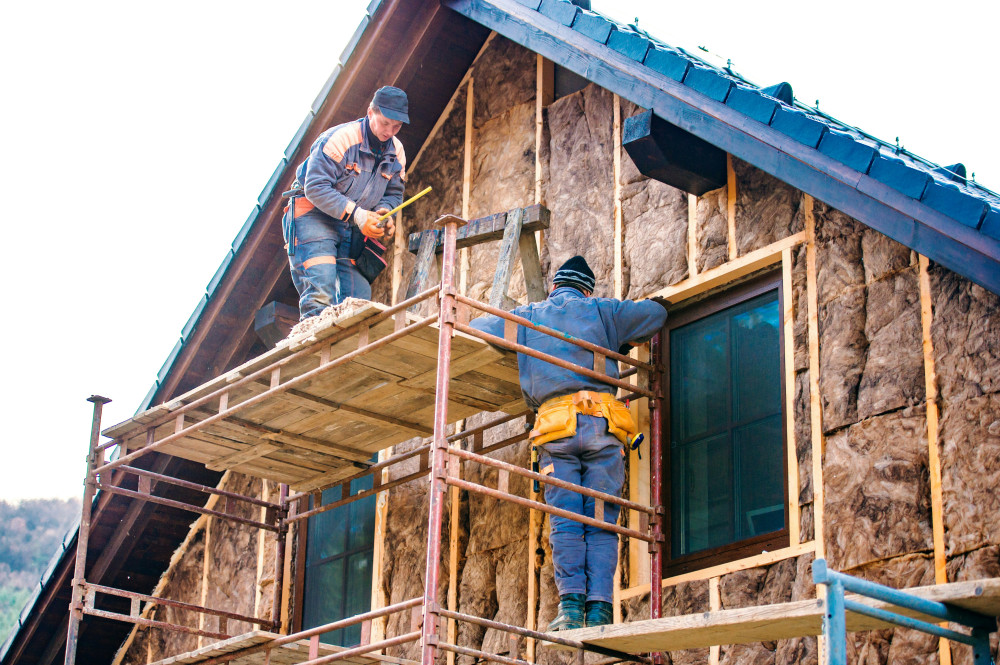
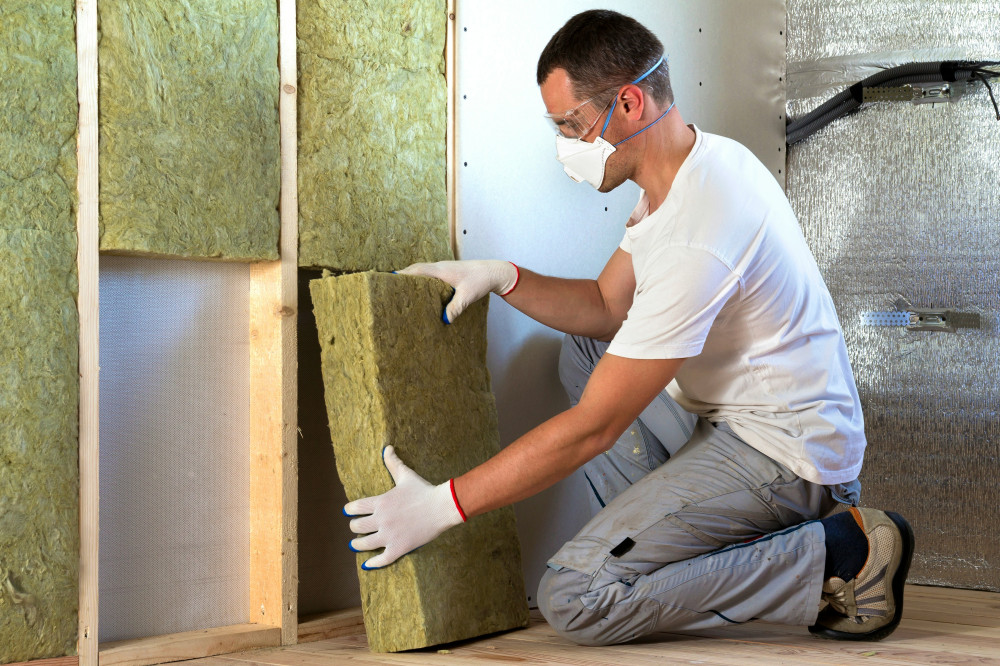
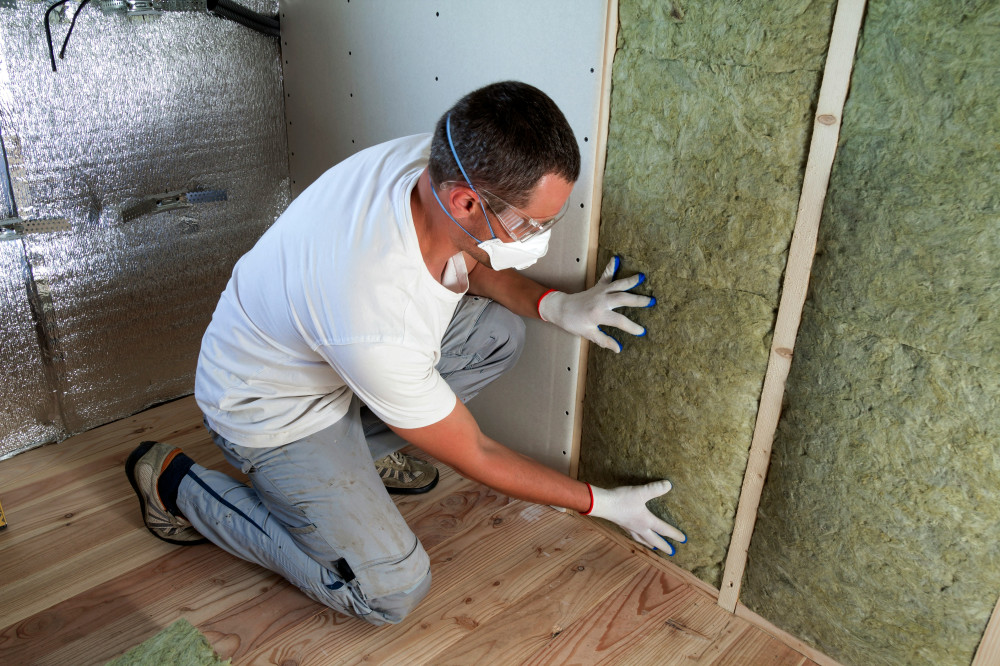
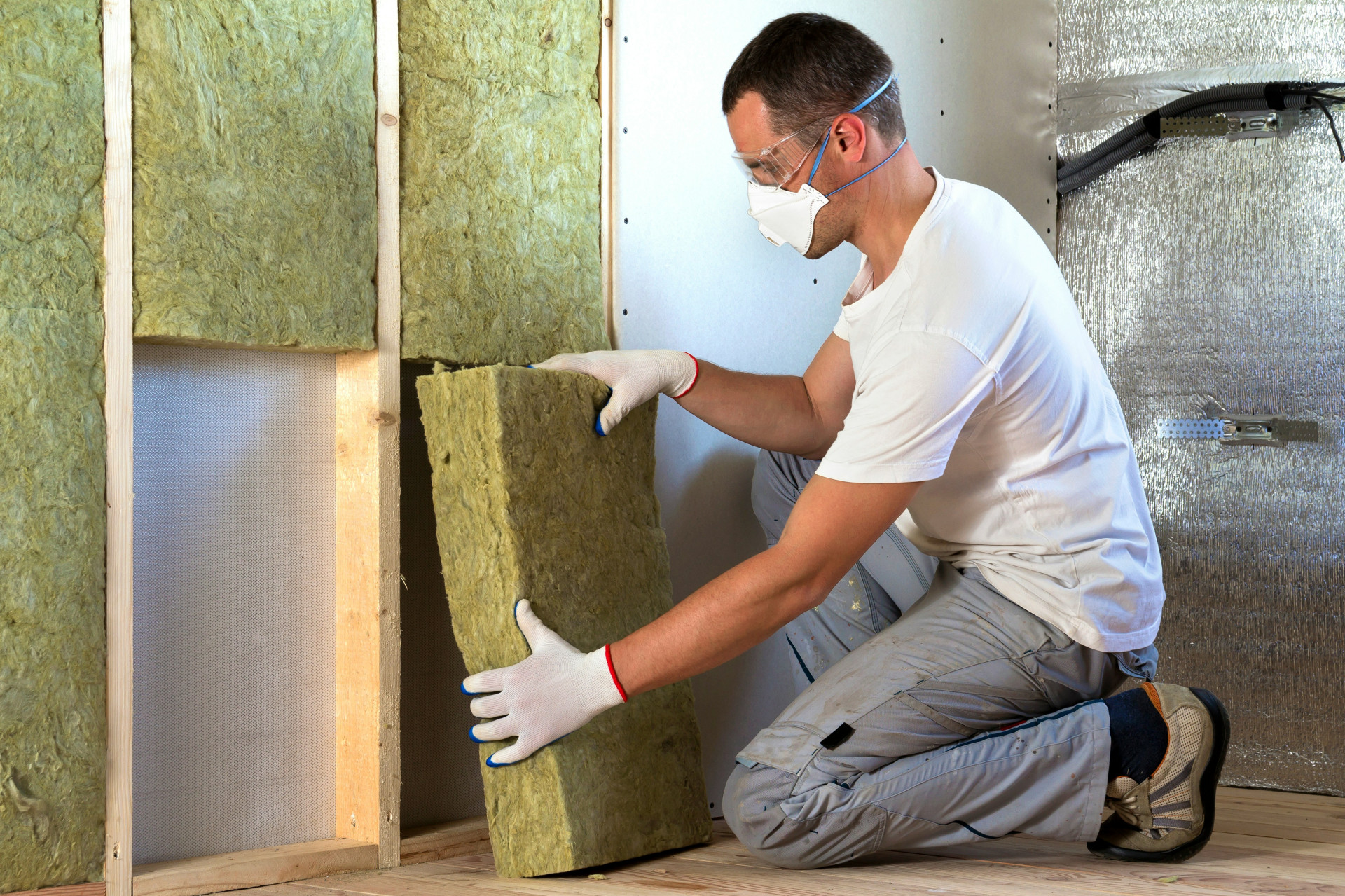
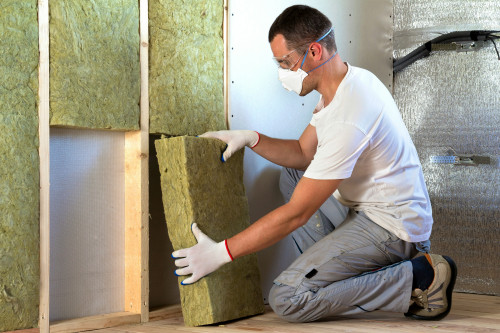
- Exterior walls: Adding insulation to the outside can dramatically change a home’s appearance, especially if it has distinctive brickwork, wood siding, or decorative trim. In such cases, interior insulation may be a better option, though it requires careful installation to prevent moisture issues.
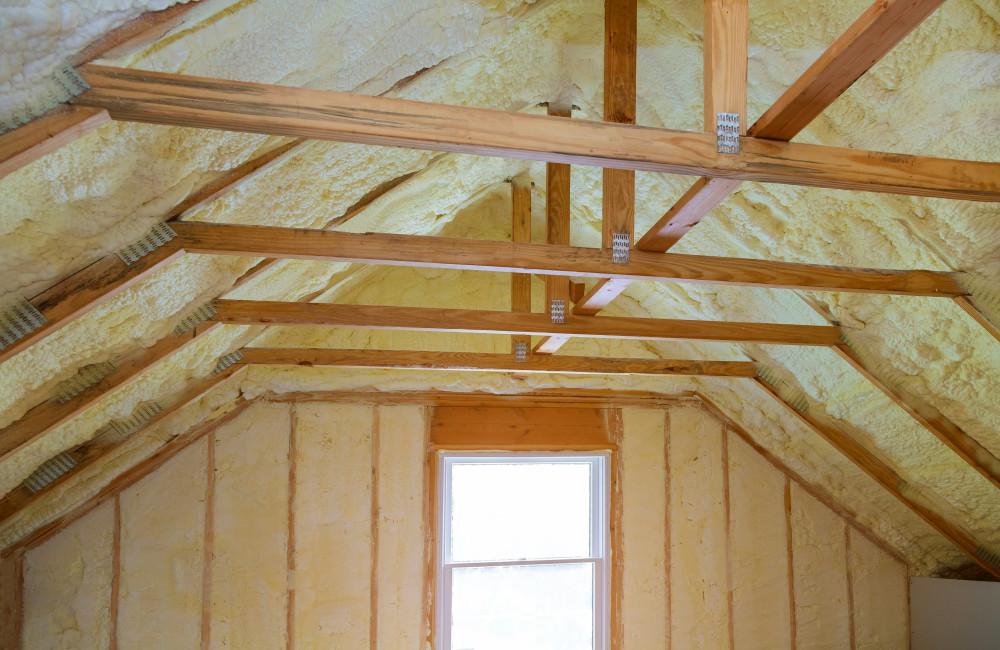
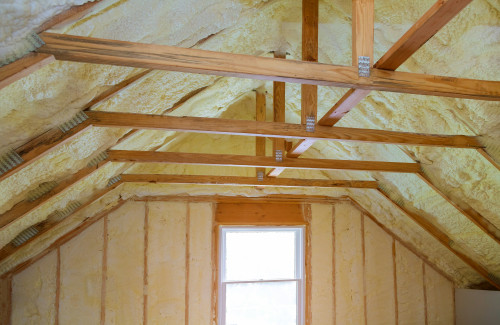
- Attic and roof: These areas can often be insulated without altering the home’s exterior. Ensure proper ventilation to avoid condensation and roof damage.
- Floors and crawl spaces: Insulating below floors can improve comfort, but be mindful of how changes affect moisture balance in older foundations.
The key is to select materials and methods that complement the home’s age and construction, maintaining both performance and authenticity.
Læs også:
Windows – Repair or Replace?
Windows are central to both energy efficiency and a home’s character. Many older windows are made from high-quality wood and can last for generations if properly maintained.
Instead of replacing them, consider energy upgrades:
- Add storm windows or energy-efficient glazing to reduce heat loss.
- Improve weatherstripping and adjust frames for a tighter seal.
- Retain original muntins and profiles to preserve the home’s authentic look.
If replacement is unavoidable, choose new windows that match the originals in material, proportion, and color — for example, wood-framed windows with historically accurate detailing.
Integrating Modern Technology Discreetly
Even in a historic home, modern technology can be added without disrupting its appearance. Heat pumps, solar panels, and ventilation systems can all be integrated with care.
- Heat pumps can be placed discreetly behind landscaping or in less visible areas.
- Solar panels can be installed on secondary roofs, garages, or integrated into roofing materials to minimize visual impact.
- Heat recovery ventilation can improve indoor air quality when designed to blend with existing structures.
The goal is to think holistically — combining technical efficiency with aesthetic sensitivity.
Collaboration Between Craftsmanship and Energy Expertise
An energy renovation that respects a home’s character requires collaboration among architects, energy consultants, and skilled tradespeople familiar with older buildings.
The best results come from combining traditional craftsmanship with modern knowledge. A mason who understands lime mortar or a carpenter skilled in window restoration can often deliver solutions that save energy while preserving the home’s spirit.
An Investment in Both Future and Heritage
Energy renovation is not just about economics — it’s also an investment in cultural heritage and quality of life. A home that retains its original character often has a warmth and authenticity that new materials and standard solutions can’t replicate.
By blending respect for the past with responsibility for the future, you can create a home that is beautiful, sustainable, and comfortable — a place that honors its history while embracing modern living for years to come.
Læs også: