When Aesthetics Meet Comfort: Choose Furniture That Looks Great and Feels Right

When Aesthetics Meet Comfort: Choose Furniture That Looks Great and Feels Right
When we decorate our homes, most of us dream of furniture that’s both beautiful to look at and comfortable to use. But finding that balance between aesthetics and comfort isn’t always easy. A piece might look stunning in a showroom or online, yet feel awkward or impractical once you bring it home. The best interiors happen when form and function work together. Here’s how to choose furniture that looks great and feels right.
Start by Feeling, Not Just Seeing
It’s easy to be swept away by glossy photos on social media or in design magazines, but true comfort can only be judged in person. Comfort is about more than soft cushions—it’s about support, proportions, and materials that suit your body and lifestyle.
When you’re shopping, take your time. Sit down, lean back, and notice how the piece feels. Imagine using it for hours at a time. A beautiful design quickly loses its charm if it doesn’t feel good in daily life.
Materials That Appeal to Both the Eye and the Body
The materials you choose influence both the look and the comfort of your furniture. Natural materials like wood, wool, and leather bring warmth and character, while modern materials like metal and molded plastic can create a sleek, contemporary vibe. Combining the two can add depth and contrast to your space.
- Wood adds an organic, calming presence—perfect for dining tables and chairs where you want a sense of natural warmth.
- Upholstery in fabric or leather affects both comfort and style. Fabric feels cozy and inviting, while leather is durable and develops a rich patina over time.
- Metal accents can lend a modern edge, but use them thoughtfully so the room doesn’t feel too cold or industrial.
Also consider how materials age. A piece that grows more beautiful with time is often a better investment than one that quickly shows wear.
Functionality as a Design Feature
A well-designed piece of furniture should not only look good—it should make your life easier. Think about how you use your space and choose pieces that support your routines. A sectional with washable covers might be ideal for families, while an extendable dining table offers flexibility for entertaining.
Designers often talk about “honest functionality”—the idea that a piece should show what it does without unnecessary decoration. That doesn’t mean it has to be plain; it means its beauty comes from thoughtful design and purpose.
Create Balance in the Room
Even the most beautiful furniture can lose its impact if it doesn’t fit the space. Think about the overall composition of your room. Too many heavy pieces can make a space feel cramped, while too many light, airy ones can make it feel ungrounded.
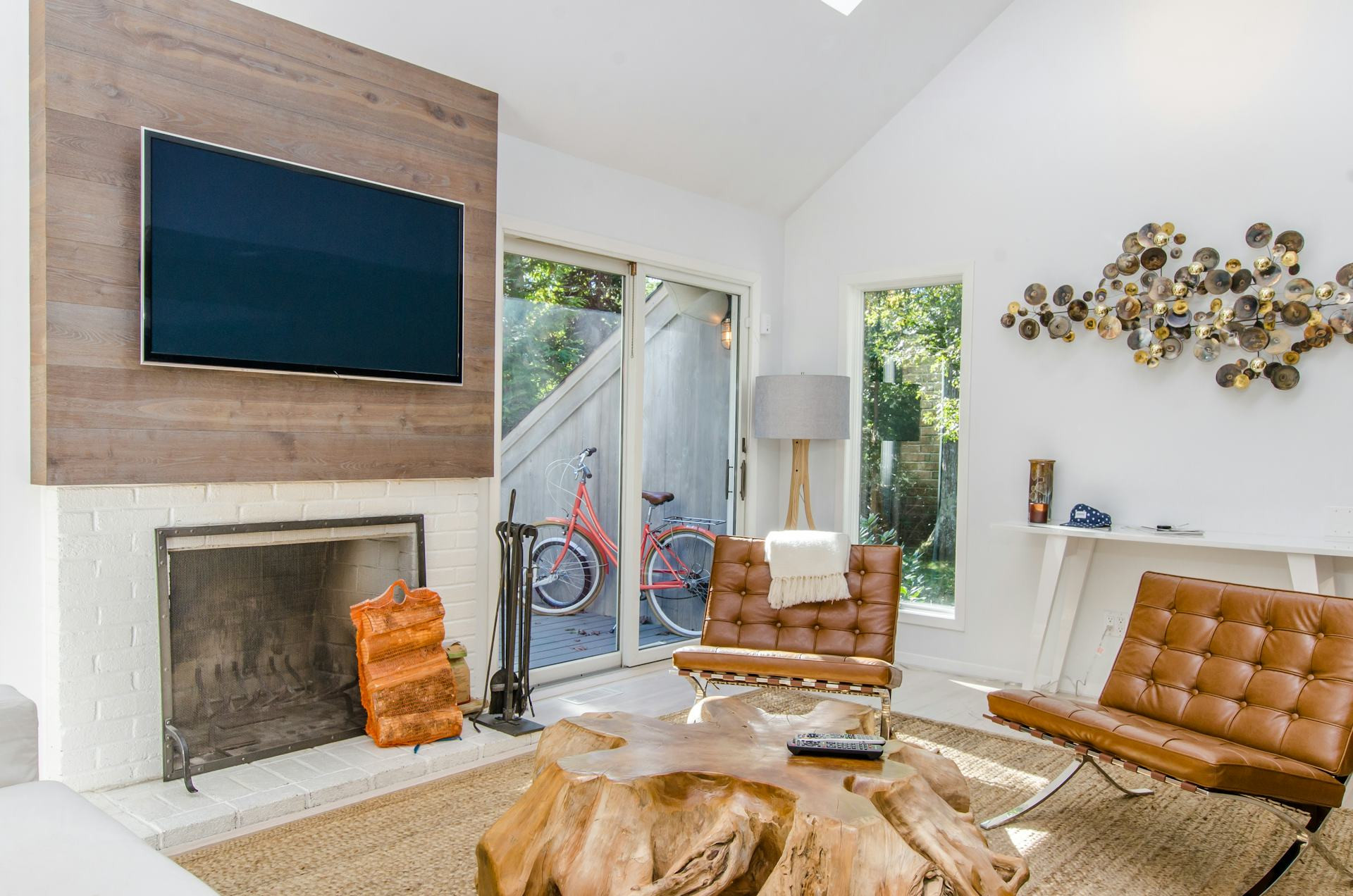
Use contrast intentionally: a plush sofa paired with a rustic coffee table, or a minimalist chair placed in a colorful corner. These combinations create visual interest and energy. And remember—empty space is part of good design too. It gives the eye a place to rest and helps your favorite pieces stand out.
Invest in Quality—and in Yourself
Quality furniture costs more, but it pays off over time. A well-made piece not only lasts longer but also brings daily satisfaction that cheaper alternatives rarely match. Think of your furniture as an investment in your well-being. A great chair or sofa should be something you use, love, and maybe even pass down one day.
Consider buying fewer, better pieces. It leads to a more harmonious home and a more sustainable lifestyle.
Læs også:



Add Your Personal Touch
Even the most carefully designed space comes alive only when it reflects you. A throw blanket, a vintage find, or a bold pillow can transform a room and make it feel uniquely yours. It’s not about following trends—it’s about creating a home that tells your story.
When aesthetics meet comfort, you create more than just a stylish space—you create a home that feels as good as it looks.
Læs også: