Open Floor Plans – How to Create Harmony in Large Spaces

Open Floor Plans – How to Create Harmony in Large Spaces
Open floor plans have become a hallmark of modern American homes. They bring in light, air, and a sense of spaciousness that fits perfectly with today’s casual lifestyle. But while open layouts feel inviting, they can also be tricky to design. How do you make a large, open space feel warm, cohesive, and functional without losing its airy charm? Here’s how to create harmony and comfort in your open-concept home.
Define Zones with Furniture and Materials
In an open floor plan, walls are replaced by purpose. Instead of thinking in terms of rooms, think in terms of zones — areas for cooking, dining, relaxing, or working.
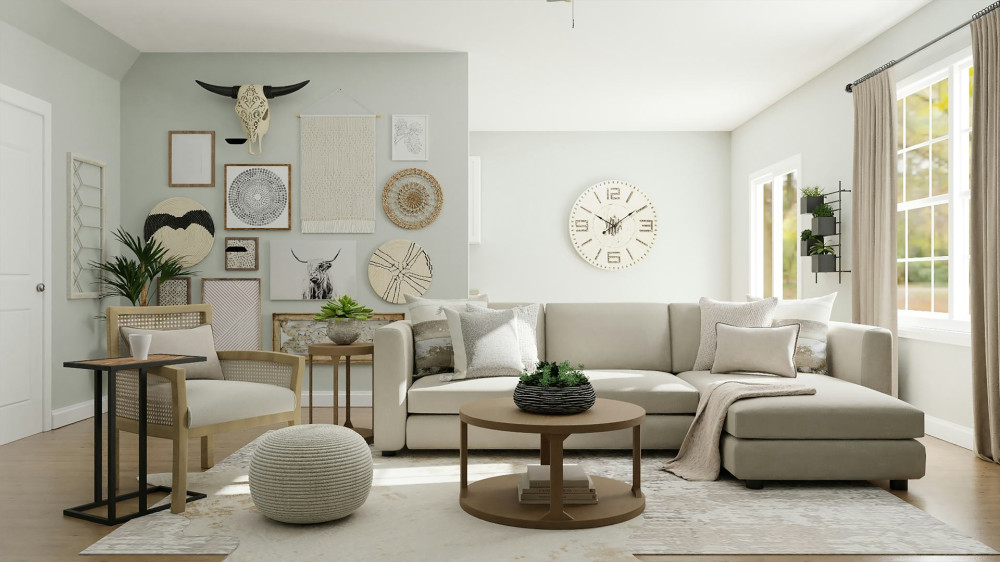
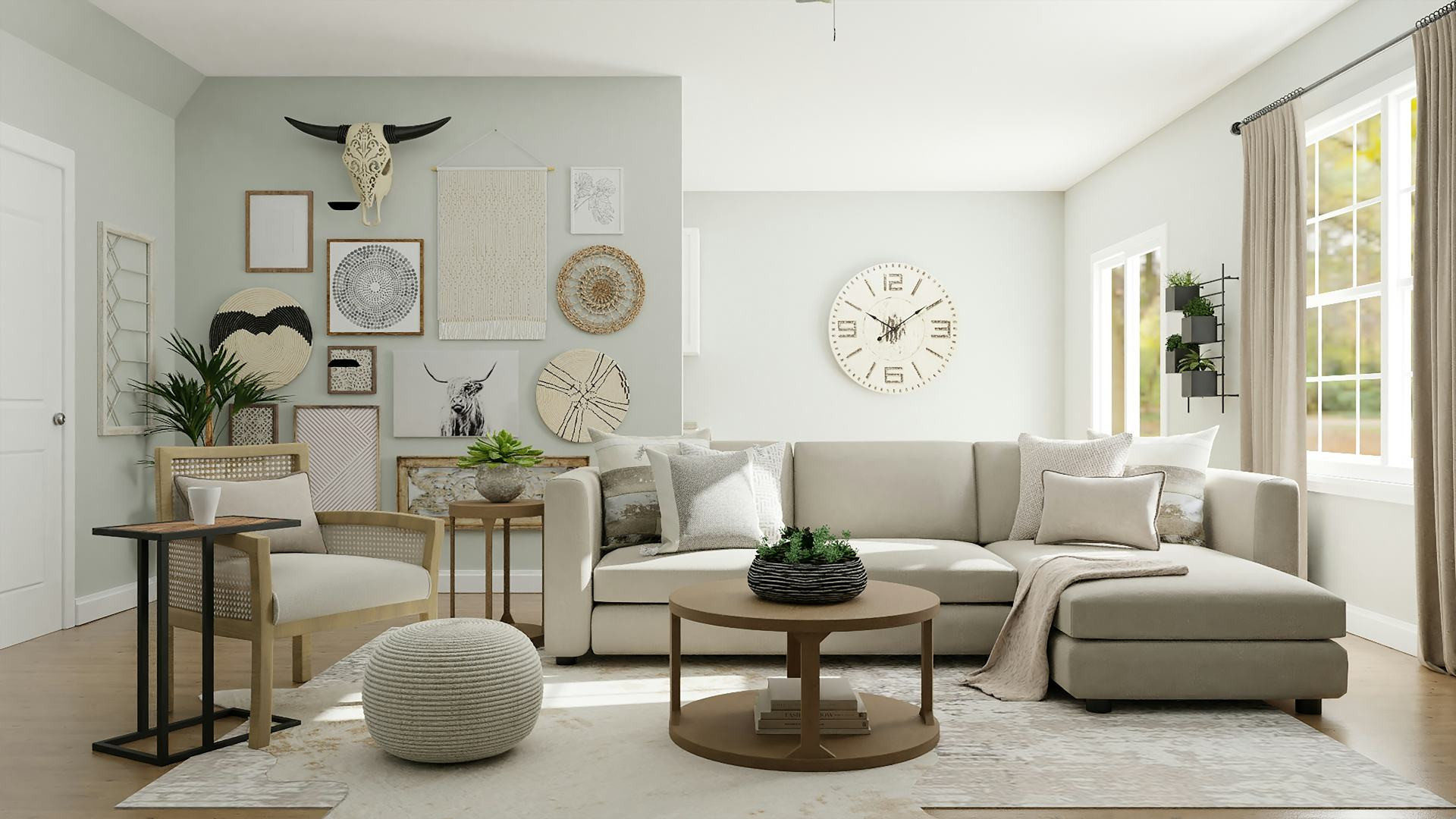
- Use furniture as dividers. A sectional sofa can subtly separate the living area from the dining space. A console table or open shelving unit can define boundaries while keeping sightlines open.
- Layer with rugs. Area rugs help anchor each zone and add texture underfoot. Choose different patterns or weaves, but keep the color palette consistent to maintain flow.
- Light with intention. Pendant lights over the dining table, recessed lighting in the kitchen, and floor lamps in the living area help signal each zone’s function while adding warmth and depth.
By using visual cues instead of walls, you can maintain openness while giving each area its own identity.
Use Color and Texture to Tie It All Together
When multiple functions share one large space, consistency is key. A unified color scheme and repeated materials help the eye move smoothly from one area to another.
Start with a base palette of two or three complementary colors — perhaps soft neutrals, warm earth tones, or muted blues and greens. Then add accents through pillows, artwork, or decorative objects for personality and contrast.
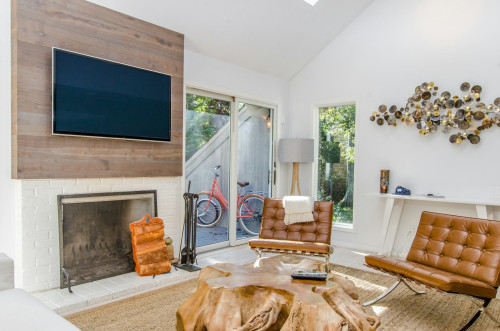
Incorporate natural materials like wood, leather, and stone to bring warmth and texture. Mix in glass or metal for a modern edge. Repeating materials — for example, the same wood tone in your dining table and shelving — creates a sense of continuity and calm.
Don’t Forget Acoustics and Comfort
Large, open spaces can easily become echo chambers, especially with hard surfaces like tile, glass, and drywall. Good acoustics are essential for comfort and livability.
To soften sound:
- Hang curtains or drapes made from sound-absorbing fabrics.
- Add large rugs or runners to break up hard flooring.
- Choose upholstered furniture and wall art to help absorb noise.
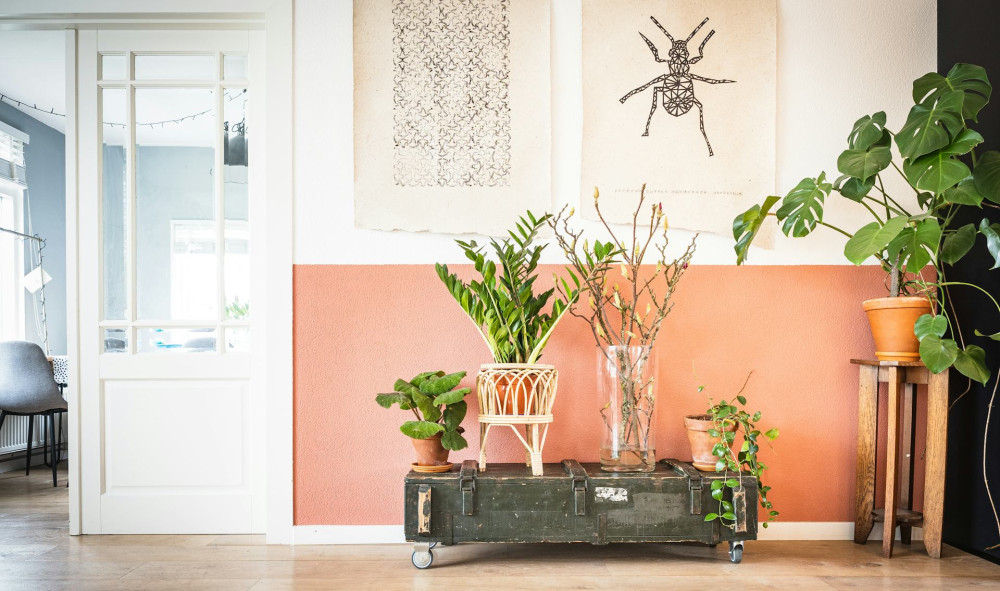
Houseplants can also make a difference — they not only improve air quality but also help diffuse sound and bring life to the space.
Balance Light and Privacy
One of the biggest perks of open layouts is the abundance of natural light. But too much light can cause glare or make it hard to create a cozy atmosphere.
Consider layered window treatments such as sheer curtains paired with shades or blinds. This allows you to control brightness throughout the day. Combine multiple layers of artificial lighting — overhead fixtures, sconces, and table lamps — to adjust the mood as needed.
If you want a bit more separation without losing light, half walls or glass partitions can provide subtle division while keeping the space bright and connected.
Læs også:


Add Personality Without Clutter
Open spaces can sometimes feel impersonal if everything looks too uniform. The key is to add character without overwhelming the eye.
Display artwork, books, or travel mementos that reflect your story. Mix textures — a chunky knit throw, a woven basket, a smooth ceramic vase — to add depth and warmth. At the same time, keep surfaces tidy. In open layouts, clutter is instantly visible and can make the space feel chaotic.
A good rule of thumb: leave some breathing room. Empty surfaces and simple lines give the eye a place to rest, allowing your favorite pieces to stand out.
When Function Meets Aesthetics
A successful open floor plan balances practicality with beauty. It should support everyday life — cooking, relaxing, entertaining, even working from home — while feeling cohesive and serene.
By defining zones, repeating colors and materials, managing light and acoustics, and adding personal touches, you can create a home that feels both open and harmonious. The result is a space that’s not just large, but truly livable — a place where openness feels warm, not empty.
Læs også: