Ventilation in Older Buildings – Effective Solutions Without Major Renovations

Ventilation in Older Buildings – Effective Solutions Without Major Renovations
Older buildings often have a unique charm – high ceilings, solid craftsmanship, and architectural details that tell a story. But they also come with challenges, especially when it comes to indoor air quality and ventilation. Many homes and apartments built before the 1960s were designed without mechanical ventilation, which can lead to moisture buildup, mold, and stale air. Fortunately, there are modern solutions that can significantly improve ventilation without requiring major renovations.
Why Ventilation Matters – Even in Historic Homes
In older buildings, natural ventilation was once part of the design. Windows were less airtight, and chimneys created a natural draft that kept air circulating. Over time, as we’ve added insulation, replaced windows, and sealed gaps to improve energy efficiency, we’ve also reduced the natural airflow. The result can be damp rooms, condensation on windows, and a heavy, stagnant atmosphere.
Proper ventilation removes moisture and pollutants while bringing in fresh air. It protects both the building and the health of its occupants – and can even help reduce heating costs, since dry air is easier to warm than humid air.
Small Steps with Big Impact
You don’t need to tear down walls or install large duct systems to improve ventilation. In many cases, small, targeted upgrades can make a noticeable difference.
- Trickle vents in window frames allow a steady flow of fresh air without drafts. They can be added to existing windows and are nearly invisible from the outside.
- Wall vents or air bricks can provide controlled airflow through exterior walls, helping to balance humidity levels.
- Exhaust fans in bathrooms and kitchens remove moisture and odors efficiently. Choose models with humidity sensors so they run only when needed.
- Natural airing – opening windows wide for a few minutes a couple of times a day – remains one of the simplest and most energy-efficient ways to refresh indoor air.
These solutions require little maintenance and can often be installed by a homeowner or a local contractor in just a few hours.
Decentralized Ventilation – Modern Technology for Old Structures
One of the most effective modern options is decentralized ventilation. These are compact units installed directly through an exterior wall in individual rooms. They don’t require ductwork and can be added one at a time, making them ideal for older homes where you want to avoid major construction.
Many models include heat recovery technology, which captures warmth from outgoing air and transfers it to the incoming fresh air. This means you can enjoy better air quality without losing heat – a major advantage during the winter months.
Bathroom Ventilation – A Key Area to Address
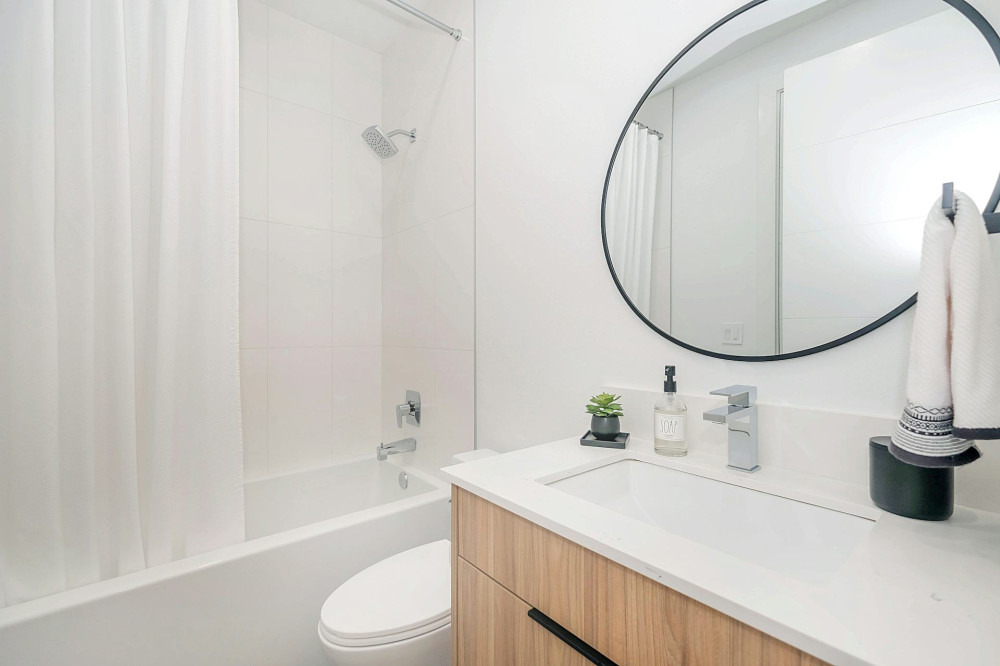
Bathrooms are often the biggest source of moisture problems in older buildings. Without proper exhaust, steam from showers and baths can quickly lead to peeling paint, mildew, and even structural damage. A humidity-controlled fan is a simple and effective solution. It automatically turns on when humidity rises and shuts off once the air is dry again.
If your home already has an older fan, replacing it with a modern, quiet, energy-efficient model can make a big difference. The upgrade usually takes less than an hour and can dramatically improve comfort and air quality.
Læs også:
Preserving Character While Improving Comfort
When upgrading ventilation in an older building, the goal is to find solutions that respect the home’s architecture. Many modern products are designed with aesthetics in mind – they can be integrated discreetly, maintaining the building’s original appearance.
It’s often worth consulting an energy auditor or building specialist to assess where ventilation improvements are most needed and which solutions best fit your home’s structure. This ensures you get the benefits of fresh air and moisture control without compromising the building’s historic charm.
A Healthier Home – Without Major Costs
Creating a healthy indoor environment doesn’t have to mean major renovations or high expenses. With a combination of natural airing, small ventilation openings, and possibly decentralized systems, you can achieve a comfortable, balanced indoor climate – even in a home that’s more than a century old.
Ultimately, good ventilation is about balance: bringing in fresh air and removing moisture without losing heat or altering the character of your home. With the right approach, you can preserve the beauty of the past while enjoying the comfort and health benefits of modern living.
Læs også: