Bathtub Surface: Appearance, Durability, and Maintenance


Bathtub Surface: Appearance, Durability, and Maintenance
A bathtub is more than just a functional fixture—it’s a centerpiece that defines the look and feel of your bathroom. The surface of the tub plays a key role in its appearance, comfort, and longevity. Whether you’re shopping for a new tub or trying to keep your current one looking its best, it’s worth understanding the differences between materials, finishes, and maintenance methods.
Materials and Appearance
Bathtubs come in a variety of materials, each with its own aesthetic and practical qualities.
- Acrylic – A popular choice in modern American homes. The surface is smooth, warm to the touch, and available in many shapes and colors. Acrylic tubs are lightweight and stylish but can be more prone to scratches.
- Cast iron with enamel coating – A timeless classic. The glossy enamel surface gives a rich, traditional look and a solid feel. However, cast iron tubs are heavy and may require reinforced flooring.
- Steel tubs – Lighter than cast iron but with a similar glossy finish. They are durable and affordable, though they can feel colder to the touch and may chip if struck hard.
- Composite and stone materials – Options like solid surface, cultured marble, or stone resin offer a luxurious matte finish and a soft, natural feel. They tend to be more expensive but are highly durable and can often be repaired if damaged.
Choosing the right material depends on both style and practicality. An acrylic tub suits a sleek, contemporary bathroom, while an enameled cast iron tub fits beautifully in a traditional or vintage-inspired space.
Durability and Wear Resistance
The durability of a bathtub’s surface depends on both the material and how it’s used. Enamel and composite surfaces resist heat and chemicals better than acrylic, but they can chip or crack if something heavy is dropped. Acrylic, on the other hand, may scratch more easily but can often be polished back to a smooth finish.
To preserve the surface, avoid abrasive cleaners, steel wool, or rough sponges. Even small scratches can collect soap scum and mineral deposits over time, making cleaning more difficult.
A simple habit—rinsing the tub with clean water after each use and wiping it dry with a soft cloth—can go a long way toward preventing buildup and keeping the surface shiny.
Maintenance and Cleaning
Regular maintenance is the key to keeping your bathtub looking new for years.
- Acrylic tubs should be cleaned with mild, non-abrasive liquid cleaners and a soft sponge. Avoid alcohol-based or solvent cleaners.
- Enameled tubs can handle slightly stronger cleaners, but still avoid scouring powders. A mixture of white vinegar and water works well for removing mineral deposits without damaging the surface.
- Composite tubs can often be lightly sanded and polished to remove small scratches—a major advantage for long-term upkeep.
If your older tub has lost its shine, professional refinishing or re-enameling can restore its appearance. This is often a more affordable and eco-friendly option than replacing the entire tub.
Repairing Minor Damage
Even with careful use, small damages can occur. A scratch in an acrylic tub can often be repaired with a kit that includes fine sandpaper and polishing compound. For enamel surfaces, touch-up paints are available to cover small chips.
Always follow the manufacturer’s instructions carefully—improper repair methods can make the damage worse. For larger cracks or chips, it’s best to consult a professional to determine whether the tub can be safely repaired.
Læs også:
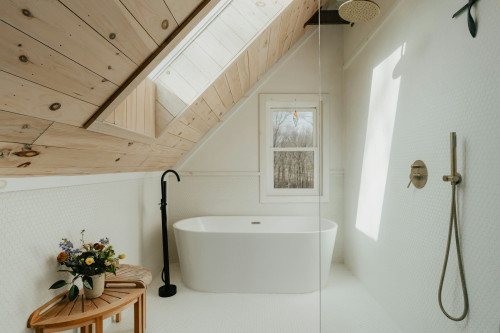


A Bathtub That Lasts for Years
A bathtub is an investment in both comfort and design. With the right care, its surface can maintain its beauty and functionality for decades. Choose a material that fits your lifestyle, treat it gently, and give it regular attention—you’ll enjoy a clean, inviting bathtub for many years to come.
Læs også: