Vacuum Your Child’s Room Safely – Step-by-Step Guide

Vacuum Your Child’s Room Safely – Step-by-Step Guide
A child’s room is often the most active space in the house—filled with toys, creativity, and plenty of little things that end up on the floor. But cleaning it requires extra care. Kids spend a lot of time close to the ground, and dust, allergens, and small objects can pose risks if not handled properly. Here’s a step-by-step guide to vacuuming your child’s room safely and effectively.
1. Prepare the Room – Pick Up Toys and Small Items
Before turning on the vacuum, take a few minutes to tidy up. Pick up small toys, building blocks, beads, and other loose items that could get sucked up or jam the vacuum. This protects both the vacuum and your child’s belongings—and makes cleaning more thorough.
Check under the bed, behind furniture, and in corners where small items tend to hide. If your child is old enough, involve them in the cleanup. It teaches responsibility and makes cleaning a shared activity.
Læs også:
2. Choose the Right Vacuum and Attachments
Not all vacuums are equally suited for a child’s room. Choose a model with strong filtration—ideally one with a HEPA filter, which traps fine dust and allergens. This is especially important if your child has allergies or asthma.
Use the right attachment for the floor type:
- Carpeted floors: Use a rotating brush head to lift dirt, dust, and pet hair.
- Hardwood or laminate floors: Use a soft-bristle or bare-floor attachment to avoid scratches.
Avoid using high suction on lightweight rugs—it can damage them or pull in the edges.
3. Start with High Surfaces
Even though it’s called “vacuuming,” start by dusting higher surfaces like shelves, window sills, and toy storage units. Use a microfiber cloth or duster so the dust doesn’t just spread around. This way, any dust that falls will end up on the floor, ready to be vacuumed later.
Wipe down surfaces your child frequently touches or plays on, such as small tables or chairs.
4. Vacuum Systematically – Corner to Corner
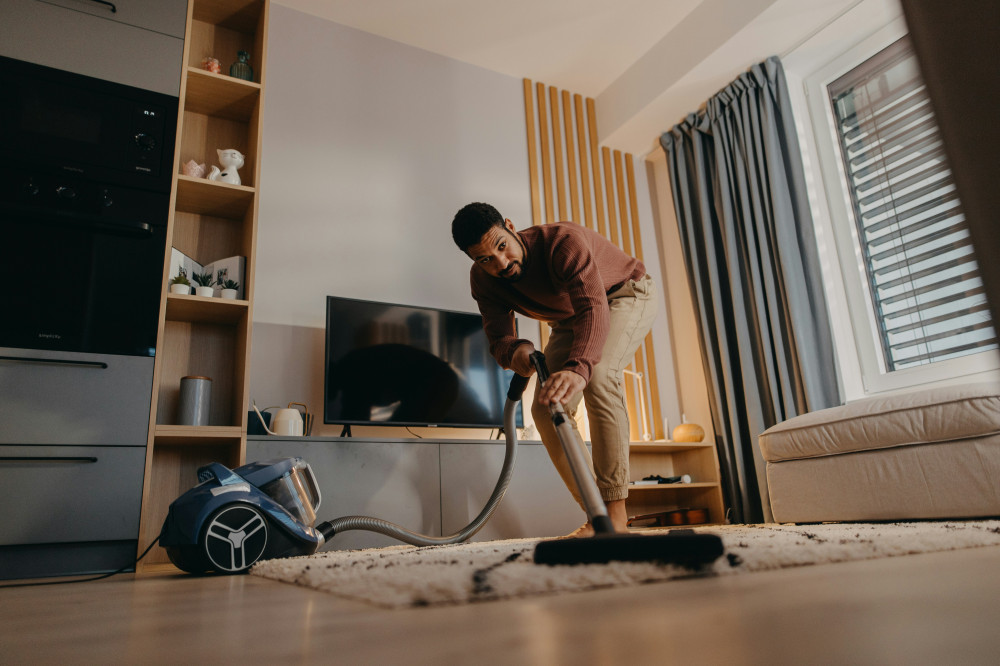
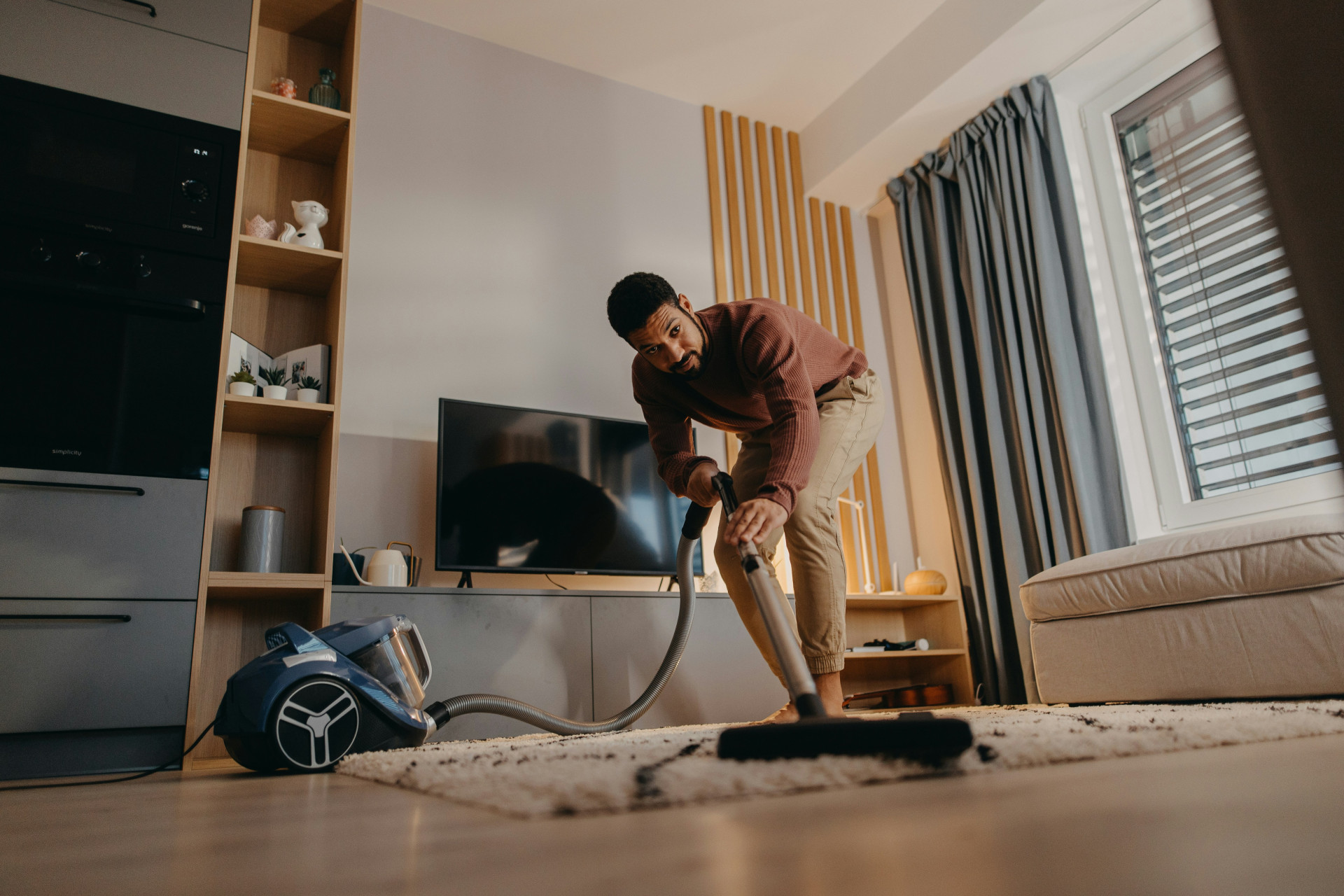
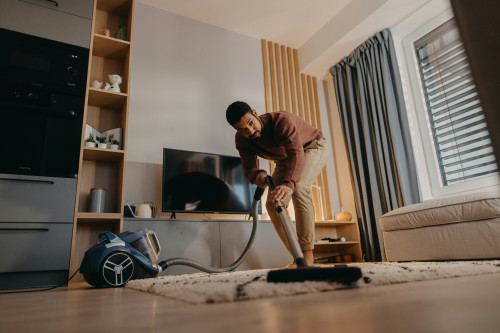
When you start vacuuming, move through the room in an organized way. Begin at the farthest corner and work your way toward the door so you don’t walk over cleaned areas.
Get under the bed, behind furniture, and into corners. Use a crevice tool for tight spots. If your child has a play rug with roads or patterns, lift it and vacuum both sides—dust often collects underneath.
5. Don’t Forget Soft Surfaces
Stuffed animals, pillows, and curtains can trap dust and allergens. Vacuum them gently with an upholstery attachment, or wash them regularly according to the care label. Many plush toys can be machine-washed on a gentle cycle.
If your child has a fabric canopy or tent, vacuum or shake it out outdoors every so often.
6. Check the Vacuum Bag and Filter
A full bag or clogged filter reduces suction and can blow dust back into the air. Empty or replace the bag regularly, and clean or replace filters as needed. This keeps your vacuum working efficiently and extends its lifespan.
If you use a bagless vacuum, empty the dust bin outside to prevent dust from re-entering the room.
7. Keep Cleaning Child-Safe
Safety matters when cleaning a child’s room:
- Keep the power cord out of the way to prevent tripping.
- Never leave the vacuum running unattended.
- Avoid using strong cleaning chemicals near your child—vacuuming and light dusting are usually enough.
If your child is around, make it fun! Let them “help” with a toy vacuum or a small handheld one. Turning cleaning into a game can make it less stressful and more enjoyable.
8. Finish with Fresh Air
When you’re done, open a window for 5–10 minutes to let fresh air circulate. This helps remove any lingering dust and leaves the room feeling clean and airy. If your child has pollen allergies, skip this step on high-pollen days.
A clean, fresh room isn’t just nice to look at—it creates a healthier, more comfortable space for your child to play, learn, and rest.
Læs også: