Smart Appliances and Apps: Are You Ready for the Digital Home Life?

Smart Appliances and Apps: Are You Ready for the Digital Home Life?
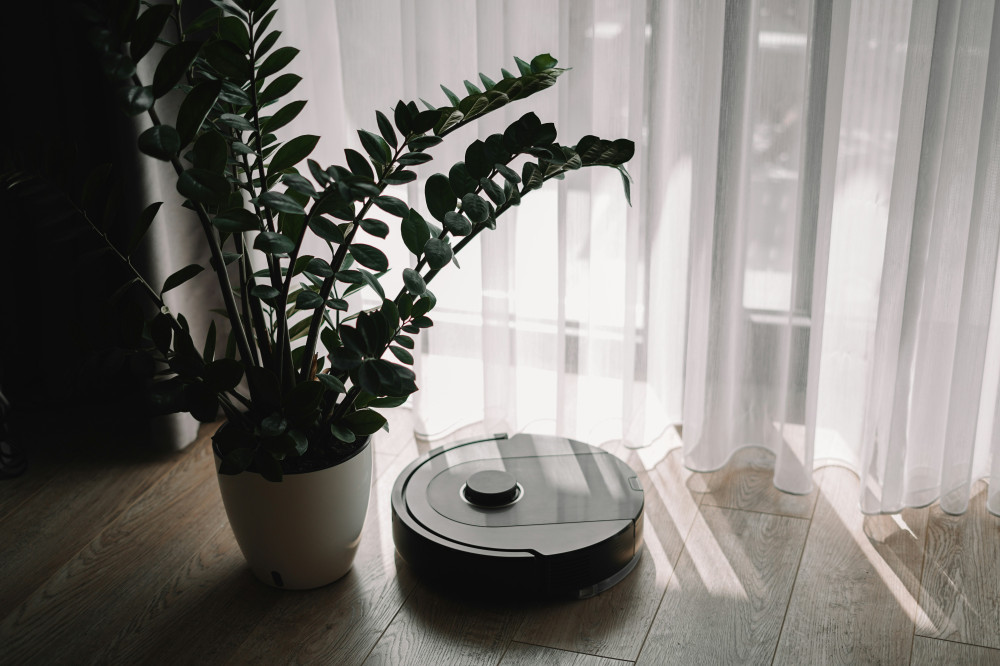
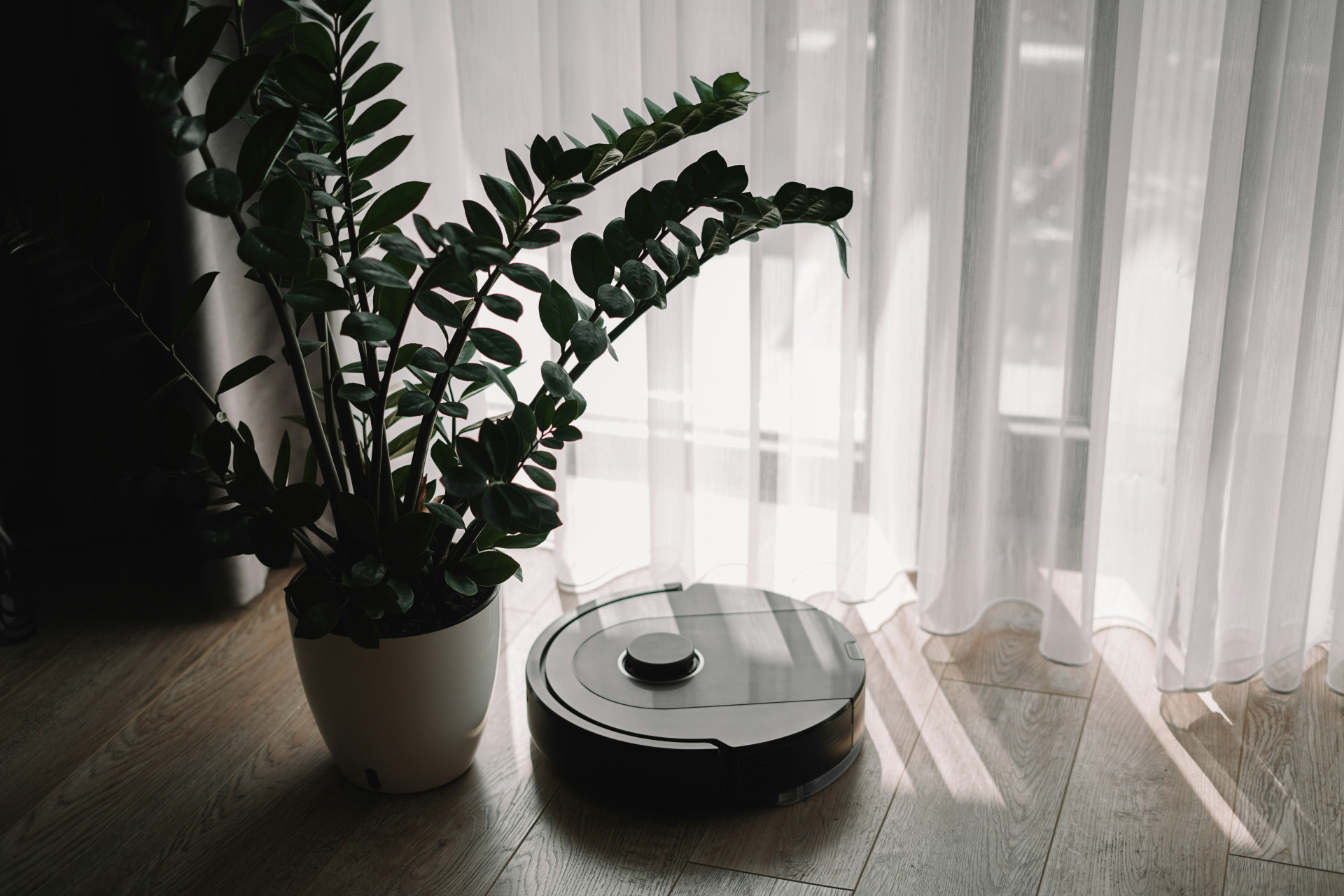
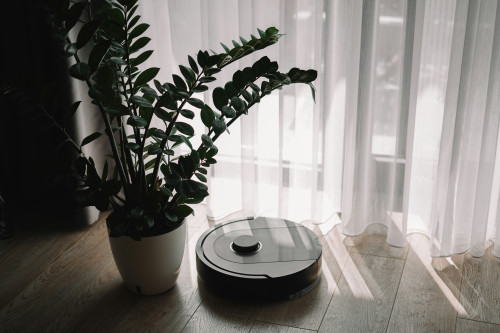
Refrigerators that remind you to buy milk, ovens you can preheat from your phone, and robot vacuums that clean while you’re at work — the digital home is no longer a futuristic dream. Smart appliances and apps are becoming part of everyday life for many Americans, but the technology is evolving fast, and it can be hard to keep up. What does this shift mean for your daily routine, and how can you make the most of it?
What Makes an Appliance “Smart”?
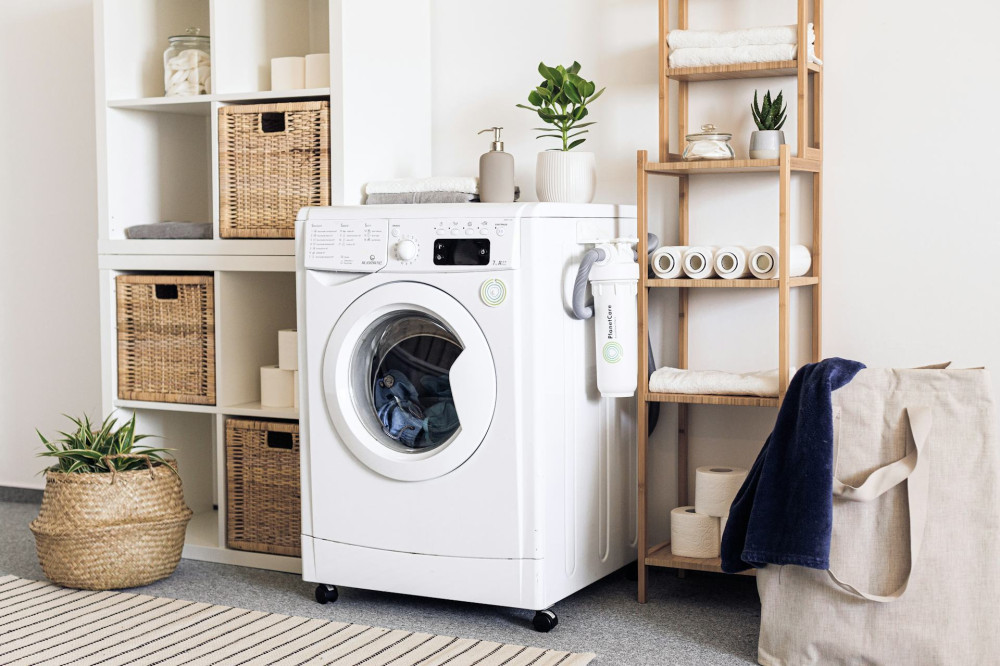
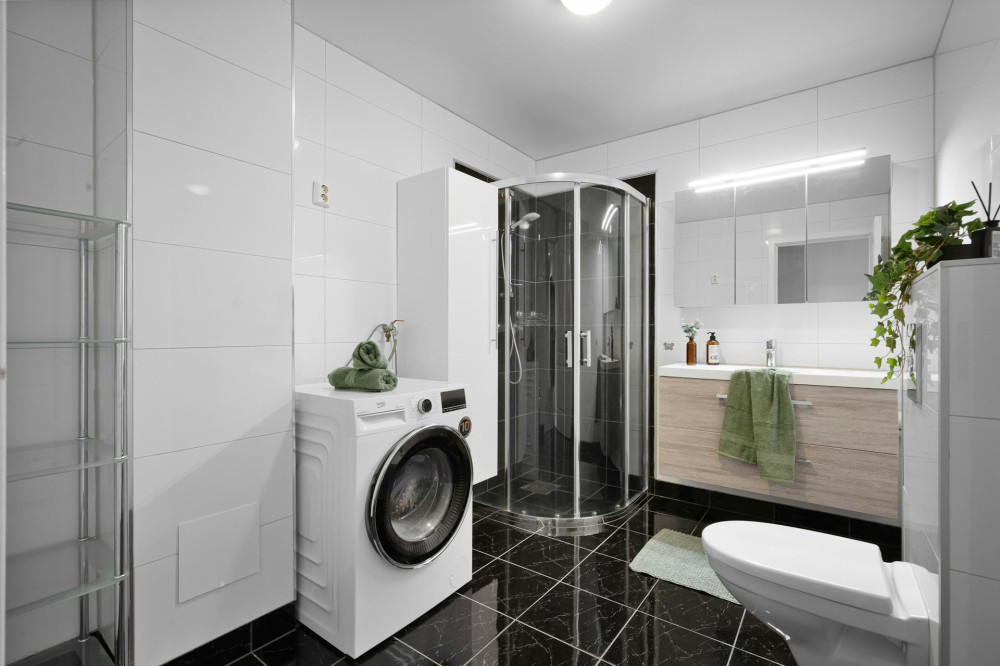
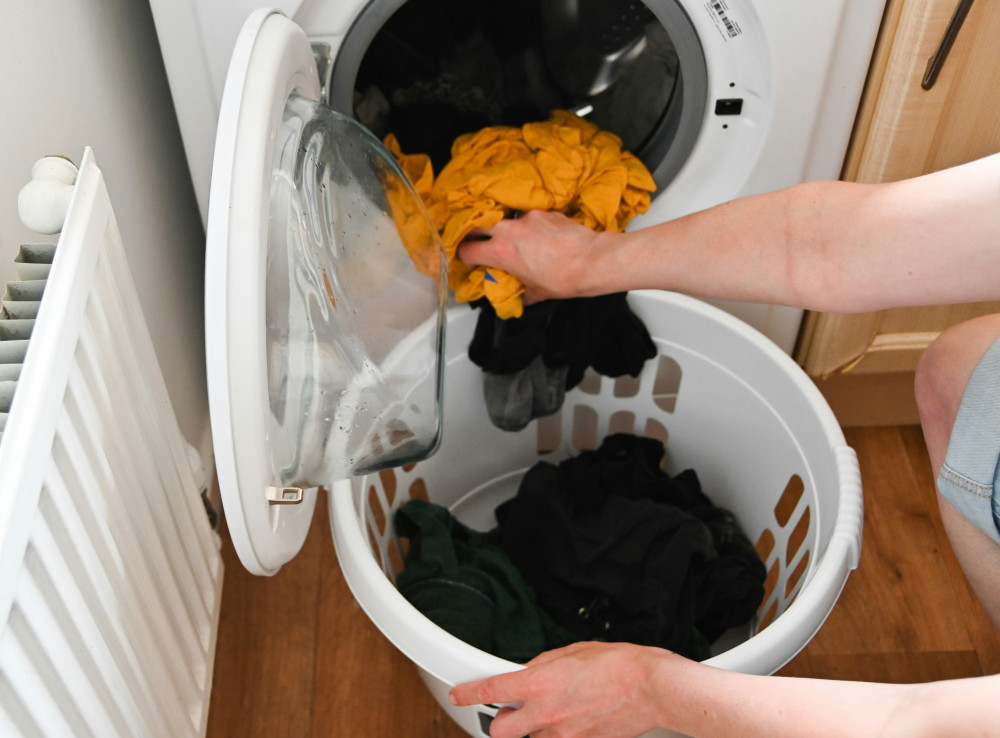
A smart appliance connects to the internet and can be controlled through an app, voice commands, or automated settings. It might be a washing machine that adjusts its cycle based on the load, a coffee maker that starts brewing when your alarm goes off, or a thermostat that learns your schedule and adjusts the temperature automatically.
Most smart devices can communicate with each other through a shared platform — often managed through a single app on your smartphone. That means you can monitor energy use, get alerts when the laundry is done, or start the dishwasher while you’re still at the office.
The Benefits: Convenience, Control, and Energy Efficiency
The biggest advantage of smart home technology is convenience. You can manage household tasks remotely, schedule routines, and gain a new level of control over your home environment. But there are other benefits too:
- Energy savings: Many smart appliances help you use electricity and water more efficiently. Some can even adjust their operation based on real-time energy prices or your utility’s peak hours.
- Maintenance reminders: Apps can notify you when it’s time to clean a filter or schedule service, helping you avoid costly repairs.
- Safety and peace of mind: You can check whether the oven is off or the garage door is closed, even when you’re miles away.
For many households, these features translate into less stress and more time for what really matters.
The Challenges: Privacy, Cost, and Complexity
As appealing as smart technology sounds, it’s not without challenges. Smart appliances often come with a higher price tag than traditional ones, and setting them up can require some technical know-how — and patience when things don’t work as expected.
Another major concern is data privacy. Smart devices collect information about your habits and usage patterns, and it’s not always clear how that data is stored or shared. Choosing reputable brands that are transparent about their data policies and keeping your devices updated are key steps to staying secure.
Compatibility can also be an issue. Not all systems “speak” the same language, and you might end up juggling multiple apps or platforms that don’t integrate smoothly.
Læs også:
Getting Started with Smart Living
If you’re thinking about making your home smarter, start small. Here are a few tips to help you begin:
- Focus on one area first — such as lighting, cleaning, or the kitchen.
- Choose expandable products — so you can add more devices later without switching systems.
- Check the app’s usability — a well-designed app makes all the difference.
- Prioritize security — use strong passwords and keep your devices updated.
- Think about your real needs — not everything has to be smart. Pick the solutions that truly make your life easier.
The Future of the Digital Home
The smart home market in the U.S. is growing rapidly, and within a few years, many households will be fully connected. Artificial intelligence will play a bigger role, predicting your preferences and coordinating devices automatically — for example, adjusting lighting and temperature when you leave or return home.
But technology should serve you, not the other way around. The goal isn’t to fill your house with gadgets, but to create a home that’s more efficient, sustainable, and comfortable.
Are You Ready for the Digital Home Life?
Embracing smart technology takes curiosity and a bit of courage, but you don’t need to be a tech expert to get started. Begin with what makes sense for your lifestyle, and let the technology work for you — not against you. With the right approach, the digital home can make everyday living simpler, safer, and a lot more enjoyable.
Læs også: