The Tile Roof in the Buildings of the Future – When Tradition and Sustainability Go Hand in Hand

The Tile Roof in the Buildings of the Future – When Tradition and Sustainability Go Hand in Hand
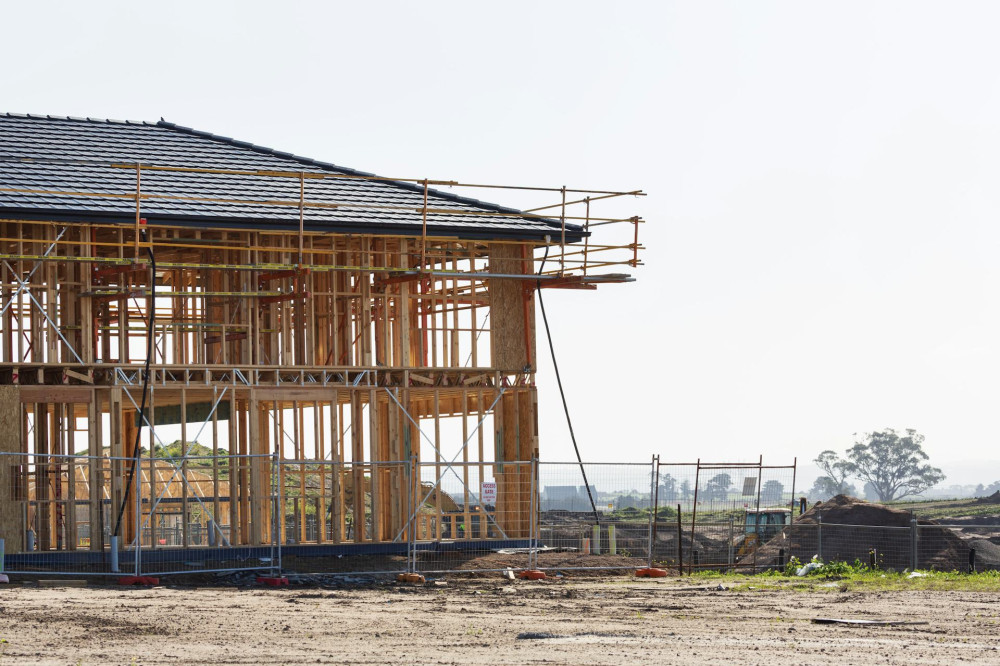
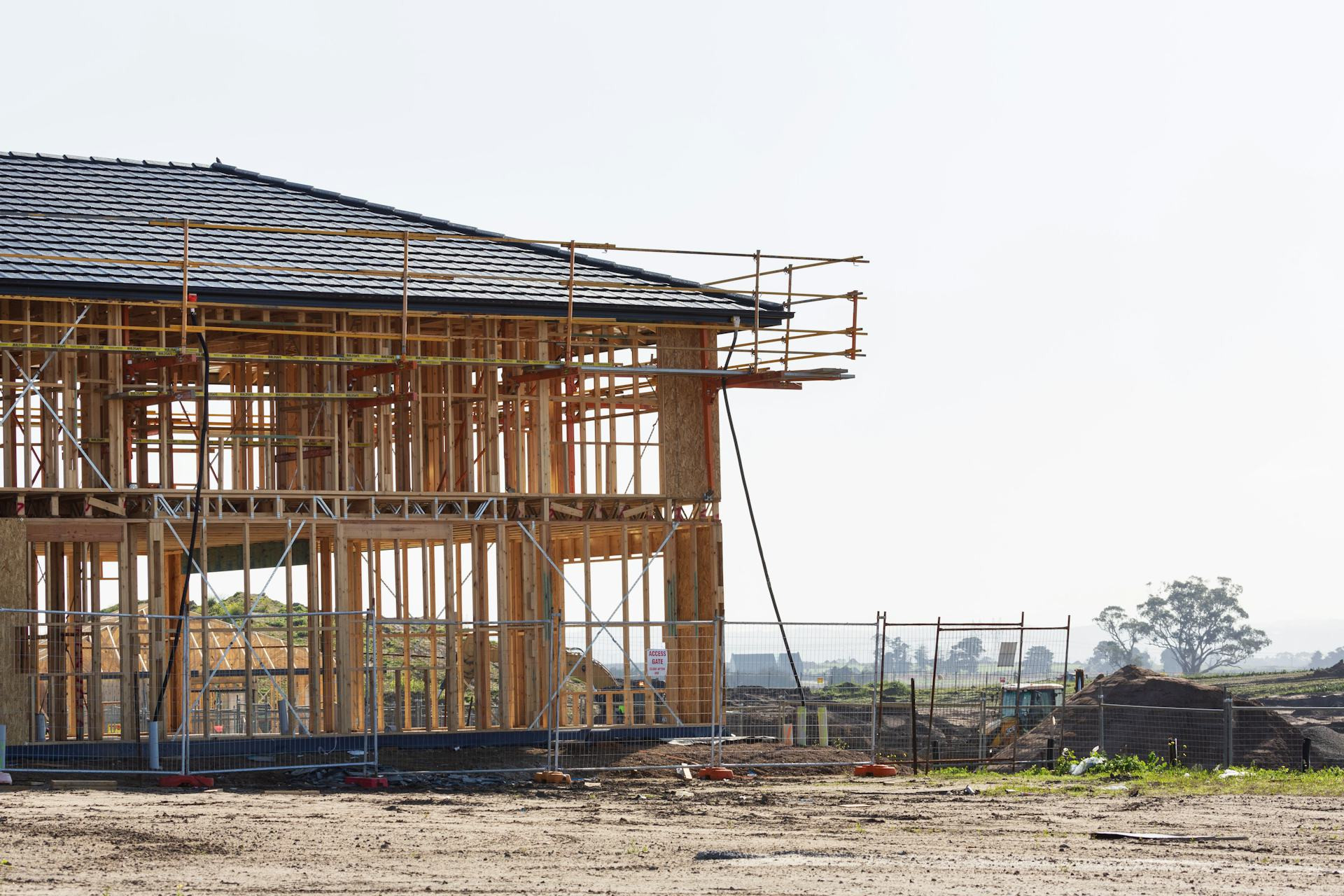
For centuries, the tile roof has been a hallmark of architectural tradition. From Spanish colonial homes in California to mission-style buildings in the Southwest, clay tiles have symbolized durability, craftsmanship, and timeless beauty. Yet in an era defined by sustainability and energy efficiency, one might assume that such a traditional material belongs to the past. In reality, the tile roof is experiencing a renaissance—proving that heritage and innovation can thrive together in the buildings of the future.
A Material Built to Last
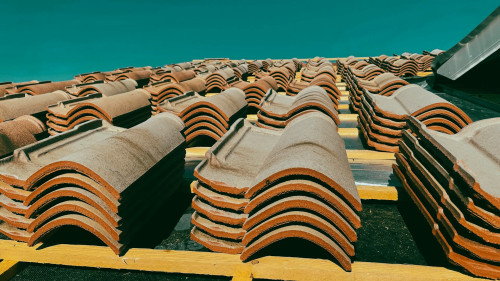
One of the greatest strengths of clay tile is its longevity. A well-installed tile roof can last 75 to 100 years or more, far outliving many modern roofing materials. This durability makes it inherently sustainable: fewer replacements mean less waste and lower resource consumption over time.
Tile roofs also require minimal maintenance. Unlike asphalt shingles that degrade under UV exposure or metal roofs that may corrode, clay tiles retain their color and strength for decades. Their natural resistance to fire, rot, and insects further enhances their environmental and economic value—qualities that align perfectly with the growing demand for resilient, low-impact building materials.
Læs også:


From Fired Clay to Circular Production
Traditional tile production involves firing clay at high temperatures, a process that consumes energy and emits CO₂. However, manufacturers in the U.S. and abroad are rethinking this process. Many are transitioning to kilns powered by renewable energy sources such as biogas or solar electricity, while others are experimenting with recycled clay and reclaimed tiles as raw materials.
Advances in production technology are also reducing waste and improving energy efficiency. The result is a new generation of clay tiles with a significantly smaller carbon footprint—proof that even the most time-honored materials can evolve to meet modern environmental standards.
Architecture That Honors Its Surroundings
Beyond performance, tile roofs offer a distinctive aesthetic that connects buildings to their environment. Their natural tones—ranging from deep terracotta to soft sand and slate—complement both historic neighborhoods and contemporary designs. Over time, the surface of clay tiles develops a subtle patina, adding character and depth to the architecture.
Architects across the United States are rediscovering tile as a design element that bridges tradition and modernity. Whether used on a net-zero home in Arizona or a coastal residence in Florida, tile roofs provide a sense of permanence and place while supporting sustainable design goals.
Solar Power Meets Classic Design
One of the most exciting innovations in roofing today is the integration of solar technology directly into tile systems. Solar roof tiles, which resemble traditional clay tiles, generate electricity without altering the building’s appearance. This allows homeowners to embrace renewable energy while preserving the architectural integrity of their homes.
Several American manufacturers now offer solar-integrated tile solutions that blend seamlessly with conventional roofing. These systems demonstrate how technology and tradition can coexist—producing energy, reducing emissions, and maintaining the timeless beauty of the tile roof.
Reuse, Recycling, and Local Roots
As the construction industry moves toward circular economy principles, clay tile stands out as a material well-suited for reuse. Old tiles can often be cleaned and reinstalled, maintaining their structural integrity and aesthetic appeal. Salvaged tiles from historic buildings are increasingly being incorporated into new projects, giving modern structures a tangible link to the past.
Tile production also supports local economies. Many U.S. tile manufacturers source clay from nearby deposits, reducing transportation emissions and strengthening regional supply chains. This local approach not only benefits the environment but also preserves the craftsmanship and expertise that have defined tile-making for generations.
A Roof for the Future
The tile roof reminds us that sustainability is not always about inventing something new—it can also mean reimagining what already works. With improved production methods, renewable energy integration, and a renewed focus on longevity, clay tile is emerging as a material that honors the past while meeting the demands of the future.
As American builders and homeowners look for ways to reduce environmental impact without sacrificing beauty or performance, the tile roof stands as a compelling example: a roof that is both enduring and responsible, where tradition and sustainability truly go hand in hand.
Læs også: