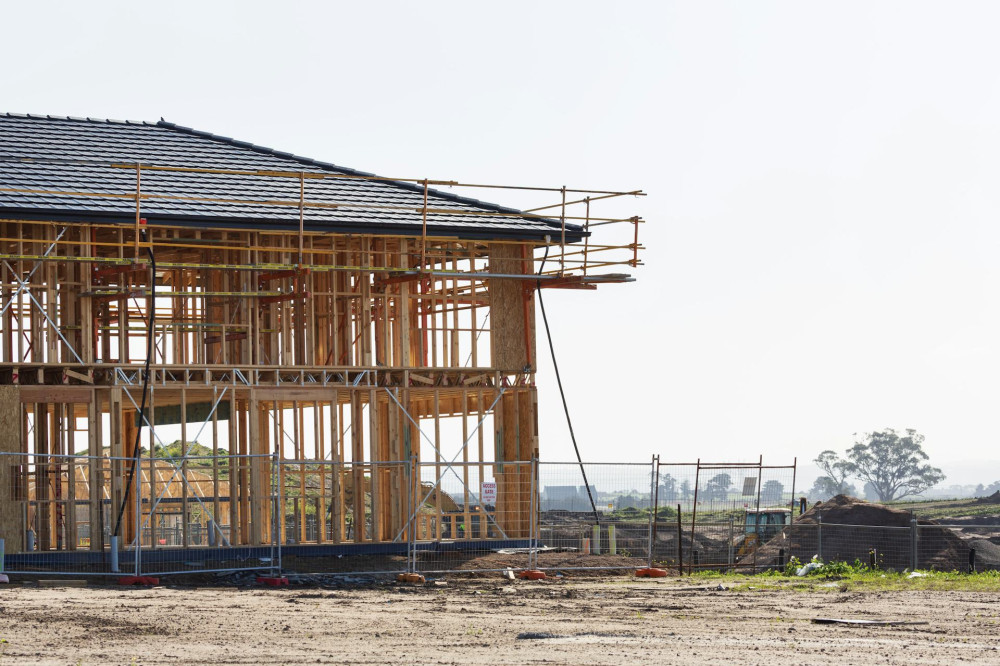
Compare Roofing Underlays: Function, Durability, and Price Options

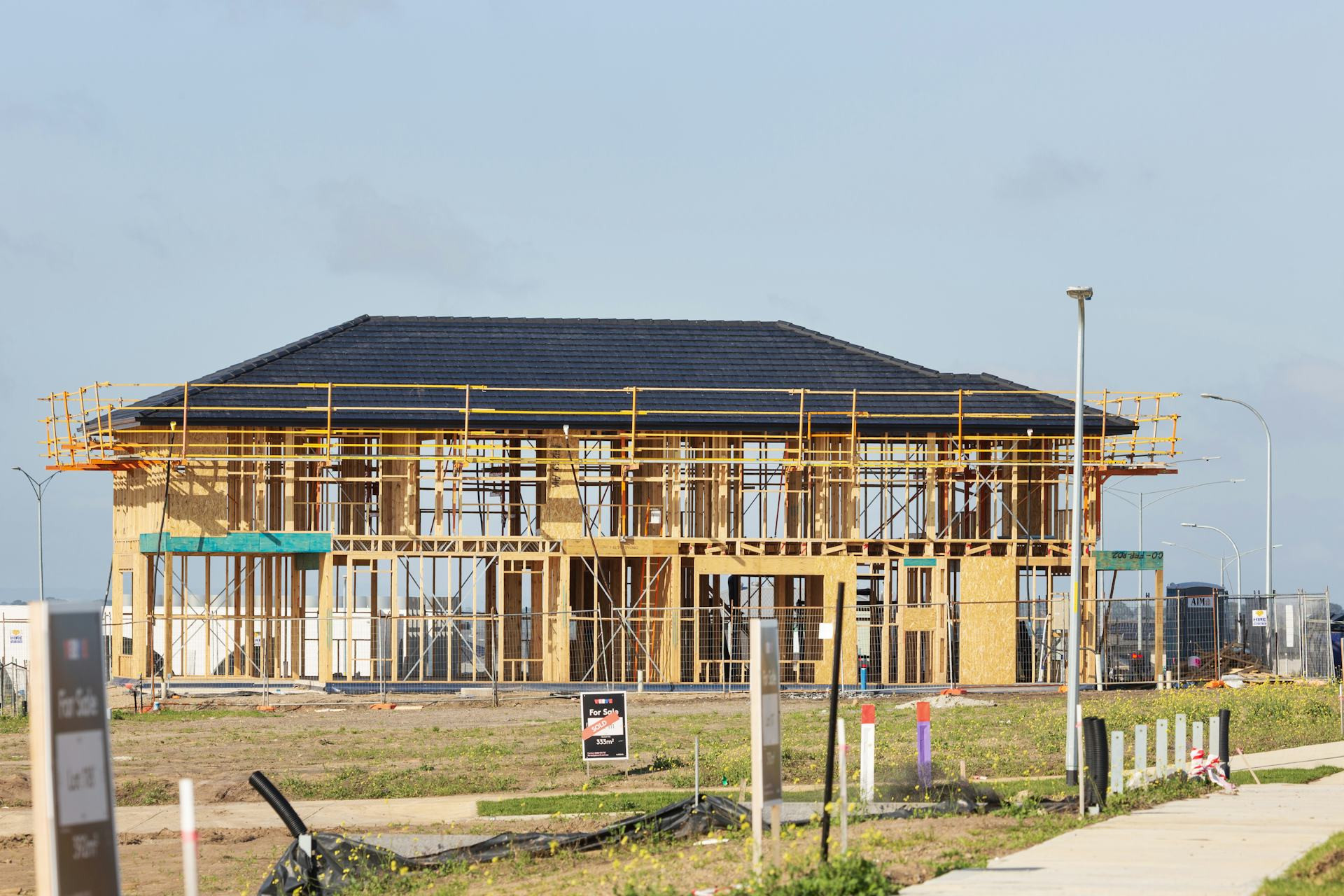
Compare Roofing Underlays: Function, Durability, and Price Options
When you’re installing a new roof, the underlayment is one of the most important—yet often overlooked—parts of the system. It acts as the hidden layer of protection against moisture, wind, and snow, and it plays a major role in the roof’s lifespan and your home’s overall energy efficiency. But not all underlayments are the same. Their function, durability, and cost can vary widely. Here’s an overview to help you choose the right roofing underlayment for your project.
What Is Roofing Underlayment—and Why Is It Necessary?
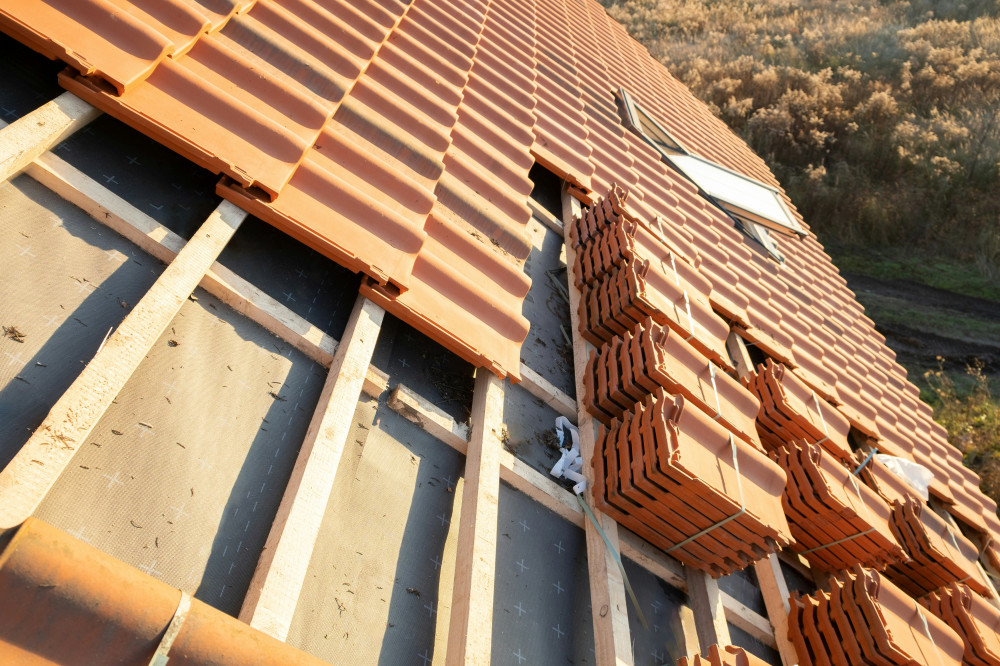
Roofing underlayment is the layer installed between the roof deck (usually plywood or OSB) and the outer roofing material, such as asphalt shingles, metal panels, or tiles. Its main job is to provide a secondary barrier against water infiltration in case the outer roofing fails or water seeps under the shingles.
Even the best roofing materials can’t guarantee complete protection from wind-driven rain or ice dams. That’s why underlayment is essential—it adds an extra layer of defense that helps prevent leaks, rot, and mold growth in the roof structure.
The Main Types of Roofing Underlayment
In the U.S. market, there are three primary types of roofing underlayment: asphalt-saturated felt, synthetic underlayment, and rubberized asphalt membranes. Each has its own advantages, price range, and ideal applications.
-
Asphalt-saturated felt (tar paper) is the traditional choice. It’s made from organic or fiberglass mat saturated with asphalt. It’s affordable and provides decent protection, but it’s heavier, can wrinkle when wet, and doesn’t last as long as newer materials. It’s often used for budget-conscious projects or as a secondary layer under asphalt shingles.
-
Synthetic underlayment is made from polypropylene or polyethylene. It’s lightweight, tear-resistant, and offers superior water resistance compared to felt. It also provides better UV protection if the roof installation is delayed. Synthetic underlayments have become the most common choice for residential roofing in the U.S. due to their balance of performance and cost.
-
Rubberized asphalt membranes are the premium option. They contain higher amounts of asphalt and rubber polymers, making them self-sealing around nails and highly waterproof. These are often used in areas prone to heavy rain, snow, or ice dams, and in critical zones like valleys and eaves. They’re more expensive but provide the highest level of protection.
Læs også:


Durability and Maintenance
Durability depends on both the material and the installation quality. Traditional felt underlayment typically lasts 15–25 years, while synthetic underlayments can last 25–40 years or more. Rubberized asphalt membranes can match or exceed the lifespan of the roof itself when properly installed.
Underlayments require little maintenance once covered, but if you notice leaks or moisture in the attic, it’s important to have a professional inspection. Small punctures or tears can sometimes be repaired, but widespread damage usually means replacement during the next re-roofing.
Price and Cost Considerations
Costs vary depending on the material and the size of your roof. As a general guide:
- Asphalt felt: around $0.15–$0.50 per square foot
- Synthetic underlayment: around $0.25–$0.75 per square foot
- Rubberized asphalt: around $0.75–$1.50 per square foot
Labor costs will add to these figures, and prices can vary by region and roof complexity. While felt is the cheapest upfront, synthetic and rubberized options often provide better long-term value due to their durability and reduced risk of leaks.
It’s worth remembering that replacing underlayment later is labor-intensive and costly, since it requires removing the roof covering. Investing in a higher-quality product now can save money and headaches down the road.
Choosing the Right Underlayment for Your Roof
The best underlayment depends on your roof type, local climate, and budget. In hot, humid regions, synthetic underlayments that resist mold and UV damage are ideal. In colder climates with snow and ice, rubberized asphalt membranes offer superior protection against ice dams and water intrusion. For standard asphalt shingle roofs in moderate climates, a high-quality synthetic underlayment is often the best balance of cost and performance.
If you’re unsure, consult a licensed roofing contractor who understands local building codes and weather conditions. They can recommend the right combination of materials for your home.
Environmental and Energy Considerations
Some manufacturers now produce underlayments made from recycled materials or with lower environmental impact. Synthetic options often require less asphalt and can contribute to a lighter, more energy-efficient roof system. A durable underlayment is also inherently sustainable—because the longer it lasts, the fewer resources are needed for replacement.
Conclusion: Think Long-Term When Choosing Underlayment
Roofing underlayment may not be visible once the roof is complete, but it’s one of the most critical components of a weatherproof home. It protects your roof deck, extends the life of your roofing materials, and helps maintain a dry, healthy interior.
When comparing underlayments, look beyond the initial price. Consider function, durability, and the specific demands of your climate. Asphalt felt remains a budget-friendly option, synthetic underlayments offer excellent all-around performance, and rubberized asphalt provides top-tier protection for demanding conditions. Whichever you choose, proper installation and ventilation are key to a roof that will protect your home for decades.
Læs også: