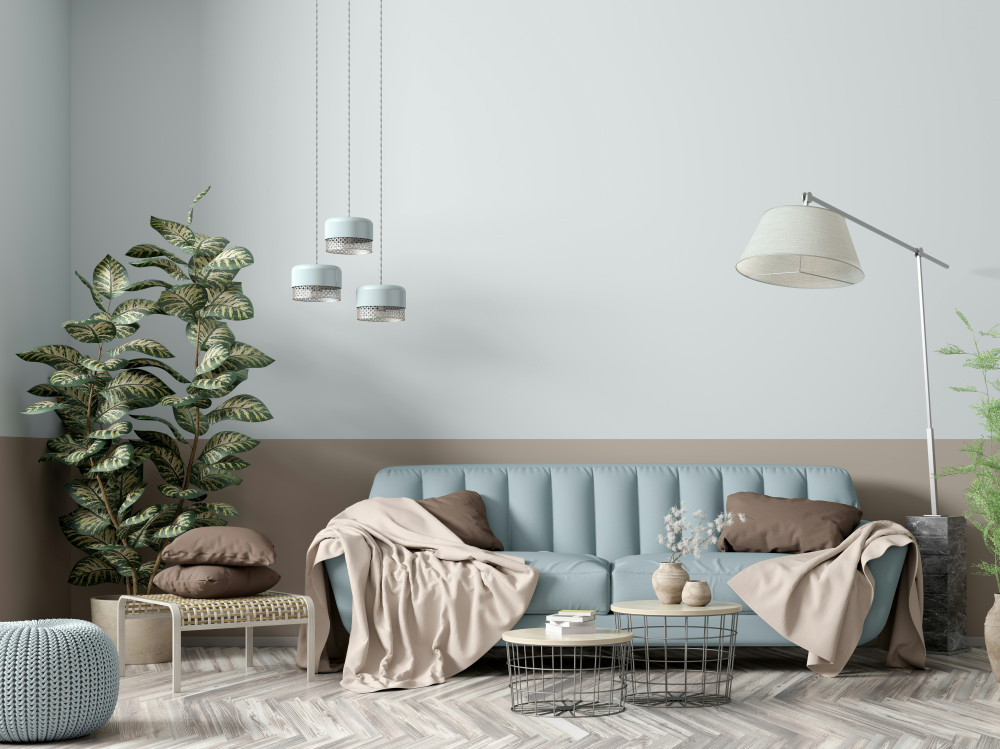
The Size of Your Sofa and Your Posture – Finding the Right Balance

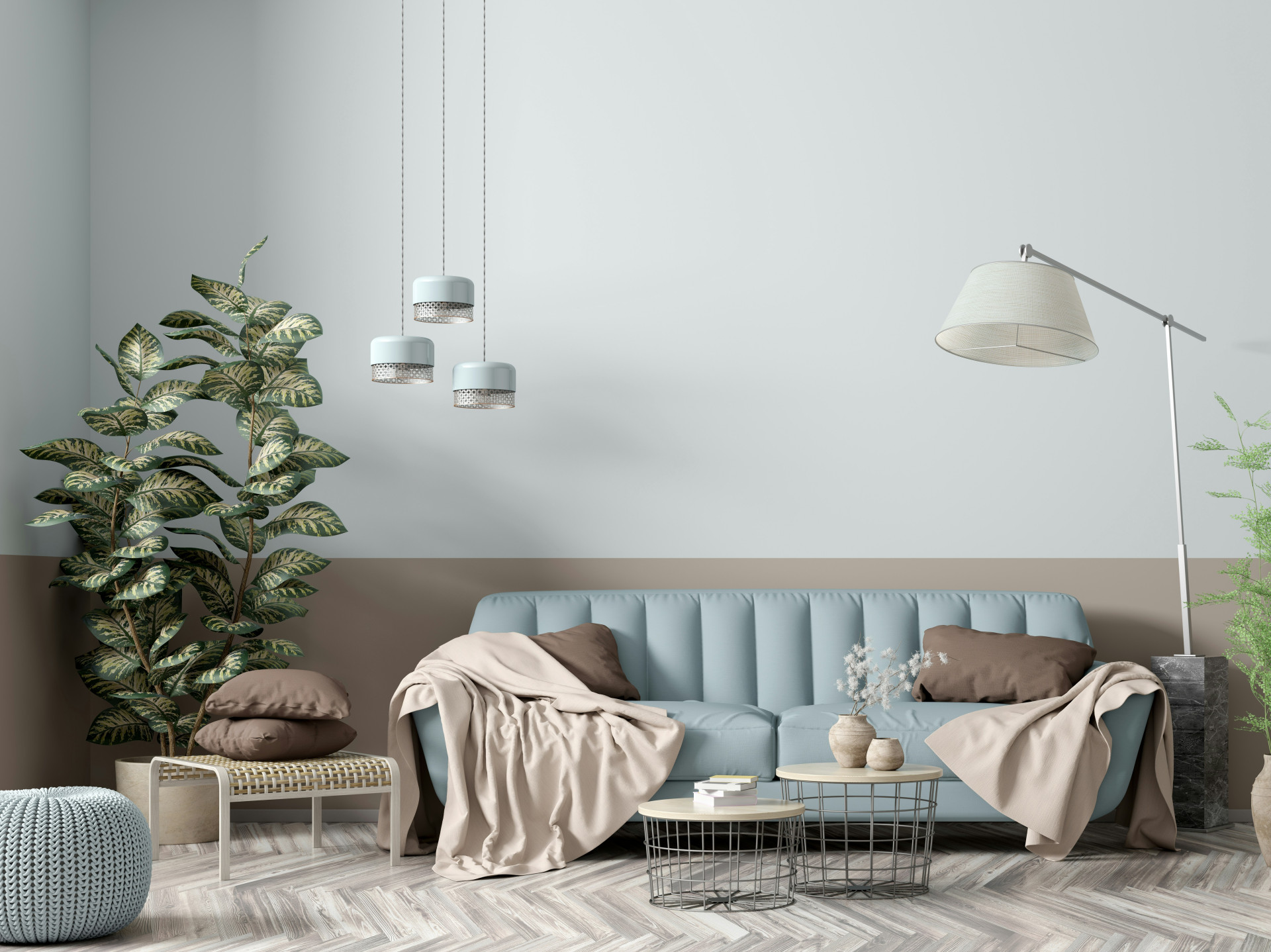
The Size of Your Sofa and Your Posture – Finding the Right Balance
A sofa is more than just a piece of furniture – it’s the heart of the living room, the place where we unwind, watch movies, read, or gather with family and friends. But few people realize that the size and design of a sofa can have a major impact on posture and comfort. The wrong dimensions can lead to tension in your back, neck, and shoulders, while the right balance between support and relaxation can make all the difference. Here’s how to choose a sofa that fits both your body and your lifestyle.
Why Sofa Size Matters
When you sit down, your body should be able to relax without collapsing into the cushions. A sofa that’s too deep can make you slouch, rounding your back and straining your shoulders. One that’s too low can make it hard to stand up, while a seat that’s too high can cause discomfort in your legs.
The ideal sofa supports your lower back, allows your feet to rest flat on the floor, and gives you room to shift positions. It’s not just about looks – it’s about ergonomics and finding a model that suits your body type and how you actually use your sofa.
Measure Yourself – and Your Space
Before buying a new sofa, take a few measurements. Start with your living room: note the available space, but also consider walkways, doorways, and other furniture. A sofa that looks perfect in a showroom can easily overwhelm a smaller room at home.
Next, think about how the sofa fits you physically. Taller people often need a deeper seat to sit comfortably without their knees sticking out too far. If you’re shorter, a shallower seat may provide better support. Always test the sofa before you buy – and try sitting in the position you most often use at home, whether that’s upright, lounging, or curled up with a book.
Comfort and Support – It’s All About Balance
A good sofa should support your body while still allowing you to relax. Cushion firmness, back height, and seat depth all play a role.
- Back height: A high back offers support for your neck and shoulders, while a lower back gives a more open, modern look but requires more effort to sit upright.
- Seat depth: A deep seat is great for lounging but less ideal for sitting upright for long periods.
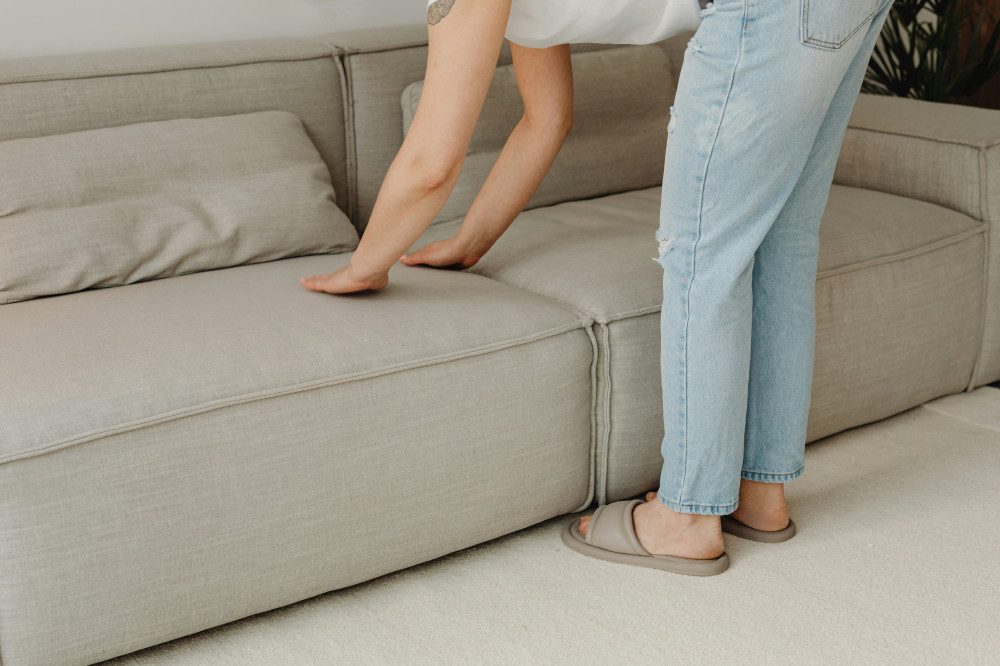
- Cushion firmness: Too soft, and you’ll sink in; too firm, and it can feel uncomfortable. A medium firmness works well for most people.
If you use your sofa for multiple purposes – relaxing, reading, or even working from home – consider a modular design. Adjustable sections, extra cushions, or movable backrests can help you tailor the comfort to your needs.
Everyday Posture Habits
Even though your sofa is a place to relax, posture still matters. Spending hours in a poor position can lead to stiffness and pain. Try to vary your sitting position, use pillows to support your lower back, and avoid sitting with your legs tucked under you for long stretches.
It’s also a good idea to stand up and stretch regularly – even during a movie marathon or while working on your laptop. Small movements and breaks improve circulation and help maintain a healthy posture.
Læs også:

Materials and Design with Ergonomics in Mind
Today’s sofas come in countless materials and styles, but it’s worth looking beyond appearance. Some manufacturers design with ergonomics in mind, adjusting seat angles and backrest positions to support the body naturally. Leather and firmer fabrics often provide better support than very soft textiles that lose shape quickly.
If you share your sofa with others, look for adjustable features – such as movable headrests or reversible chaises – so everyone can find their ideal sitting position. Flexibility makes it easier to accommodate different body types and preferences.
Finding the Right Balance
The perfect sofa is one you can both sit and lie on comfortably – without compromising your posture. Think about how you use your sofa day to day: Is it mainly for relaxing, socializing, or working from home? The better you understand your habits, the easier it is to find a model that fits.
Once you’ve found the right size and level of support, add pillows and throws to make it even more inviting. That way, you’ll have a sofa that not only looks great but also supports your well-being – every single day.
Læs også: