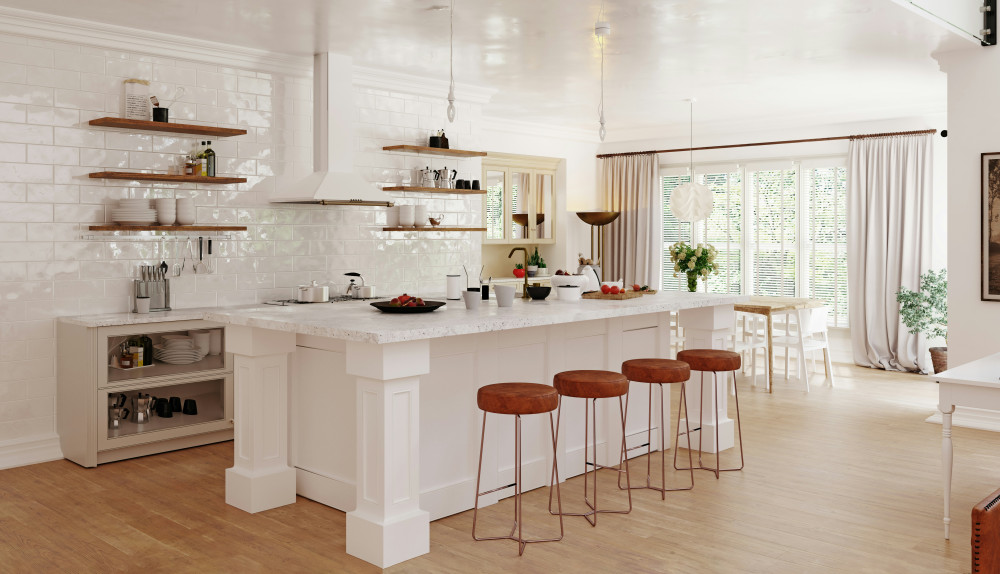
The Design of the Kitchen Sink Through Time – From Function to Form

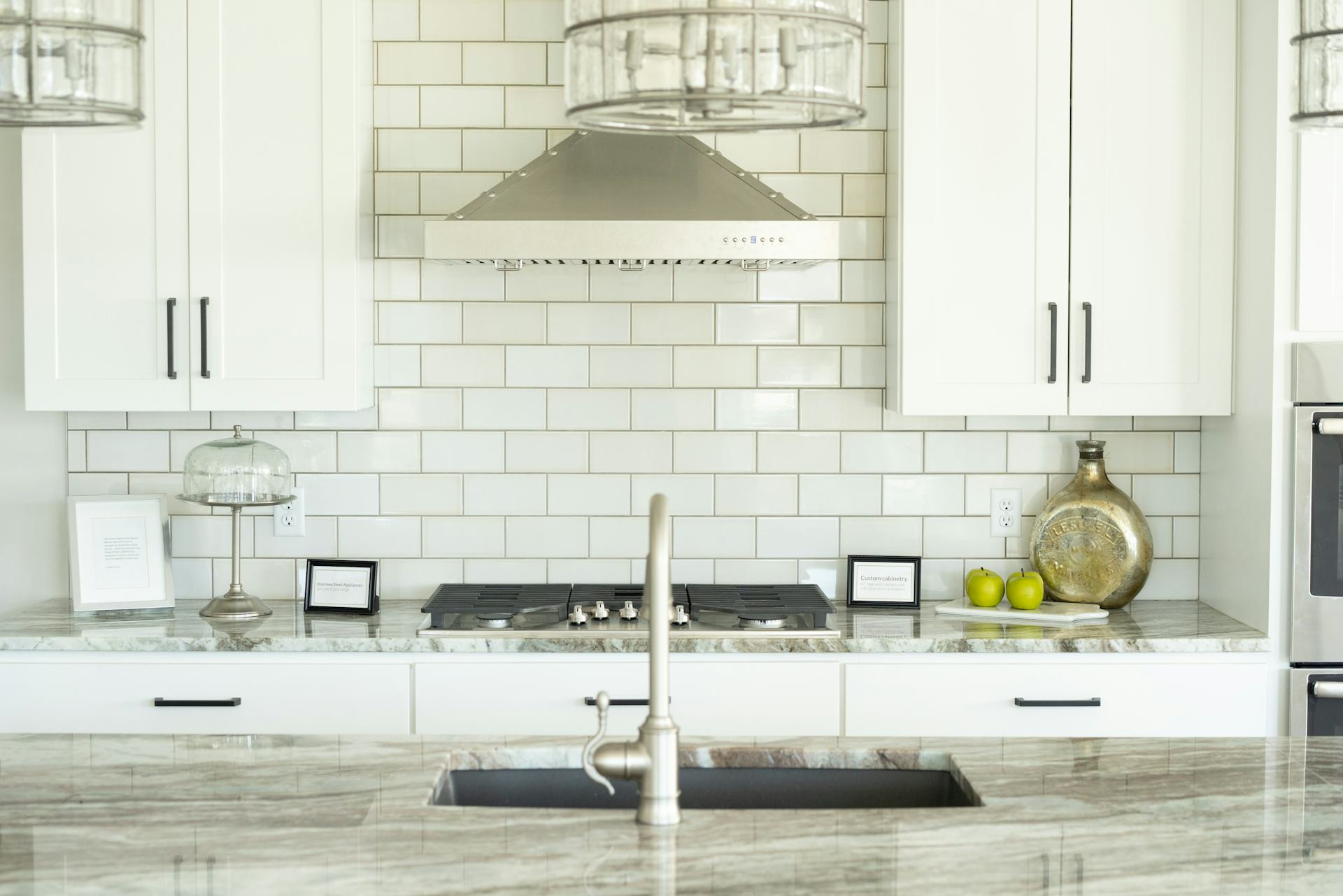
The Design of the Kitchen Sink Through Time – From Function to Form
The kitchen sink is one of the most frequently used features in any home—and yet, it rarely gets the attention it deserves in design history. From a purely utilitarian basin to a centerpiece of modern kitchen aesthetics, the sink has evolved alongside our ways of living, cooking, and entertaining. Its materials, shape, and placement tell a story about changing values in American homes—from practicality to style, and now to sustainability.
From Wash Basin to Built-In Fixture
In the 19th century, most American kitchens didn’t have a fixed sink. Water was carried from a well or pump and poured into a portable basin made of tin, copper, or zinc. Wastewater was emptied by hand. Hygiene and comfort were secondary concerns; the goal was simply to get the job done.
As plumbing systems spread through cities and towns in the late 1800s, the first built-in sinks appeared. Cast iron coated with porcelain enamel became the standard—durable, easy to clean, and a sign of modern convenience. The kitchen sink was no longer just a tool; it was a symbol of progress and domestic efficiency.
The Mid-Century Kitchen – Efficiency and Modern Living
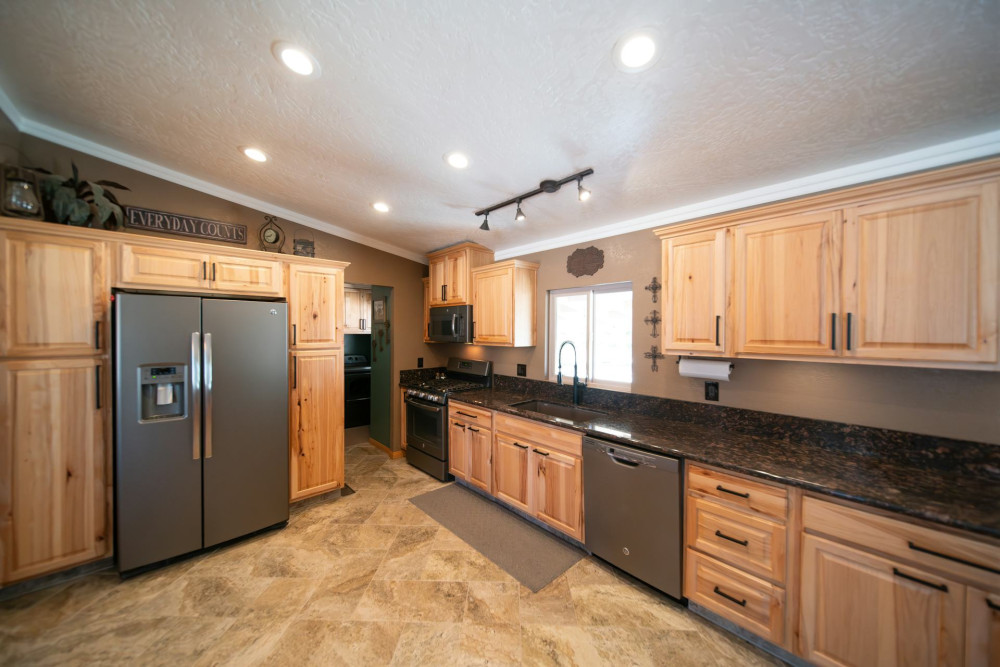
After World War II, the American kitchen became a showcase of modern life. Suburban homes featured streamlined layouts, and the “work triangle” between sink, stove, and refrigerator defined efficient design. Stainless steel and enameled steel sinks dominated, reflecting the era’s fascination with technology and cleanliness.
The sink was often placed under a window, offering a view of the backyard or neighborhood while washing dishes—a small luxury in the daily routine. It was still a work zone, but one that reflected optimism and the promise of a better, easier life.
Color, Character, and New Materials – The 1970s and 80s
By the 1970s, kitchen design embraced color and personality. Sinks came in shades of avocado green, harvest gold, and chocolate brown, matching the bold palettes of the decade. Manufacturers experimented with acrylics and composite materials, offering lighter and more affordable alternatives to metal and porcelain.
In the 1980s, stainless steel made a strong comeback, this time with a professional edge inspired by restaurant kitchens. Double basins, integrated drainboards, and sleek edges became popular, signaling a shift toward both practicality and sophistication.
Minimalism and Open-Concept Living – The 1990s to Today
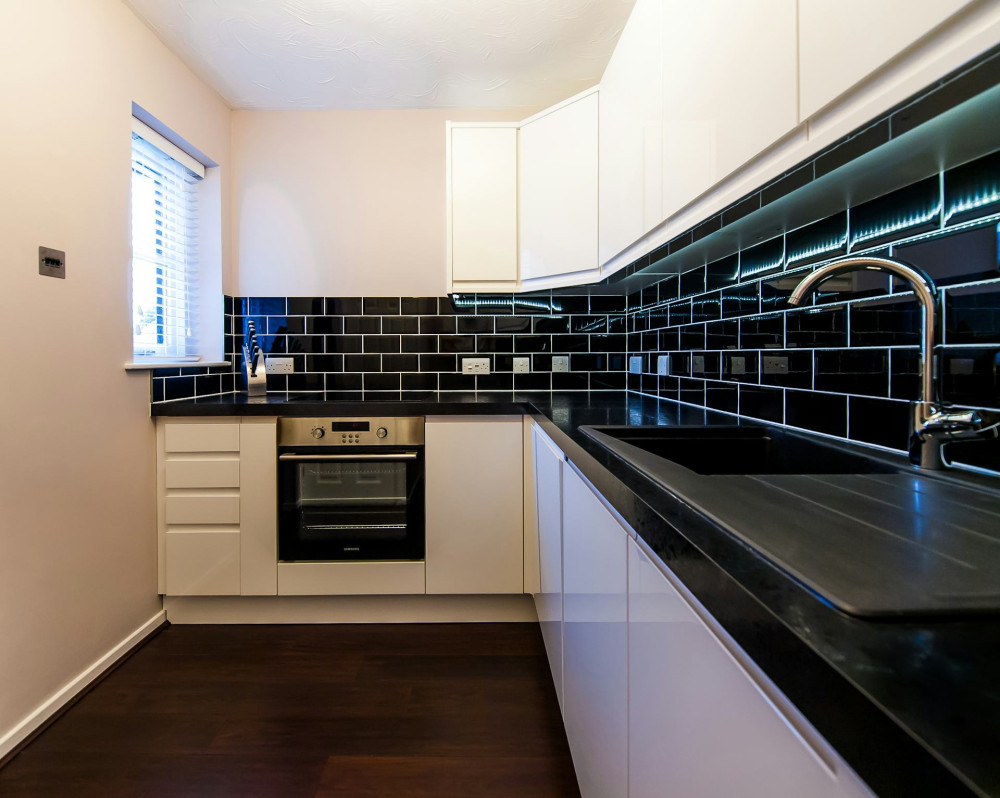
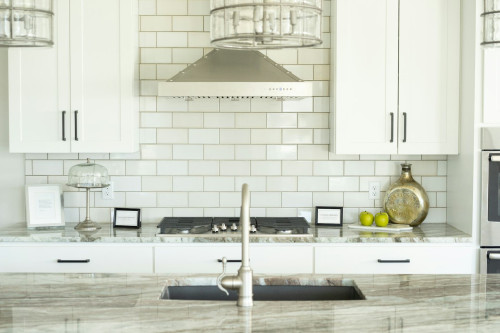
As kitchens opened up to living spaces in the 1990s and 2000s, the sink took on a new role. No longer something to hide, it became part of the overall design statement. Undermount and farmhouse sinks gained popularity, blending functionality with visual appeal. Materials like granite composite, fireclay, and brushed steel offered both durability and style.
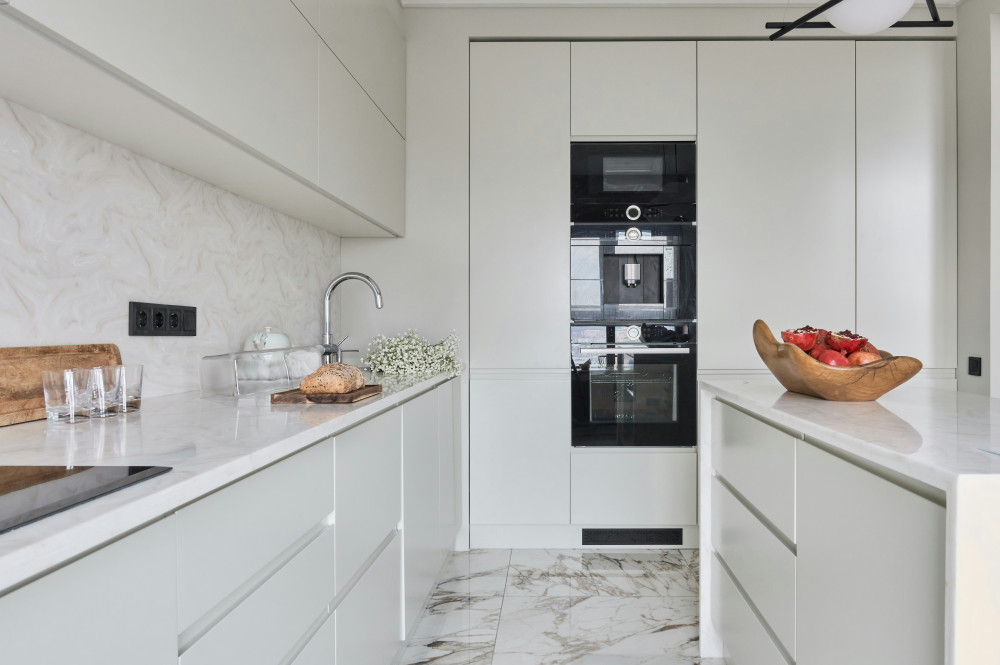
Today, the kitchen sink comes in countless forms—from deep, single-bowl models for home chefs to compact, integrated designs for minimalist spaces. The sink has become a reflection of lifestyle: a place for food prep, cleanup, and even social interaction.
Technology and Sustainability in the Modern Kitchen
In the 21st century, the kitchen sink is as much about innovation as it is about design. Touchless faucets, water-saving aerators, and built-in filtration systems are now common features. Some sinks include modular accessories—cutting boards, colanders, and drying racks—that transform the basin into a multifunctional workstation.
Sustainability has also become a key concern. Recycled stainless steel, responsibly sourced stone, and long-lasting composite materials are increasingly favored. The modern sink embodies a balance between beauty, efficiency, and environmental responsibility.
Læs også:
From Necessity to Design Icon
The evolution of the kitchen sink mirrors the story of American domestic life. Once a symbol of hard labor, it has become an expression of taste, comfort, and innovation. From the humble wash basin to the high-tech centerpiece of today’s kitchen, the sink reminds us that even the most ordinary objects can reveal how we live—and how we continue to redefine the heart of the home.
Læs også: