Kitchen Design as a Reflection of Society’s Lifestyle

Kitchen Design as a Reflection of Society’s Lifestyle
The kitchen has always been more than just a place to cook. It is a space that mirrors the values, technologies, and social structures of its time. From the efficient, appliance-filled kitchens of the 1950s to today’s open, multifunctional spaces, kitchen design tells the story of how Americans live – and who they aspire to be.
From Workroom to Gathering Space
In mid-20th-century America, the kitchen was primarily a workspace. Efficiency and cleanliness were key, inspired by industrial design and the postwar fascination with modern appliances. The kitchen was often the woman’s domain, reflecting the gender roles and family structures of the era. Built-in cabinets, linoleum floors, and chrome details symbolized progress and prosperity.
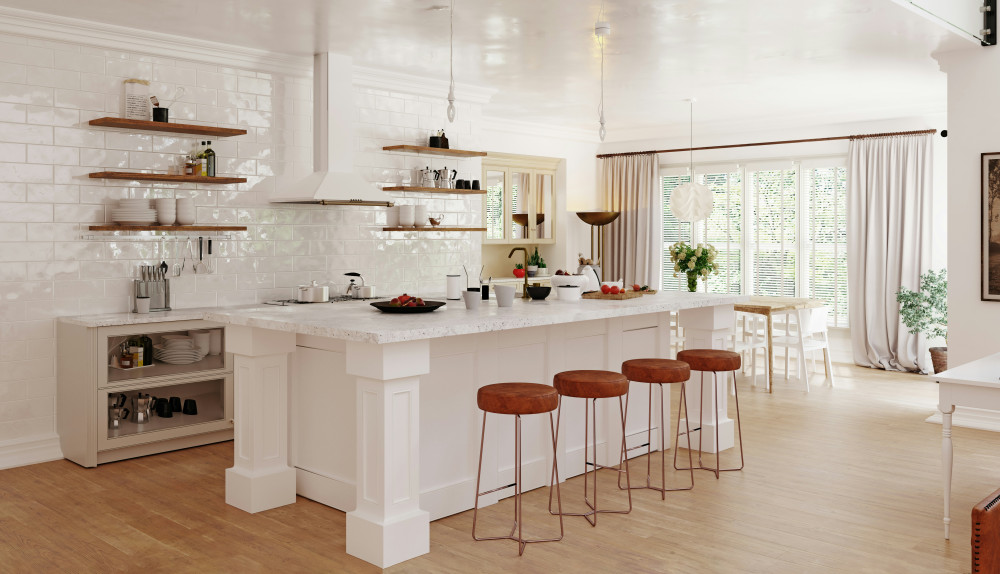
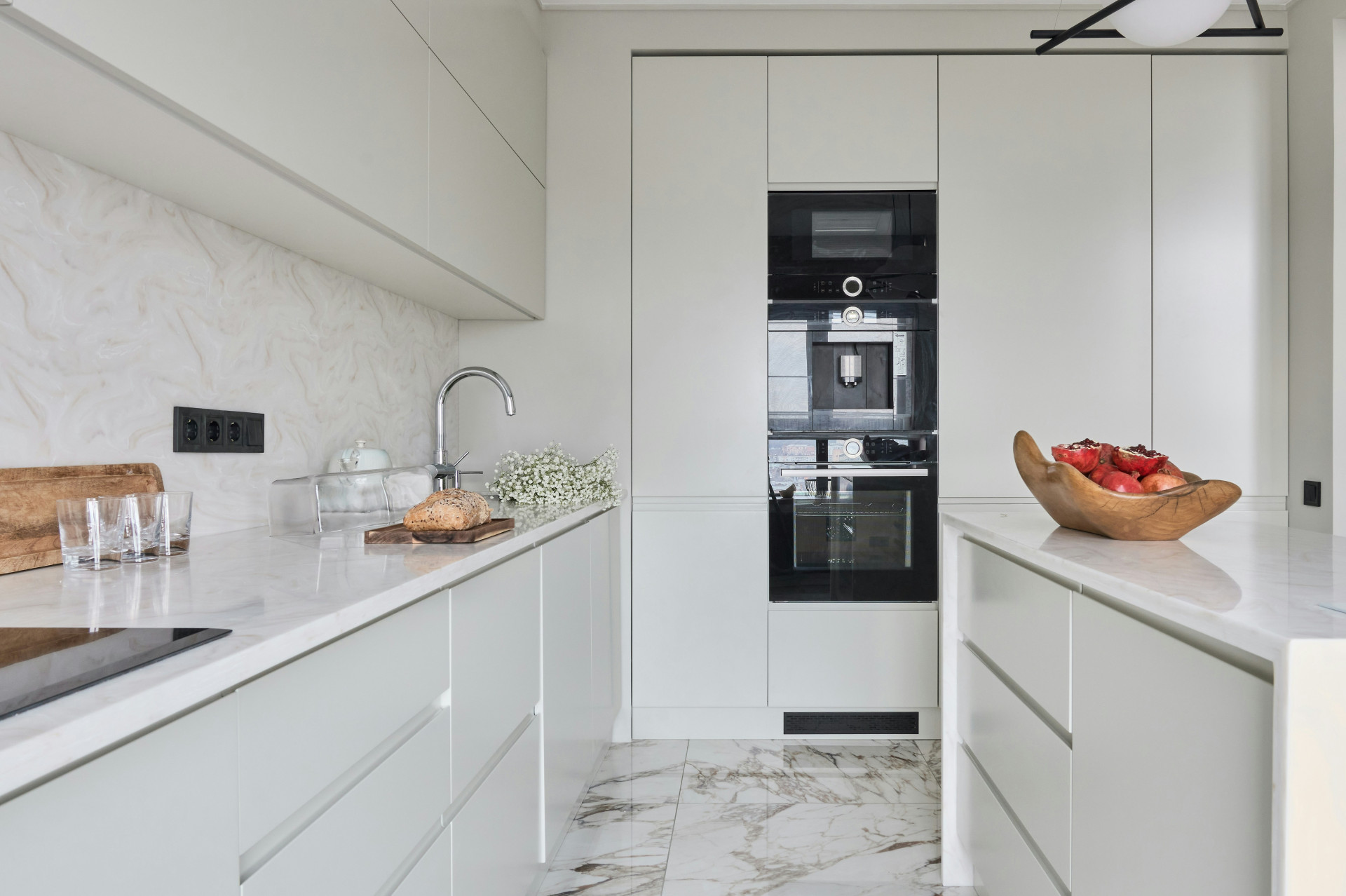
Today, the kitchen has become the heart of the home. It’s no longer a closed-off room but an open space that connects cooking, dining, and socializing. This shift reflects broader changes in American life: more egalitarian family roles, a growing interest in food culture, and a desire for togetherness in an increasingly digital world. The kitchen island has replaced the formal dining room table as the center of daily life.
Design as an Expression of Values
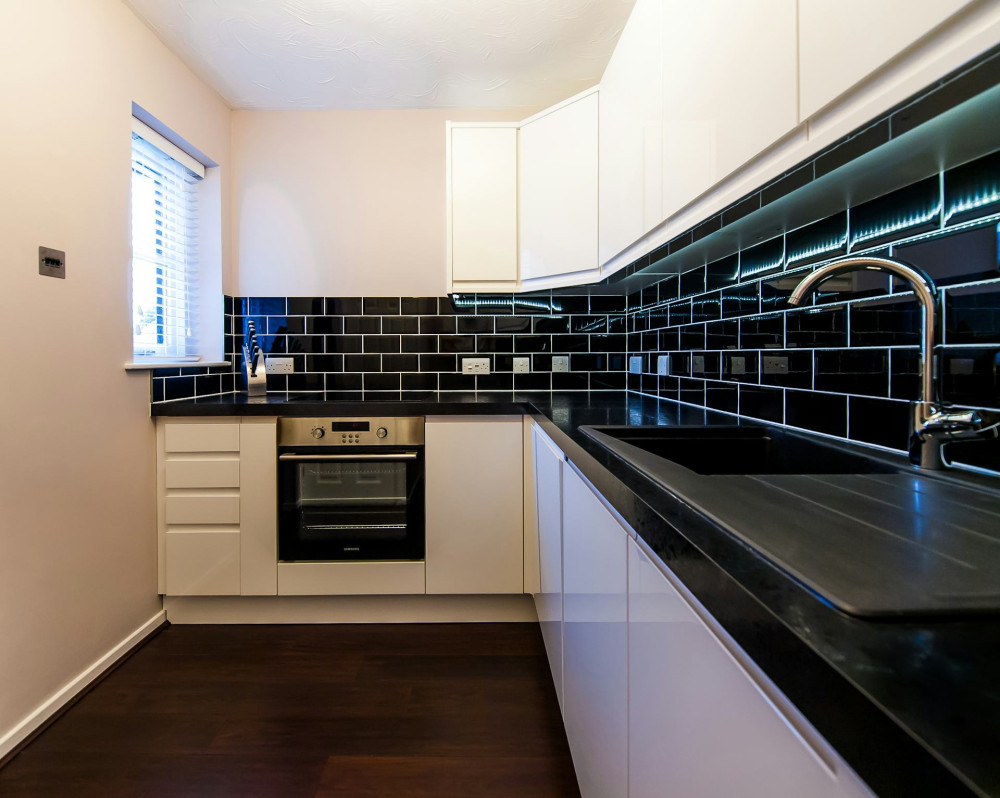
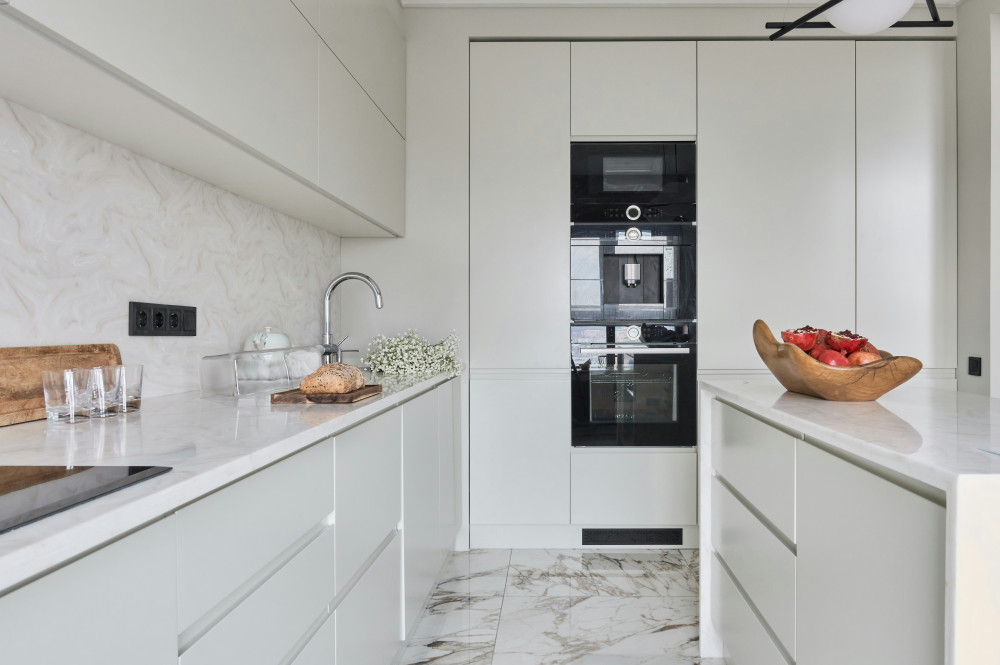
Kitchen design is not only about aesthetics – it’s about values. In the 1970s and 80s, bold colors and personal expression dominated, mirroring a culture that celebrated individuality. The 1990s brought minimalism, with sleek surfaces and neutral tones that reflected a focus on efficiency and professionalism.
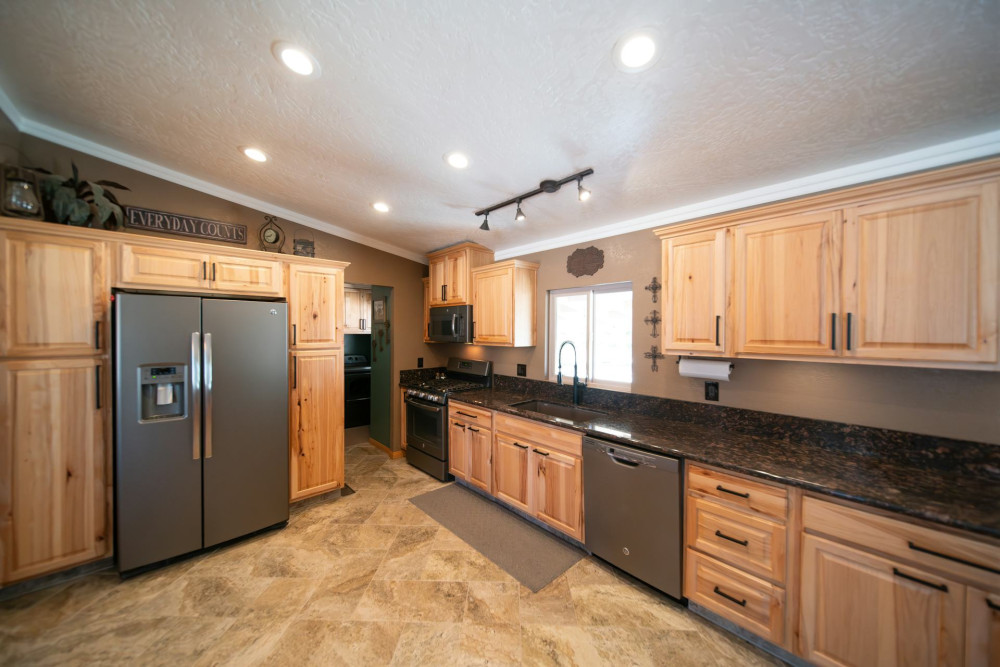
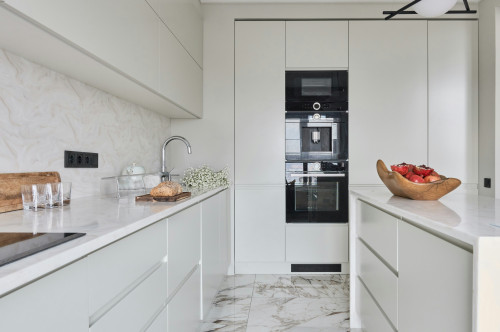
Today’s American kitchens often emphasize sustainability, authenticity, and comfort. Natural materials like wood and stone are popular, as are energy-efficient appliances and locally sourced products. The modern kitchen is expected to be both beautiful and responsible – a reflection of a lifestyle that values health, quality, and environmental awareness.
Læs også:
The Role of Technology
Technology has always driven change in the kitchen. From the first electric stoves to today’s smart refrigerators and voice-controlled assistants, innovation has reshaped how we cook and live. Modern appliances can suggest recipes, track groceries, and even preheat the oven from a smartphone.
Yet technology in the kitchen is about more than convenience. It reflects our cultural priorities: saving time, staying connected, and maintaining control in a fast-paced world. At the same time, there’s a growing appreciation for the handmade and the analog – a counterbalance to the digital. Many Americans now seek a balance between high-tech efficiency and the warmth of traditional craftsmanship.
The Kitchen as a Social Stage
The open-concept kitchen has transformed how Americans interact. Cooking is no longer a solitary task but a shared experience. Friends gather around the island, children do homework at the counter, and guests chat while dinner is prepared. The physical openness mirrors a social openness – a desire for connection and transparency in everyday life.
Social media has also turned the kitchen into a stage. From cooking tutorials to home renovation posts, the kitchen has become part of personal identity and self-expression. It’s not just about preparing food; it’s about sharing a lifestyle.
The Future Kitchen – Flexible and Sustainable
The kitchen of the future will likely be even more flexible, sustainable, and personalized. Modular designs that adapt to changing needs, materials with low environmental impact, and smart systems that reduce waste will become standard. Technology will continue to evolve, but with a focus on supporting mindful living rather than simply showcasing innovation.
Ultimately, the kitchen will remain a mirror of society – a place where our values, habits, and dreams take shape. Whether minimalist, rustic, or futuristic, it tells the story of how we live today and how we hope to live tomorrow.
Læs også: