Set Your Heating Controls Correctly When the Seasons Change

Set Your Heating Controls Correctly When the Seasons Change
When the seasons shift, your home’s heating needs change too. As outdoor temperatures rise or fall, it’s important to adjust your heating system so you stay comfortable without wasting energy. Many homeowners forget to update their settings, which can lead to higher utility bills and uneven indoor temperatures. Here’s a guide to help you set your heating controls correctly when the seasons change.
Know Your Heating System
Before making any adjustments, take a moment to understand what kind of heating system you have. In the U.S., most homes use forced-air furnaces powered by natural gas, electricity, or oil, while others rely on heat pumps, boilers, or radiant floor systems. Each type works differently, but the goal is the same: to provide just the right amount of heat for your comfort.
If your system has a programmable or smart thermostat, it can automatically adjust temperatures based on your schedule or the weather. Learning how to use these features can make a big difference in both comfort and energy savings.
Læs også:

Transitioning from Winter to Spring
As the days get longer and the sun starts to warm your home naturally, you can usually turn down the heat a bit. That doesn’t mean shutting it off completely, but you can:
- Lower the thermostat setting by one or two degrees at a time and see how your home feels.
- Aim for indoor temperatures around 68°F (20°C) when you’re home and awake, and lower when you’re asleep or away.
- Take advantage of sunlight by opening curtains during the day to let in natural warmth.
If you have radiant floor heating, remember that it responds slowly to changes. Make small adjustments and give the system time to stabilize before making further changes.
When Fall Arrives
After a warm summer, it can be tempting to crank up the heat as soon as the air turns chilly. Instead, ease into the heating season gradually:
- Inspect your vents or radiators to make sure they’re clean and unobstructed.
- Check your thermostat schedule and update it for cooler weather.
- Replace or clean air filters in forced-air systems to ensure efficient airflow.
If some rooms feel colder than others, it might be time to balance your system or have a professional check for duct leaks or uneven airflow.
Use Your Thermostat Wisely
Your thermostat is the key to efficient heating. Many people think turning it up higher will heat the house faster, but that’s not how it works—the system heats at the same rate regardless of the setting.
- Set the thermostat to your desired temperature and leave it there.
- Avoid blocking vents or radiators with furniture or curtains.
- Close doors between heated and unheated areas to keep warmth where you need it.
If you have a smart thermostat, program it to lower the temperature automatically when you’re asleep or away from home. The U.S. Department of Energy estimates that turning your thermostat back 7–10°F for eight hours a day can save up to 10% a year on heating costs.
Balance Comfort and Efficiency
Setting your heating controls correctly isn’t just about saving money—it’s also about maintaining a healthy indoor environment. Too little heat can lead to condensation and moisture problems, while too much wastes energy and dries out the air.
As a general rule, every degree you lower your thermostat can save about 3–5% on your heating bill. Small changes can add up to significant savings over the course of a season.
Get Professional Help if Needed
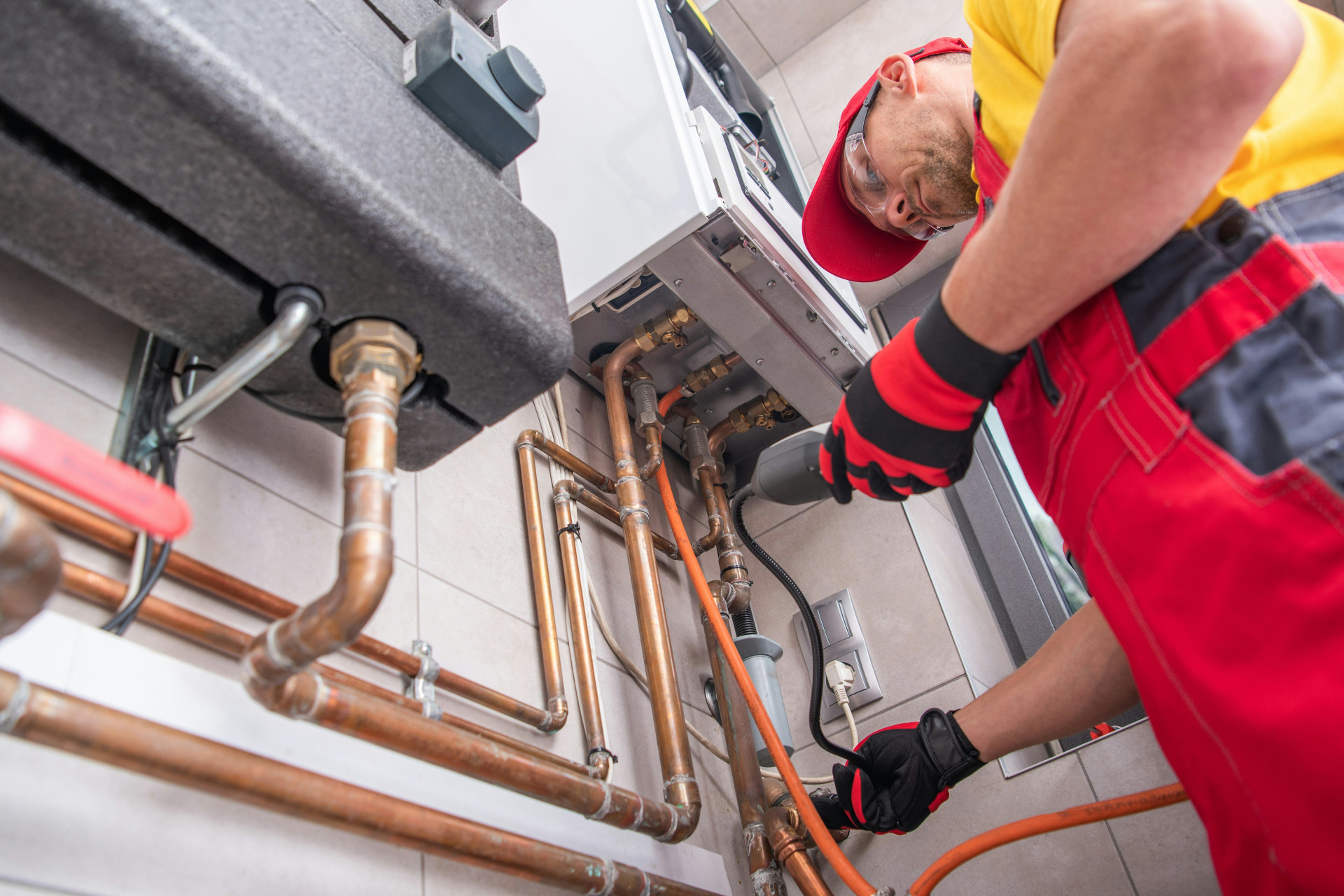
If you’re unsure how to adjust your system or notice uneven heating, strange noises, or rising energy bills, it’s worth calling a licensed HVAC technician. A professional can inspect your system, fine-tune the settings, and make sure everything is running efficiently. Scheduling a maintenance check before the heating season starts can prevent breakdowns and improve performance.
A Small Effort with Big Rewards
Adjusting your heating controls as the seasons change doesn’t take much time, but it can make a big difference in comfort and cost. By staying mindful of the weather and fine-tuning your system, you’ll enjoy a cozy home all year long—without using more energy than necessary.
Læs også: