Missing Drainage Around Your House? Here’s How to Find Out

Missing Drainage Around Your House? Here’s How to Find Out
A proper drainage system around your home is essential for keeping your foundation dry and preventing moisture problems, mold, and structural damage. Yet many homeowners aren’t sure whether their property even has foundation drainage—or if it’s still working as it should. Here’s a guide to help you determine whether your home is missing drainage and what to do if you discover issues.
What Is Foundation Drainage—and Why Does It Matter?
Foundation drainage is a system of pipes or gravel trenches installed around the base of a house to direct excess water away from the foundation. Its purpose is to prevent water from pooling in the soil next to your home, which can lead to hydrostatic pressure, cracks, and leaks.
This type of drainage is especially important if your home sits on clay soil, in a low-lying area, or in a region with heavy rainfall or poor natural drainage. When the system works properly, it keeps basements and crawl spaces dry. Without it, water can seep through walls, cause musty odors, and even lead to mold growth or foundation settlement.
Signs You Might Be Missing Drainage
If you suspect your home doesn’t have proper drainage—or that the existing system has failed—watch for these common warning signs:
- Damp basement walls or floors, especially after rain.
- White, powdery residue (efflorescence) on concrete or masonry surfaces.
- Musty smells or visible mold, indicating persistent moisture.
- Standing water near the foundation or in the basement after storms.
- Cracks in walls or foundation, which can result from water pressure or shifting soil.
If you notice several of these symptoms, it’s worth investigating whether your home has a functioning drainage system.
How to Check If Your Home Has Drainage
There are several ways to find out whether your home has foundation drainage:
-
Review your home’s building plans or inspection reports Check any available construction documents or inspection records. These may show whether a perimeter drain (also called a French drain or footing drain) was installed.
-
Ask previous owners or your builder If you bought your home from someone else, they might know whether drainage was installed and when it was last serviced.
-
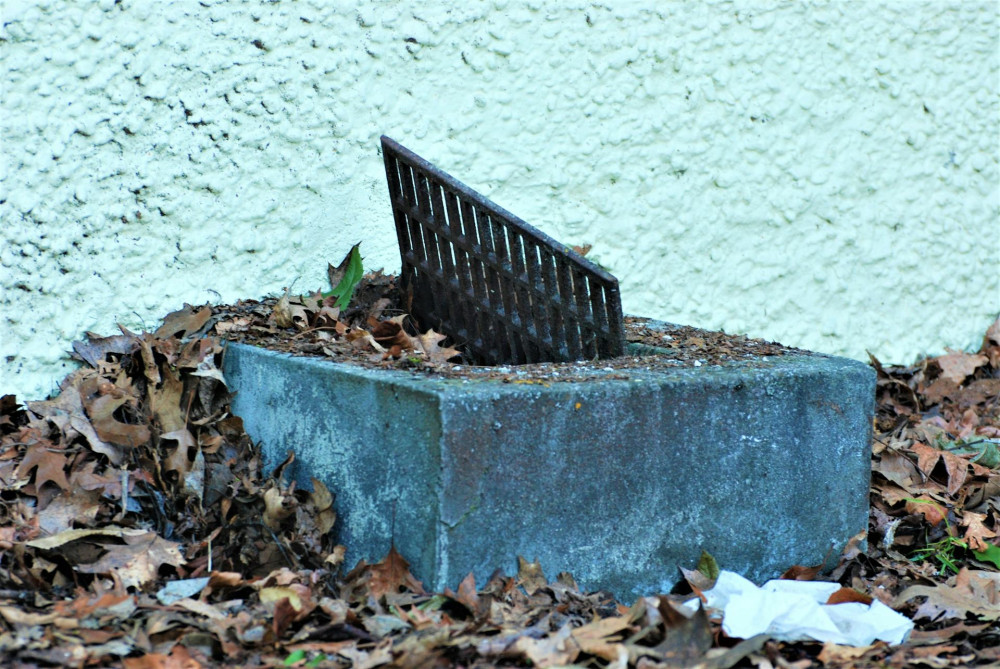
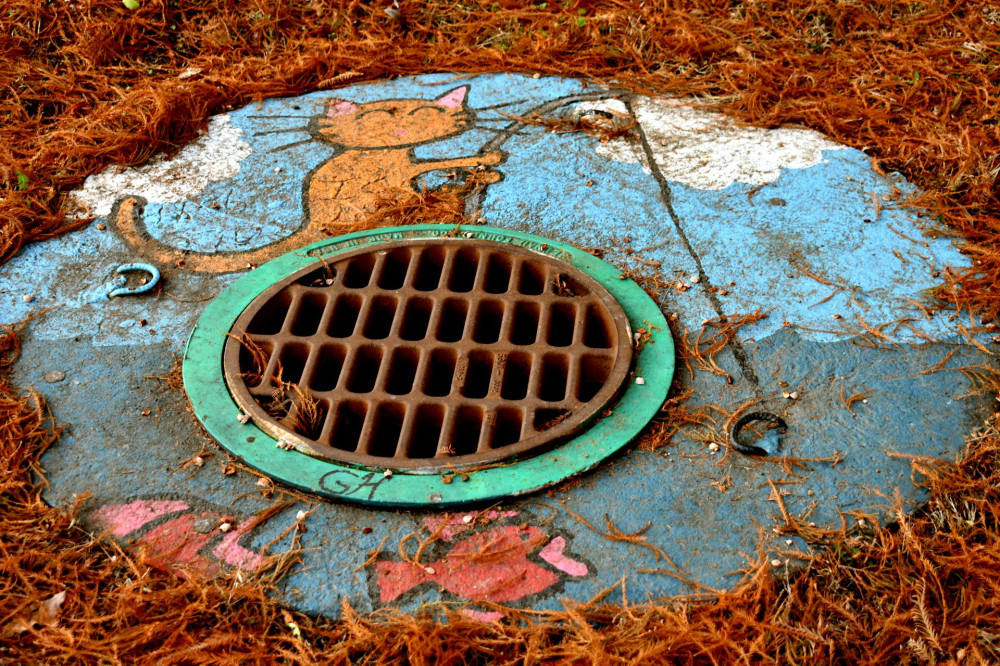
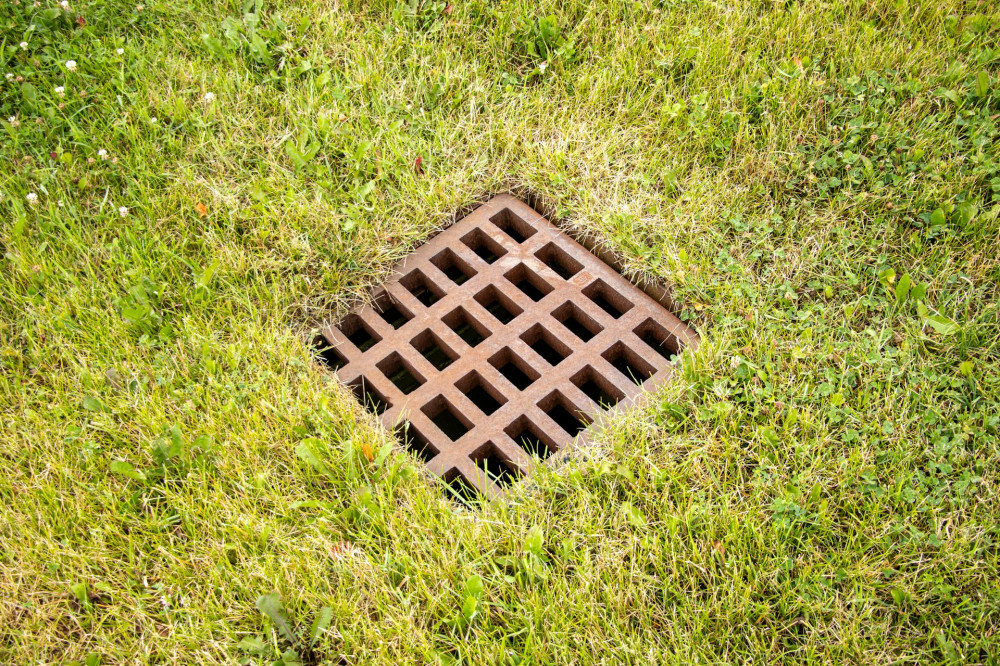
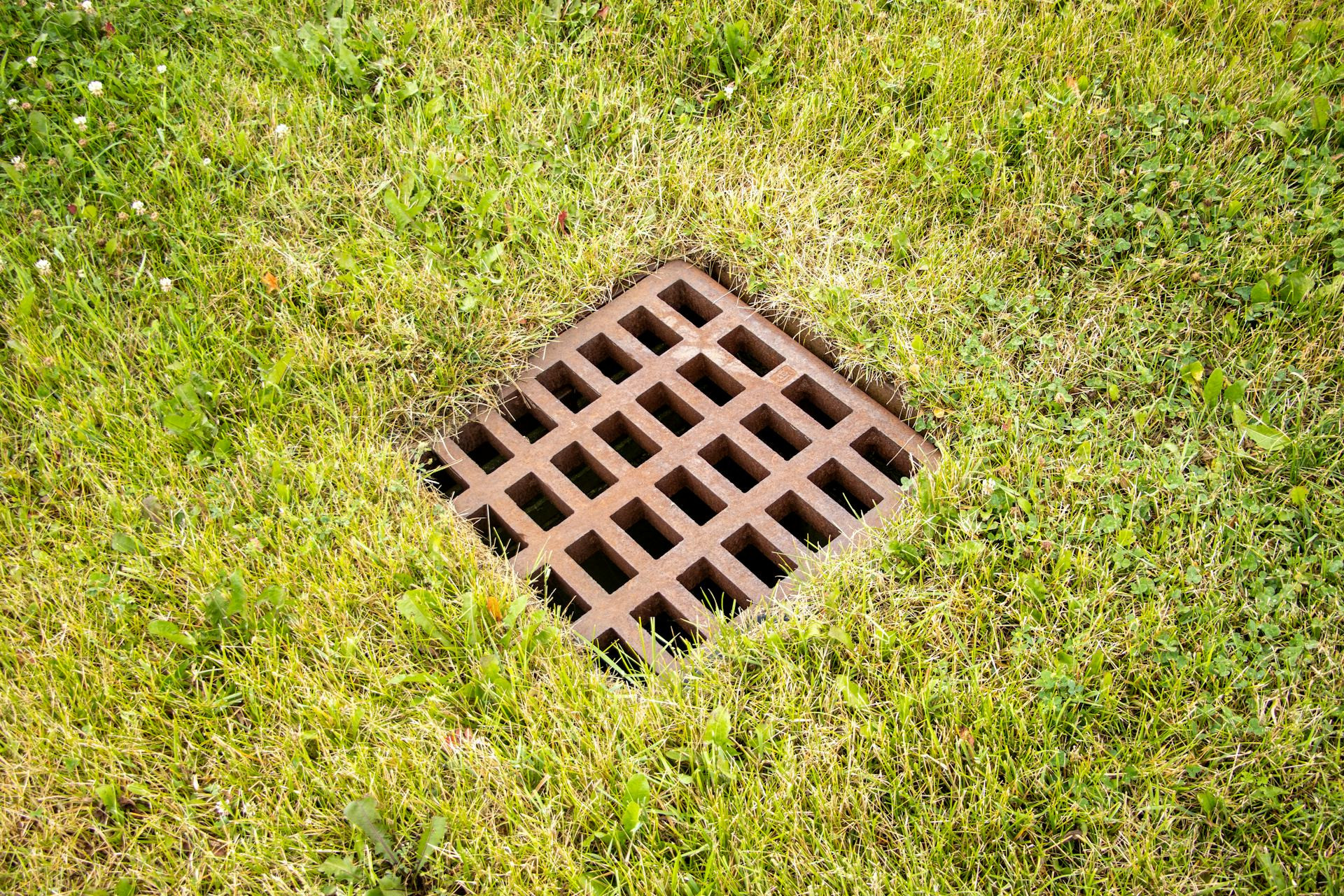
Look for cleanouts or drain outlets Walk around your home’s exterior and look for small capped pipes or grates near the foundation. These could be access points for a footing drain system.
-
Hire a professional inspection A licensed plumber or waterproofing contractor can use cameras or water tests to determine whether a drain system exists and whether it’s functioning properly. This is the most reliable way to know for sure.
Why Older Drainage Systems Often Fail
Even if your home has a drainage system, it may no longer be doing its job. Drain pipes can clog over time with soil, roots, or mineral buildup. The gravel or filter fabric surrounding them can also become compacted, reducing water flow.
Homes built before the 1970s often lack modern drainage altogether, or they may have outdated clay or metal pipes that have deteriorated. If your home is older and you’re experiencing moisture problems, it may be time to consider an upgrade.
What to Do If You Don’t Have Drainage
If you discover that your home lacks proper drainage—or that the existing system has failed—there are several solutions:
-
Install a new perimeter drain This involves excavating around the foundation and installing new perforated pipes with proper slope and gravel backfill. It’s a significant project but often the most effective long-term fix.
-
Improve surface drainage Make sure the ground slopes away from your home so rainwater doesn’t collect near the foundation. Keep gutters and downspouts clean, and extend downspouts at least 5–10 feet away from the house.
-
Add waterproofing or insulation In some cases, combining exterior waterproofing with a new drain system provides the best protection against moisture intrusion.
Before starting any major work, consult a qualified contractor or structural engineer. They can assess your soil type, foundation design, and local conditions to recommend the best approach.
Læs også:

Maintaining Your Drainage System
Once you have a functioning drainage system, regular maintenance is key. Check cleanouts or drain outlets annually, and have the system flushed if you notice slow drainage or standing water. Keeping gutters and downspouts clear is also essential—clogged gutters are one of the most common causes of foundation moisture.
A Smart Investment in Your Home’s Health
A well-designed drainage system isn’t just a technical detail—it’s an investment in your home’s longevity and indoor air quality. By recognizing the signs of poor drainage and addressing them early, you can prevent costly repairs and keep your home dry, stable, and healthy for years to come.
Læs også: