From Sink to Sewer: How Your Home’s Drainage System Works

From Sink to Sewer: How Your Home’s Drainage System Works
When you pull the plug in your sink or flush the toilet, the water disappears almost instantly. But have you ever wondered where it actually goes? Your home’s drainage system is a hidden yet essential part of your household infrastructure. It safely carries wastewater away, prevents unpleasant odors, and protects your home from moisture and contamination. Here’s a look at how it all works—from sink to sewer.
From the Drain to the Main Line
It all starts with the visible drains: the sink, shower, bathtub, and toilet. When you use water, it flows through a trap—the curved section of pipe that always holds a small amount of water. This water acts as a seal, blocking sewer gases from rising into your home.
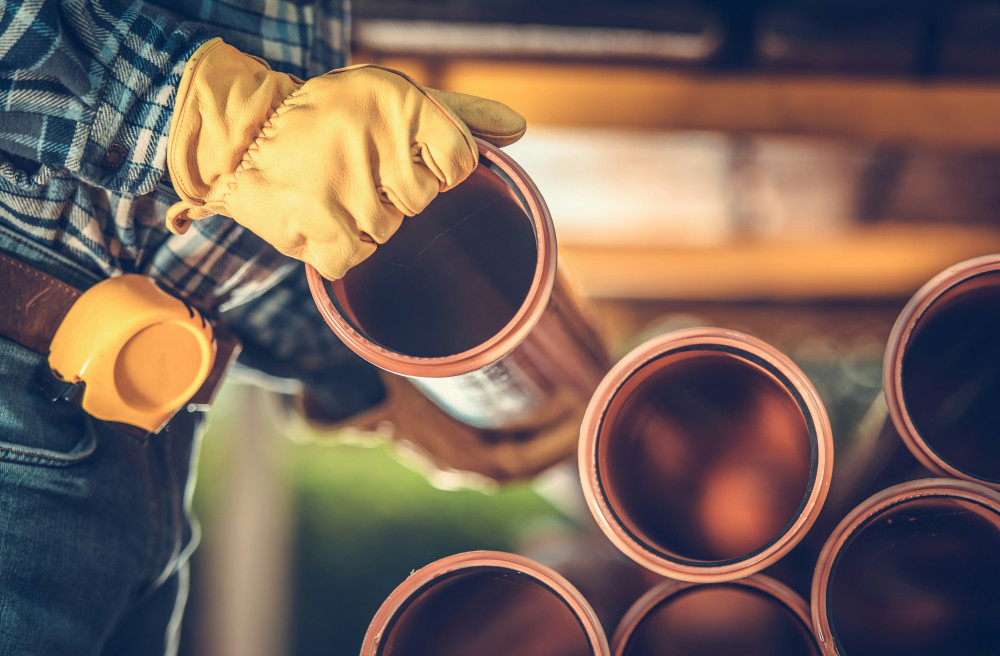
From the trap, wastewater moves through the house’s internal drainpipes, usually made of PVC or ABS plastic. These pipes collect water from different fixtures and direct it toward a main stack—a vertical pipe that carries wastewater down through the house and out to the sewer line.
The Main Stack – The Backbone of the System
The main stack is the central artery of your home’s drainage system. It must handle large volumes of water quickly, especially when multiple fixtures are in use. To prevent gurgling sounds and suction that could empty traps, the stack is equipped with vent pipes that extend through the roof. These vents allow air to enter the system, keeping pressure balanced and water seals intact.
In multi-story buildings, each unit typically connects to a shared stack, while single-family homes have one main stack that serves the entire house.
From the House to the Public Sewer
Once wastewater leaves the main stack, it flows into the house sewer line, which runs underground to the public sewer system maintained by the local municipality or utility. The point where your private line connects to the public system is often called the cleanout or property line connection—a key access point for inspection and maintenance.
In many U.S. communities, sewer systems are designed in one of two ways:
- Combined systems, where stormwater and wastewater share the same pipes.
- Separate systems, where stormwater and wastewater are kept apart, allowing rainwater to flow directly to rivers or treatment basins without overloading the sewage plant.
Many cities are gradually converting older combined systems to separate ones to reduce flooding and pollution during heavy rain.
Treatment and Discharge
When wastewater reaches a treatment plant, it goes through several stages—mechanical, biological, and chemical. Solids are removed, organic matter is broken down, and nutrients are reduced before the cleaned water is released back into rivers, lakes, or the ocean. In some regions, treated water is reused for irrigation or industrial purposes.
Stormwater that’s collected separately may be directed to retention ponds, infiltration basins, or rain gardens, which help reduce runoff and recharge groundwater.
Maintenance and Prevention
A well-functioning drainage system needs regular care. Grease, hair, and soap residue can build up over time, and tree roots can invade underground pipes. To keep things running smoothly:
- Clean traps and drains regularly.
- Never pour grease, coffee grounds, or food scraps down the sink.
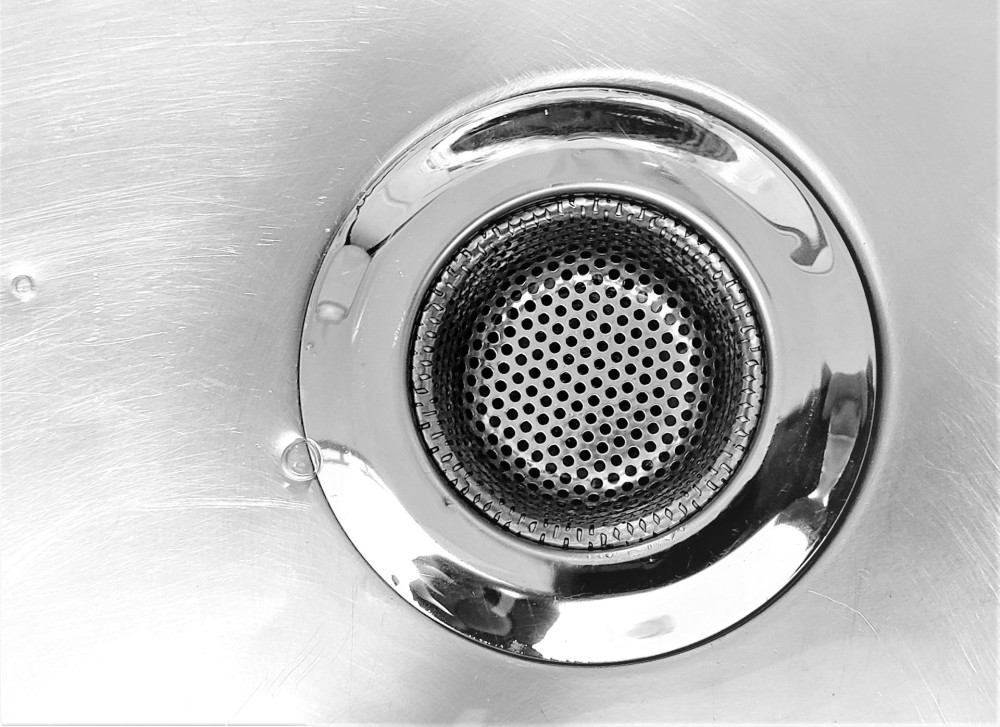
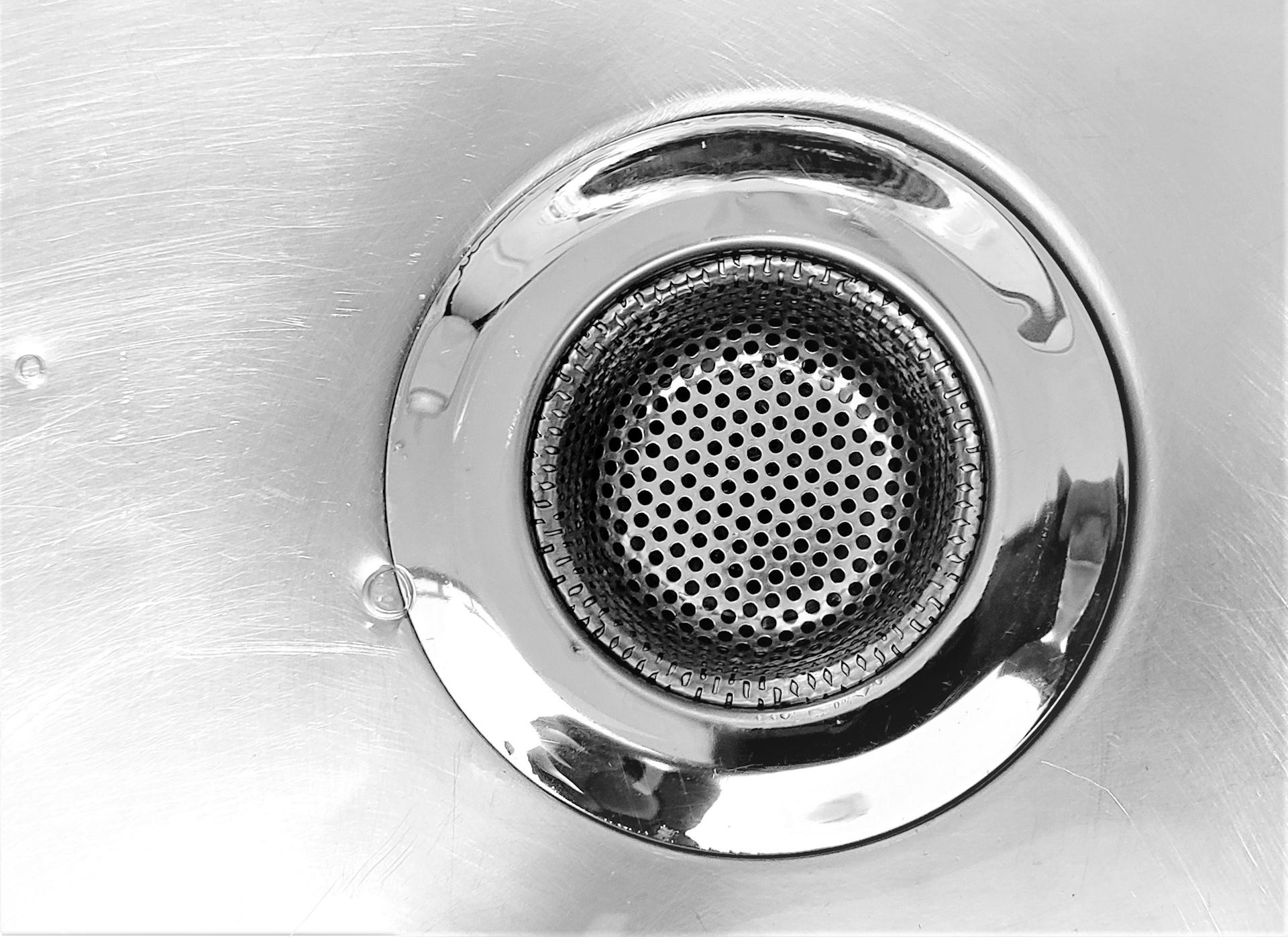
- Use strainers in sinks and showers to catch debris.
- Schedule a camera inspection if you experience frequent clogs or slow drains.
- Make sure gutters and downspouts direct rainwater away from your foundation.
Proper maintenance not only prevents costly repairs but also protects your home and the environment.
When Problems Arise
Slow drains, foul odors, or water backing up in floor drains are common warning signs. Minor clogs can often be cleared with a plunger or drain snake, but if the issue lies deeper in the system, it’s best to call a licensed plumber. In most states, only certified professionals are allowed to repair or replace underground sewer lines.
Læs også:
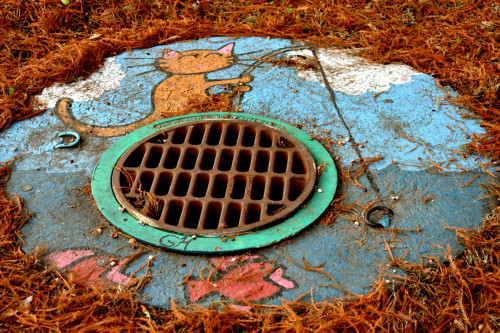

An Invisible System with a Big Impact
Though it’s hidden behind walls and beneath floors, your home’s drainage system is one of its most vital components. It keeps your living spaces clean, safe, and comfortable while ensuring wastewater is handled responsibly. So the next time you flush or drain the sink, remember: a whole network of pipes, vents, and treatment systems is quietly working to carry that water safely away.
Læs også: