Green Garage: How to Use Natural and Recycled Materials


Green Garage: How to Use Natural and Recycled Materials
A garage doesn’t have to be a cold, gray space made of concrete and steel. With a bit of planning, it can become a sustainable and inviting part of your home—one that’s good for both your car and the planet. By using natural and recycled materials, you can create a green garage that reduces your environmental footprint while improving indoor air quality. Here’s how to build or remodel your garage with sustainability in mind.
Start with the Right Materials
When planning a green garage, the choice of materials is the best place to begin. Natural and recycled materials often require less energy to produce and can create a warmer, more comfortable environment.
- Wood – A renewable and timeless material. Choose FSC-certified or locally sourced lumber to ensure responsible forestry practices. Wood can be used for framing, siding, and doors.
- Reclaimed brick or stone – Salvaged masonry adds character and reduces waste. It’s durable, attractive, and helps preserve resources.
- Recycled steel – For a modern or industrial look, steel is a strong option. Make sure it’s made from recycled metal and can be recycled again in the future.
- Cork and hemp – Natural insulation materials that regulate temperature and humidity while being biodegradable and non-toxic.
Combining several of these materials can result in a garage that’s both functional and environmentally responsible.
Læs også:



Think Reuse and Upcycling
A green garage isn’t just about new materials—it’s also about giving old ones a second life. Upcycling can save money and add unique character to your space.
- Use old doors or windows from architectural salvage yards as new openings or decorative features.
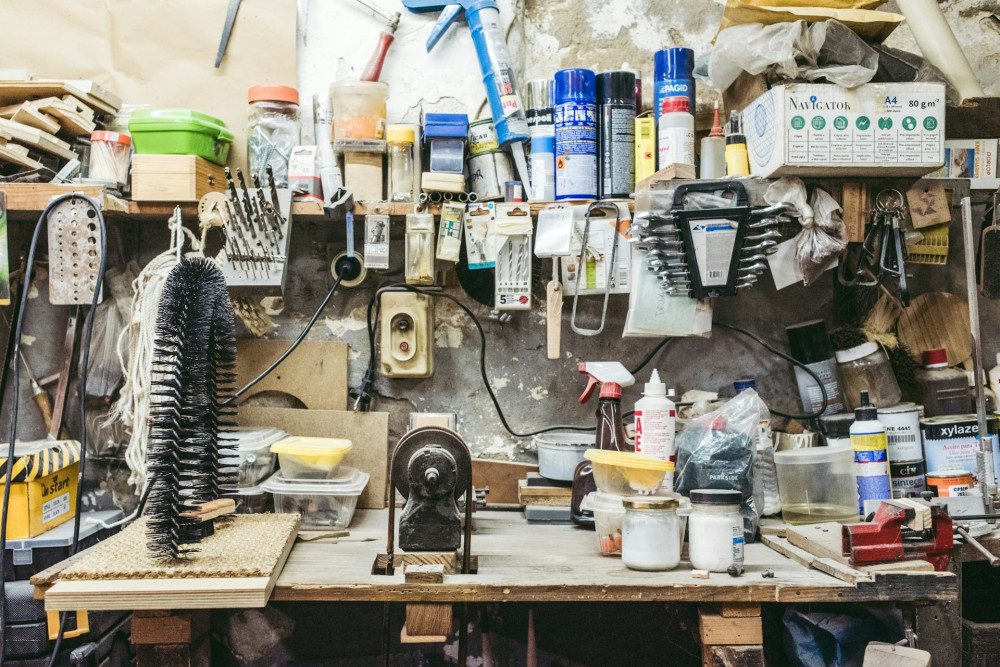
- Build workbenches from reclaimed wood or pallets.
- Turn scrap metal into shelving, hooks, or tool racks.
- Find vintage lighting fixtures or repurpose old industrial lamps.
Many U.S. cities have reuse centers, Habitat for Humanity ReStores, and online marketplaces where you can find quality used building materials. It may take some searching, but the results are worth it—both for your wallet and the environment.
Insulation and Energy Efficiency
A sustainable garage isn’t just built from green materials—it should also be energy-efficient. Good insulation and smart energy choices can reduce both heat loss and electricity use.
- Insulate walls and ceilings with natural materials like cellulose, hemp, or wool.
- Install LED lighting with motion sensors so lights are only on when needed.
- Consider solar panels if your garage roof gets plenty of sunlight.
- Use natural ventilation—operable windows or vents can keep air fresh without mechanical systems.
Even small improvements can make a big difference in comfort, energy savings, and sustainability.
Flooring and Finishes with Care
Garage floors need to be durable, but that doesn’t mean they have to be made from new concrete. There are greener alternatives that perform just as well.
- Recycled concrete – Made from crushed construction waste, it reduces the need for new raw materials.
- Permeable pavers or gravel – Allow rainwater to soak into the ground instead of running off into storm drains.
- Natural finishes – Use linseed oil, beeswax, or low-VOC sealants instead of harsh chemical coatings.
A floor made from natural or recycled materials can make your garage feel warmer and more inviting—especially if you also use it as a workshop or hobby space.
Green Details and Smart Features
Once the main structure is complete, you can add eco-friendly details that make your garage even more sustainable.
- Grow climbing plants on exterior walls for natural insulation and a touch of greenery.
- Install a rainwater collection system from the roof for washing your car or watering your garden.
- Use reclaimed furniture for storage and seating.
- Create a repair station for bikes and tools to encourage reuse and reduce waste.
These small touches turn your garage into more than just a parking space—it becomes a functional, sustainable part of your home.
A Garage Built for the Future
Building or renovating a green garage isn’t just about style—it’s about responsibility. By choosing natural and recycled materials, you help reduce waste, save energy, and create a healthier environment for yourself and future generations.
A green garage proves that sustainability and practicality can go hand in hand. With a bit of creativity and thoughtful planning, you can transform an ordinary garage into a space that truly works for you—and for the planet.
Læs også: