Faster Drying After Winter Driving – How Ventilation Helps

Faster Drying After Winter Driving – How Ventilation Helps
When winter finally loosens its grip, many car owners face a familiar issue: lingering moisture. Snow, slush, and road salt cling to mats, wheel wells, and body panels, and even after a thorough wash, the car can stay damp for days. But with the right ventilation, you can speed up the drying process—and protect your vehicle from rust, odors, and corrosion. Here’s how proper airflow helps your car dry faster after winter driving.
Why Moisture Becomes a Problem After Winter
Winter driving exposes your car to moisture in countless ways. Snow and ice melt in the wheel wells, water seeps into small crevices, and inside the cabin, wet shoes and coats bring in moisture that soaks into carpets and upholstery. The result is a damp environment that can harm both metal and fabric.
Moisture in your car can lead to:
- Foggy windows, making it harder to see and adding time to your morning routine.
- Unpleasant odors from damp mats and seats.
- Rust and corrosion, especially if road salt remains on the surface.
- Electrical issues, if moisture reaches wiring or connectors.
So drying your car isn’t just about comfort—it’s about preserving its condition and value.
How Ventilation Speeds Up Drying
Airflow is the key to removing moisture. When air moves, it picks up and carries away water vapor from surfaces. Without circulation, moisture lingers, and drying slows to a crawl.
There are several ways to use ventilation effectively:
- Natural ventilation: Open doors, windows, or the trunk for a few minutes to let fresh air circulate. This works best if the car is parked in a dry, sheltered area.
- Mechanical ventilation: Use your car’s own system. Turn the fan to high and select warm air to help evaporate moisture faster.
- External ventilation: In a garage, a small fan or dehumidifier can make a big difference. It keeps air moving and reduces humidity levels.
Læs også:

Steps for Faster Drying After a Winter Wash
After washing away winter grime, it’s important to dry your car thoroughly before parking it for the night. Here’s a simple routine:
- Take a short drive after washing. The motion and engine heat help evaporate water from wheel wells and brakes.
- Open doors and the trunk for a few minutes when you return home to let humid air escape.
- Wipe down door seals and jambs with a cloth to prevent them from freezing shut.
- Use the ventilation system: Run the heater and fan on high for several minutes, and if your car has air conditioning, turn it on—it acts as a dehumidifier.
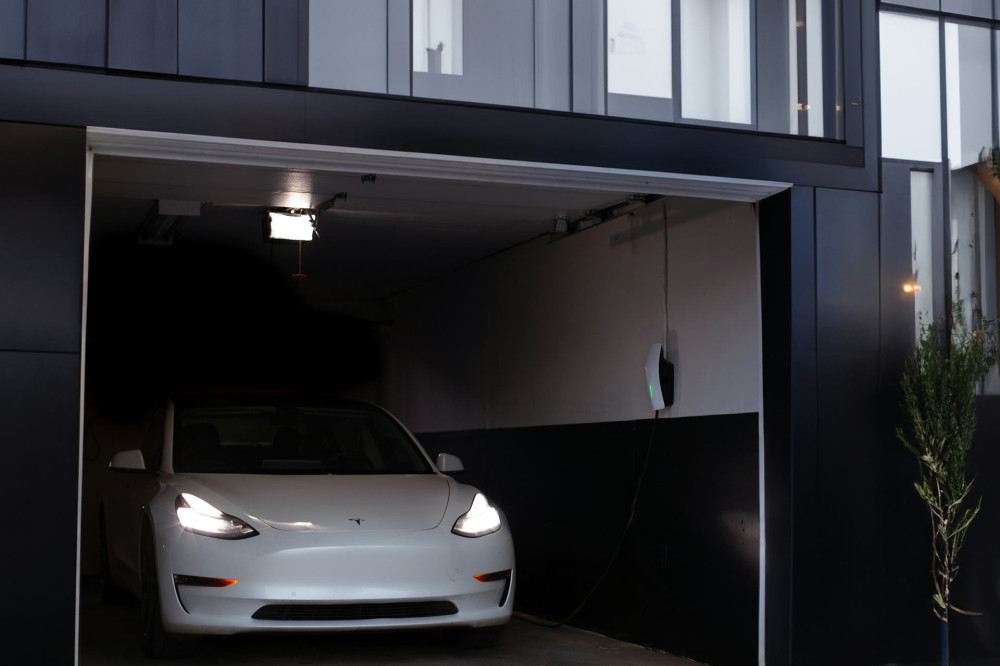
- Park in a dry, ventilated space, ideally a garage with airflow or a dehumidifier.
These small steps can cut drying time from days to just a few hours.
Garage Ventilation – The Overlooked Helper
Many drivers assume a closed garage offers the best protection, but without ventilation, moisture can get trapped inside. When you park a wet car in a sealed space, humidity rises quickly, and condensation forms on both the car and the walls.
Good garage ventilation provides:
- Lower humidity, so your car dries faster.
- Reduced rust risk, especially underneath the vehicle.
- A healthier indoor environment, free from musty smells and mold.
You can achieve this with natural airflow through vents or with a small mechanical fan. Combined with a dehumidifier, it keeps both your car and garage dry year-round.
Prevention: Keeping Moisture Out From the Start
The best way to avoid long drying times is to prevent moisture buildup in the first place. Try these habits:
- Use rubber floor mats in winter—they trap water and are easy to clean.
- Knock snow and ice off your shoes before getting in.
- Wipe down the car after washing, especially around door frames and mirrors.
- Check drains and seals to ensure water doesn’t collect in hidden areas.
These simple habits go a long way toward keeping your car dry and well-maintained.
A Dry Car Is a Healthy Car
Ventilation might not be the first thing that comes to mind when caring for your car, but it’s one of the most effective ways to fight moisture. A well-ventilated car dries faster, smells fresher, and resists rust—saving you time, money, and frustration.
So next time you wash your car after a long winter, remember: fresh air is your best drying tool.
Læs også: