Formal Meets Informal: The Balance in Modern Garden Design

Formal Meets Informal: The Balance in Modern Garden Design
In today’s garden design, the choice is no longer between strict formality and wild informality. Instead, many homeowners are seeking a balance where structure and spontaneity coexist in harmony. It’s an approach that reflects contemporary aesthetics and a growing desire to create outdoor spaces that feel personal, vibrant, and environmentally responsible.
From Straight Lines to Living Shapes
Traditional formal gardens were defined by symmetry, clipped hedges, and precise geometry—echoing the grandeur of European estates. Informal gardens, on the other hand, celebrated nature’s freedom with meandering paths, native plants, and organic shapes.
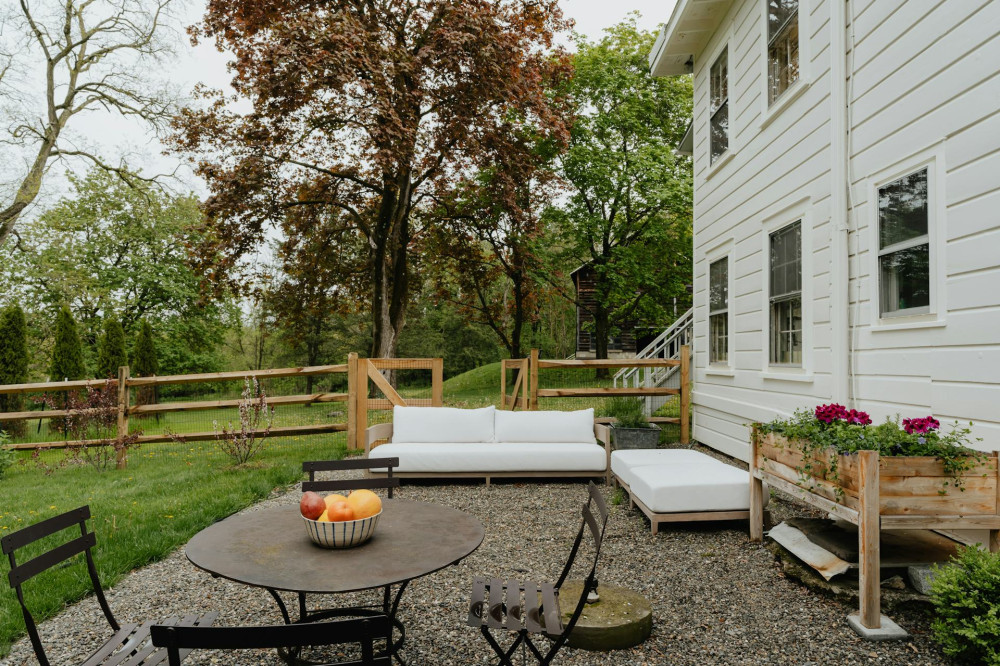
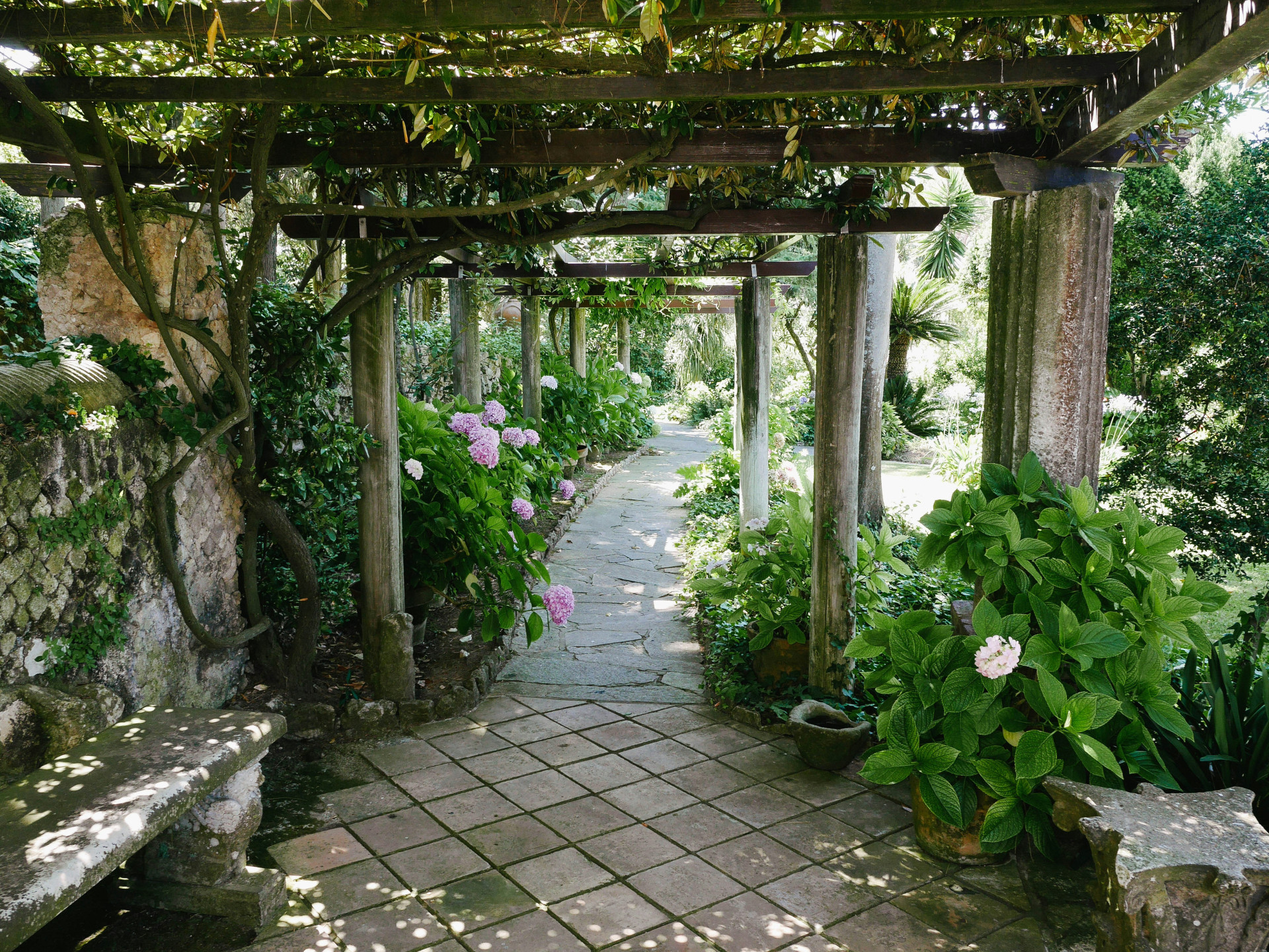
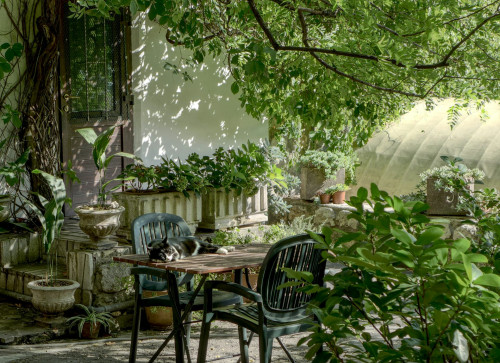
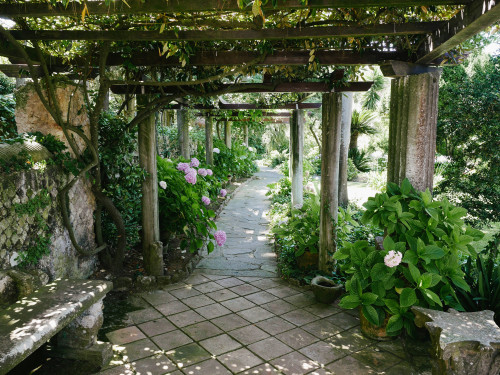
Modern American gardens often blend these two worlds. A yard might feature a clean, geometric layout—straight walkways, defined beds, or a central patio—softened by lush, free-flowing plantings. The result is a space that feels both orderly and alive, offering calm structure without losing the charm of natural movement.
Designing with Contrast
The balance between formal and informal often emerges through contrast—between materials, textures, and colors.
- Materials: Pair sleek concrete or steel with natural stone or reclaimed wood. Let a crisp lawn edge meet a gravel path or a wildflower border.
- Plants: Combine sculpted boxwoods or ornamental shrubs with airy grasses, native perennials, or pollinator-friendly blooms.
- Colors: Use a restrained palette as a foundation, then introduce bold accents to create energy and focus.
When these contrasts are intentional, they create visual tension that keeps the garden engaging without feeling chaotic.
Function and Atmosphere in Harmony
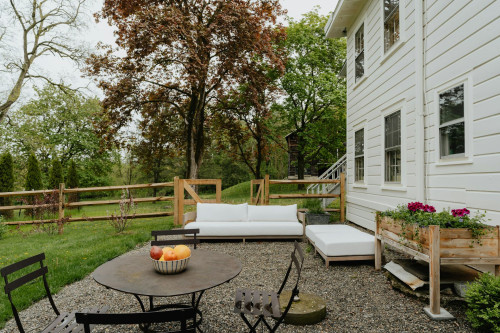
Modern garden design is as much about how a space works as how it looks. Outdoor areas are now extensions of the home—places for relaxation, entertaining, and even growing food. Thoughtful zoning helps achieve this balance: a structured patio or dining area near the house can transition into a looser, more natural landscape farther out.
Imagine a sleek deck with modern furniture that opens onto a meadow-style planting of native grasses and wildflowers. The shift in tone feels organic, guiding the eye and the body from order to freedom.
Plants That Bridge the Styles
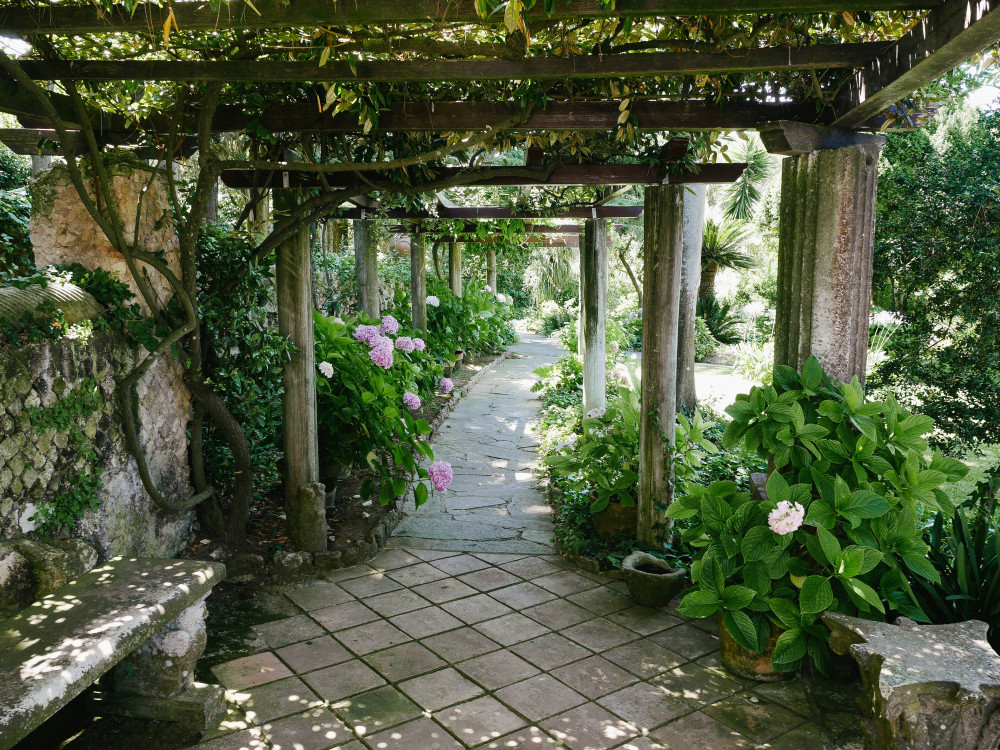
Plant selection plays a key role in uniting formal and informal elements. Many designers favor species that thrive in both contexts—lavender, hydrangeas, ornamental grasses, and perennials like coneflowers or salvias. These plants offer structure, texture, and movement all at once.
Repeating certain plants throughout the garden helps tie different areas together. Even when the design shifts from crisp to casual, repetition creates rhythm and cohesion, making the garden feel like a single, unified space.
Sustainability as Common Ground
Sustainability has become a defining feature of modern American gardens. Here, the formal and informal meet again: even a carefully designed yard can include native plantings, rain gardens, and pollinator habitats. These choices not only support biodiversity but also reduce maintenance and water use.
By integrating ecological thinking into design, the garden becomes more than a visual statement—it becomes part of a living system. This adds depth to the balance between human intention and nature’s own creativity.
Læs også:
A Garden with Personality
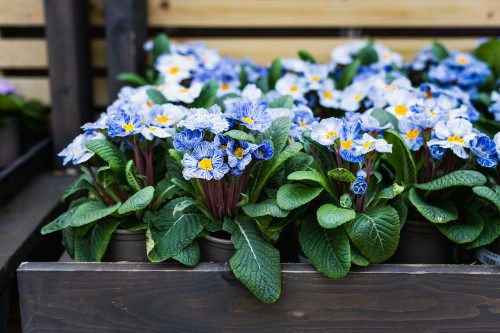
When formal meets informal, the result is a garden that feels both designed and alive. It’s not about following a single style but about creating a space that reflects who you are and how you live. A place where structure offers serenity, nature brings vitality, and the two together form a landscape that feels truly your own.
Læs også: