Upgrade Your Home’s Locks Step by Step for Increased Security

Upgrade Your Home’s Locks Step by Step for Increased Security
A secure home starts with strong locks. Many Americans think first of alarm systems and cameras when improving home security, but a solid lock remains the most fundamental and effective defense against break-ins. If your locks are old, worn, or outdated, it may be time for an upgrade. Here’s a step-by-step guide to improving your home’s locking system—from evaluation to installation.
Step 1: Inspect Your Current Locks
Begin by checking every exterior door and accessible window. Look for:
- Age and condition – Locks older than 10–15 years may be worn or lack modern security features.
- Certification – Look for locks that meet ANSI/BHMA standards (Grade 1 being the highest). Certified locks are tested for durability and resistance to forced entry.
- Number of locks – Exterior doors should have at least one high-quality deadbolt in addition to the standard latch lock.
If you’re unsure about your locks’ quality, a licensed locksmith can assess whether they meet current security standards.
Step 2: Choose the Right Type of Lock
There are many types of locks available, and the best choice depends on your door type, lifestyle, and security needs.
- Deadbolts – The most common and reliable option for exterior doors. Choose a Grade 1 deadbolt with anti-drill and anti-pick features.
- Keyless entry locks – Ideal for families or rental properties. These use a keypad or smartphone app instead of a physical key.
- Smart locks – Allow remote control and monitoring through Wi-Fi or Bluetooth. Some models integrate with home security systems or voice assistants.
- Reinforced strike plates – Strengthen the door frame and make it harder to kick in the door.
You can also consider a keyed-alike system, where one key opens multiple doors, reducing the need for a bulky keychain.
Step 3: Prepare for Installation
Before replacing your locks, take accurate measurements:
- The distance between the lock cylinder and the edge of the door (backset).
- The thickness of the door.
- Whether the door swings to the right or left.
These details ensure you purchase a lock that fits perfectly. For smart locks, check that your door has enough space for batteries and internal components.
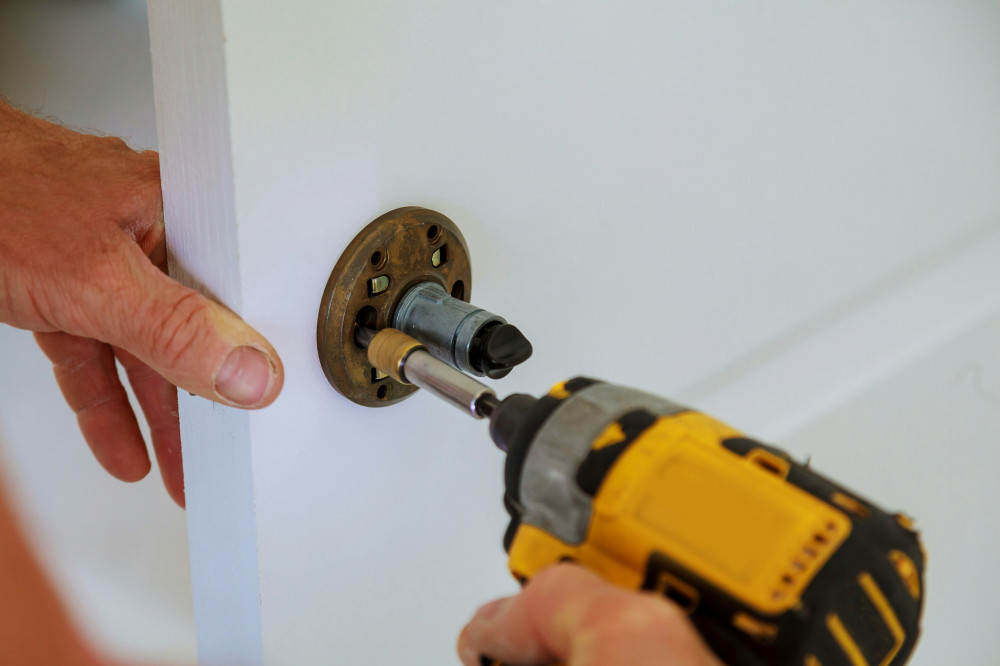
Step 4: Replace the Locks—or Hire a Professional
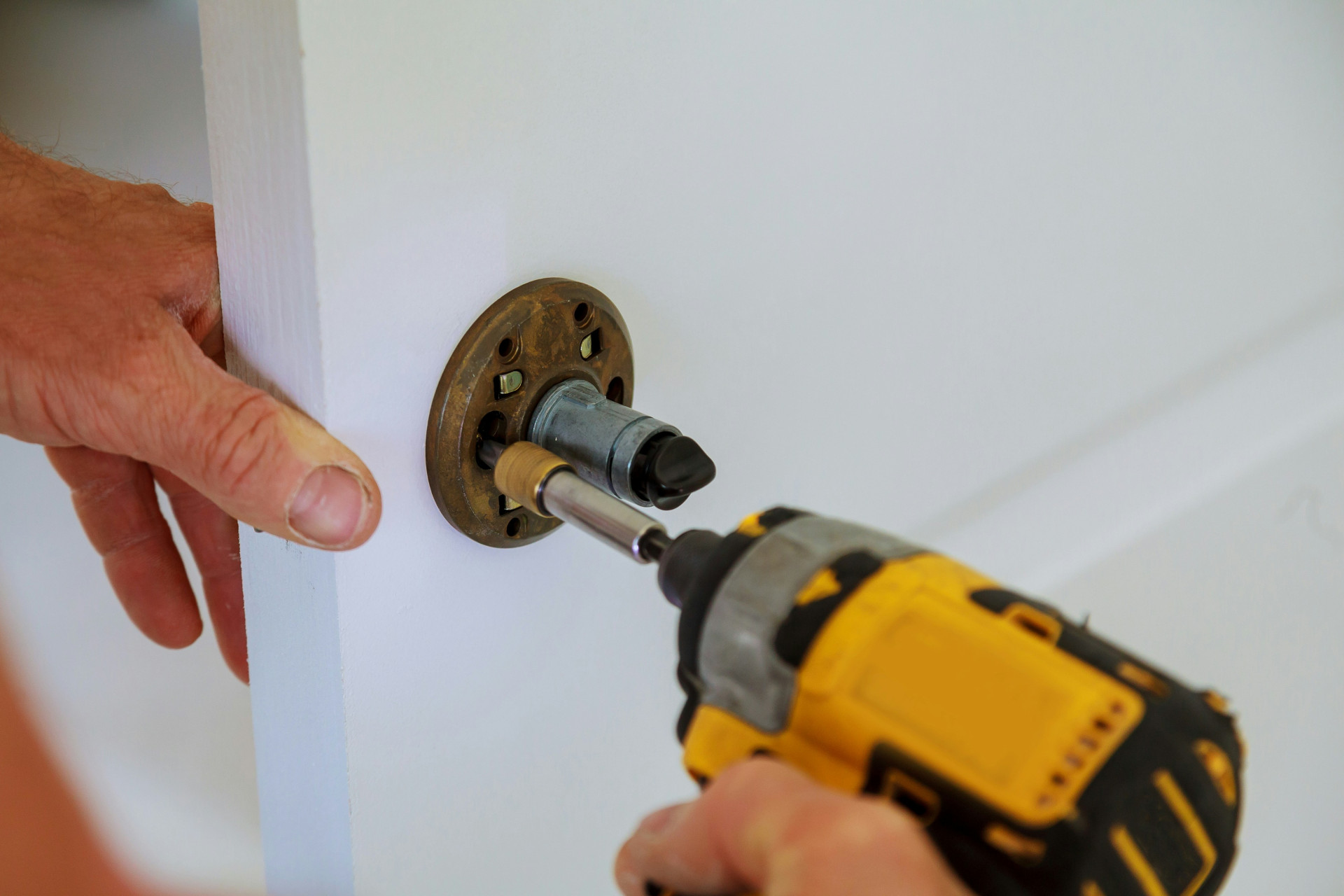
While many locks can be replaced with basic tools, hiring a professional locksmith is often worth the investment. A pro can:
- Install the lock correctly so it aligns and functions smoothly.
- Ensure the lock meets insurance or local building requirements.
- Recommend additional reinforcements, such as door armor kits or security plates.
If you prefer to do it yourself, follow the manufacturer’s instructions carefully and test the lock several times before relying on it.
Læs også:

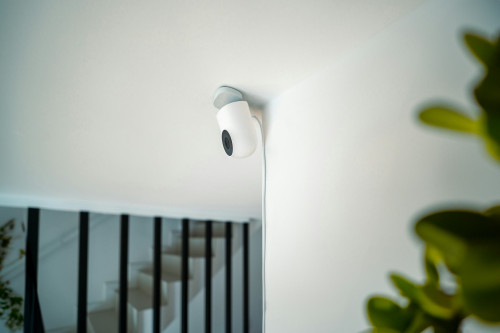
Step 5: Add Extra Layers of Security
A good lock is a strong start, but you can boost your home’s protection with a few simple upgrades:
- Window locks – Prevent windows from being opened from the outside.
- Door chains or security bars – Let you open the door slightly without giving full access.
- Outdoor lighting – Motion-activated lights deter potential intruders.
- Avoid hiding spare keys outdoors – Thieves know to check under mats, flowerpots, and mailboxes. Instead, leave a spare with a trusted neighbor or use a secure lockbox.
These small steps can make a big difference in everyday safety.
Step 6: Maintain and Update Regularly
Even the best locks need maintenance. Lubricate the cylinder with graphite powder or lock lubricant once or twice a year, and make sure the key turns smoothly. If you lose a key, have the lock rekeyed immediately—it’s cheaper than replacing the entire system.
Technology evolves quickly, so stay informed about new options. Smart locks may need software updates, while mechanical locks can be reinforced with upgraded hardware.
A Safe Home Starts with Strong Locks
Upgrading your home’s locks is an investment in peace of mind. With modern locks, proper installation, and regular maintenance, you can significantly reduce the risk of break-ins. It’s not just about protecting your belongings—it’s about creating a home where you and your family feel safe every day.
Læs også: