Table Materials Across Cultures: A Journey Through Design and Traditions

Table Materials Across Cultures: A Journey Through Design and Traditions
A table is more than a surface with legs. It is a gathering place, a symbol of community, and an expression of culture and craftsmanship. Throughout history, people around the world have built tables from the materials available to them—shaping unique traditions of design, function, and beauty. From Japanese cedar tables to Moroccan mosaic masterpieces and American oak dining tables, the materials tell stories of climate, lifestyle, and values.
The Warmth of Wood – From the American Heartland to Japan
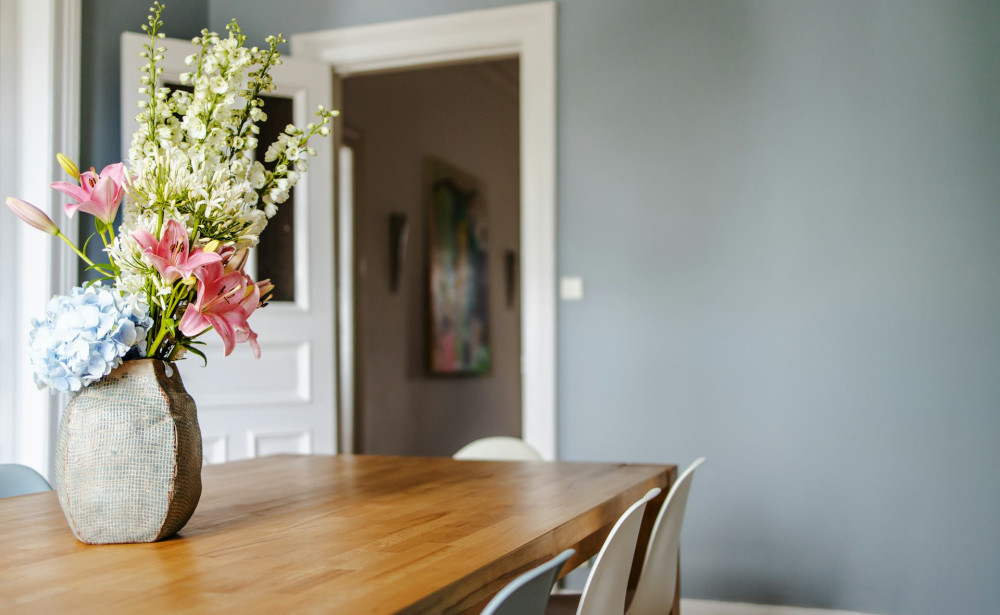
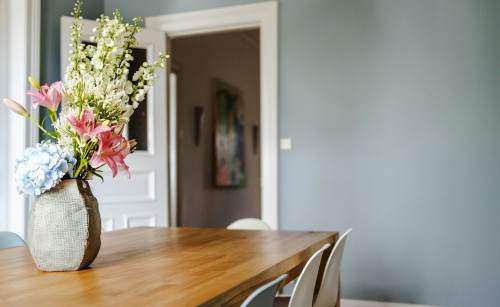
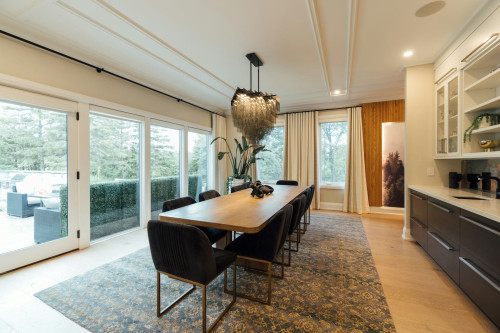
In the United States, wood has long been the material of choice for tables. Early settlers crafted sturdy pieces from local species like oak, maple, and pine—materials that reflected both abundance and practicality. Over time, these wooden tables became central to family life, from rustic farmhouse tables in the Midwest to sleek walnut dining tables in modern homes. The grain, texture, and warmth of wood continue to symbolize comfort and authenticity in American design.
In Japan, wood holds a similarly revered place, though the aesthetic differs. Japanese tables, often made from cedar or cherry wood, are low to the ground and designed for sitting on tatami mats. The craftsmanship emphasizes simplicity and harmony, with smooth surfaces and subtle details that honor the natural beauty of the material. Where Americans may value durability and presence, Japanese design seeks balance and serenity.
Læs også:


Stone and Mosaic – The Mediterranean’s Colorful Heritage
In the sun-drenched regions of Southern Europe and North Africa, stone and ceramic have shaped table traditions for centuries. In Morocco and Spain, mosaic-topped tables made from glazed tiles are both functional and decorative, their intricate patterns reflecting cultural symbolism and artistic heritage. These tables withstand heat and weather, making them ideal for outdoor courtyards and terraces.
In Italy and Greece, marble has long been a mark of elegance and endurance. A marble table, whether in a Roman villa or a modern patio, conveys timeless sophistication. The cool, smooth surface contrasts beautifully with warm surroundings, embodying a sense of luxury that continues to inspire contemporary designers.
Metal and Modernity – From Industry to Minimalism
The industrial revolution transformed table design by introducing metal as a key material. Iron, steel, and later aluminum allowed for lighter, stronger, and more versatile structures. In France, the iconic café table—with its cast-iron base and marble top—became a symbol of urban life and social connection. In the United States, the rise of factories and machine production led to the popularity of steel-framed tables in both homes and offices.
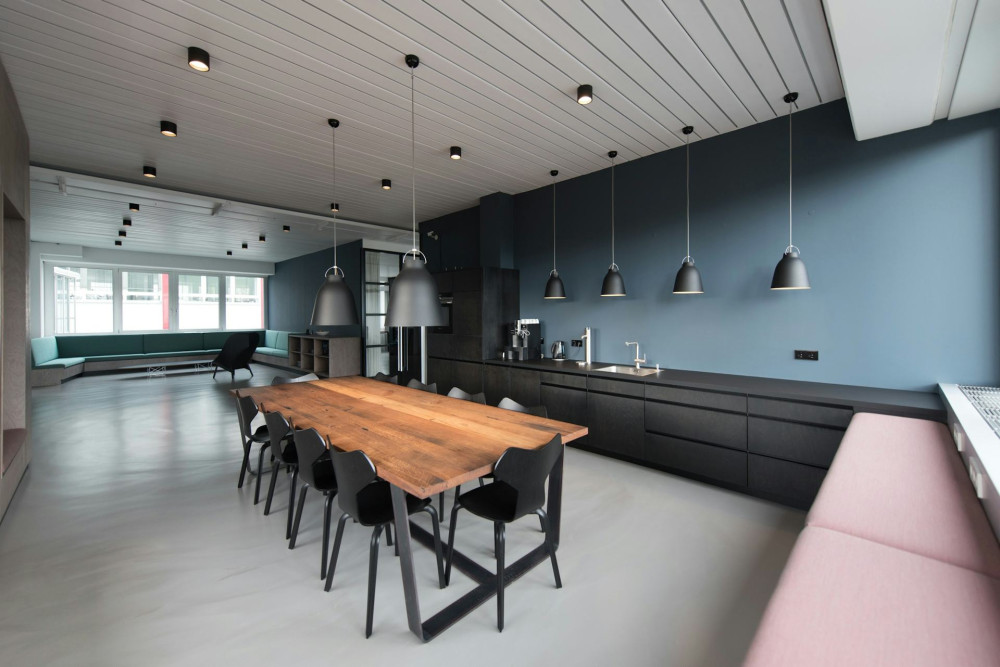
Today, metal is often paired with other materials: steel legs supporting a reclaimed wood top, or brass accents adding warmth to a minimalist design. The industrial aesthetic—once purely functional—has evolved into a style that celebrates raw textures, visible welds, and honest craftsmanship.
Glass and Innovation – Transparency and Sustainability
By the mid-20th century, designers began experimenting with glass, plastic, and composite materials. Glass tables became popular for their lightness and ability to make spaces feel open and airy—an ideal fit for modern American homes emphasizing natural light and clean lines. Meanwhile, innovations in materials like laminate, concrete, and recycled wood have made it possible to combine beauty with sustainability.
Across cultures, there is a growing movement toward reusing and reinterpreting traditional materials. A table might be made from reclaimed barn wood, repurposed metal, or locally sourced stone—each piece carrying a story of environmental awareness and respect for heritage.
The Table as a Cultural Mirror
When we look at table materials across cultures, it becomes clear that a table is never just a piece of furniture. It reflects how people live, eat, and come together. In some cultures, the table is low and surrounded by cushions; in others, it is tall and dressed with linens and fine china. The choice of material reveals not only climate and resources but also values and ways of connecting.
Whether it’s a solid oak table in an American dining room, a hand-cut mosaic table in a Moroccan courtyard, or a minimalist glass table in a Tokyo apartment, each one tells a story. Every table is a testament to how we shape our spaces for gathering—and how materials, in their diversity, connect us across time and culture.
Læs også: