Plan Energy Renovations with a Focus on the Future

Plan Energy Renovations with a Focus on the Future
Energy renovation isn’t just about cutting your utility bills today—it’s about preparing your home for the decades ahead. When you plan a renovation, it’s the perfect opportunity to make your house more energy-efficient, comfortable, and sustainable. With rising energy costs and growing awareness of climate change, thinking long-term has never been more important. Here’s how to plan an energy renovation with a focus on the future.
Start by Understanding Your Energy Use
Before you begin, it’s essential to know where your energy is going. A professional home energy audit can reveal where your house is losing heat or wasting electricity, helping you identify the most effective improvements. Common problem areas include insulation, windows, air leaks, and outdated heating or cooling systems.
You can also use online energy calculators or contact your local utility company—many offer free or discounted audits. This information gives you a solid foundation for prioritizing upgrades that deliver the biggest impact, both financially and environmentally.
Think Holistically—Not Just One Project at a Time
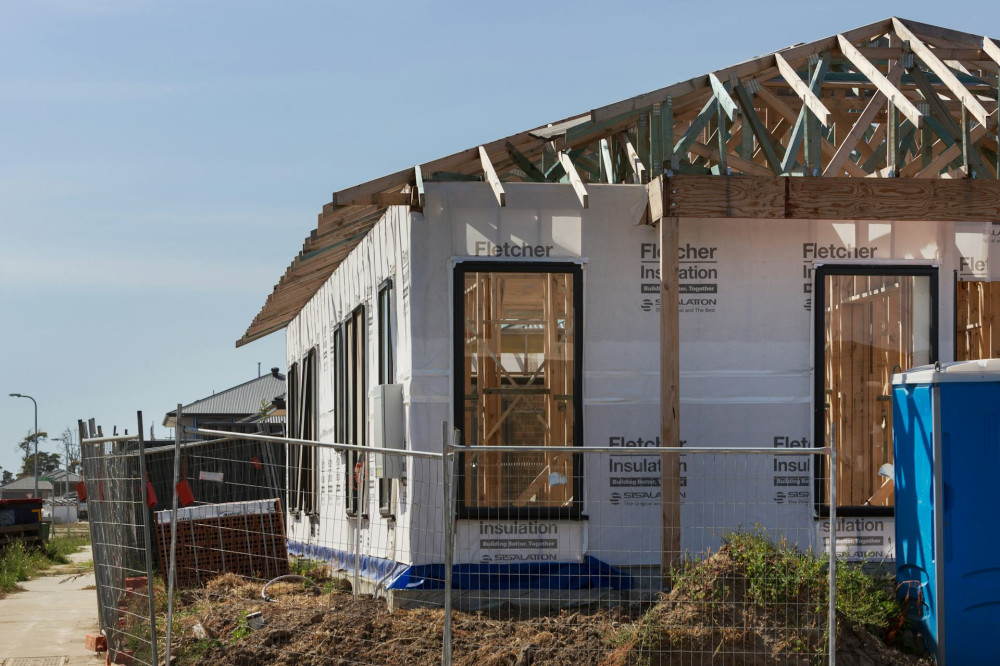
It’s tempting to start with a single upgrade, like replacing windows or adding attic insulation. But the best results come from viewing your home as an integrated system. For example, a new heat pump will perform best in a well-insulated home, and new windows may change ventilation needs.
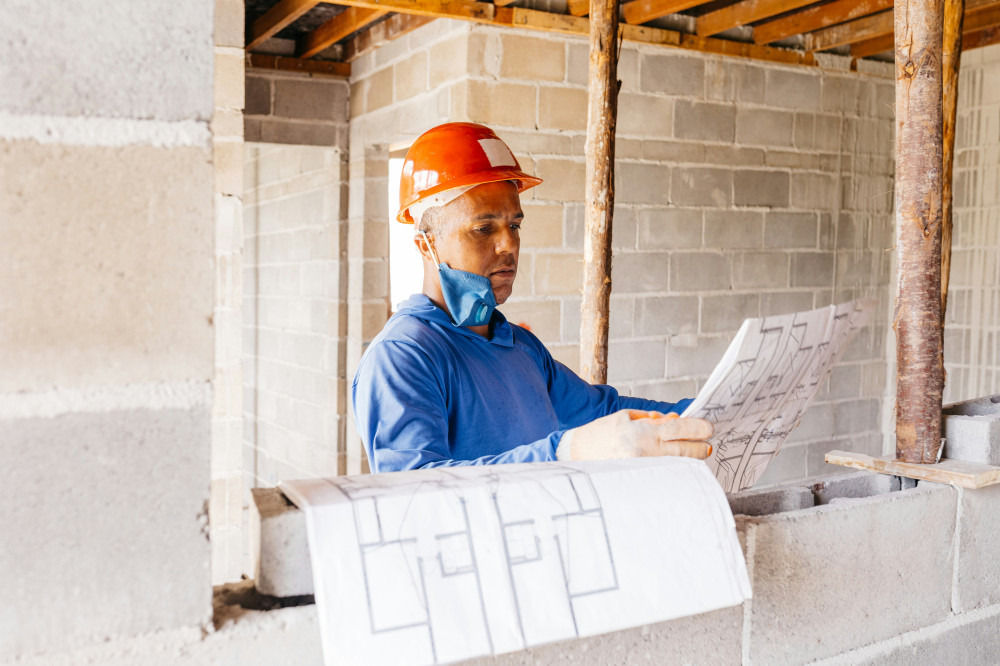
Create a comprehensive plan that outlines your renovation in stages. This approach helps you coordinate contractors, avoid redundant work, and ensure that each investment complements the next. A master plan also makes it easier to apply for rebates or financing programs that require documented energy strategies.
Choose Durable, Future-Proof Materials and Solutions
When renovating, it can be tempting to go for the lowest upfront cost. But high-quality materials and long-lasting solutions pay off over time. Consider:
- Low-carbon insulation materials, such as cellulose or mineral wool.
- Triple-pane windows, which reduce heat loss and outside noise.
- High-efficiency HVAC systems, like air-source or ground-source heat pumps.
- Heat recovery ventilation systems, which provide fresh air without wasting energy.
Also think about the life cycle of your materials—can they be recycled or replaced sustainably in the future? A truly sustainable renovation considers not only energy use but also resource use.
Embrace Smart Technology and Digital Control
Modern technology makes it easier than ever to manage your home’s energy use. Smart thermostats, sensors, and energy management systems allow you to monitor and adjust heating, cooling, and lighting—even when you’re away.
A smart home can adapt to your habits and local weather conditions, reducing waste automatically. For instance, you can program your thermostat to lower the temperature at night or use smart blinds to block sunlight and reduce cooling needs in summer.
Explore Renewable Energy Options
Energy renovation isn’t only about using less—it’s also about producing your own clean energy. Solar panels, solar water heaters, and small-scale wind systems can make your home more self-sufficient. These systems not only reduce your carbon footprint but can also increase your property’s value and protect you from fluctuating energy prices.
If your area offers community solar programs or net metering, you may be able to sell excess energy back to the grid, further improving your return on investment.
Plan Your Budget and Take Advantage of Incentives
Energy renovations are an investment, but there are many ways to make them more affordable. Federal and state programs, such as the Inflation Reduction Act incentives, offer tax credits and rebates for energy-efficient upgrades. Local utilities often provide additional rebates for insulation, heat pumps, or smart thermostats.
Create a realistic budget that includes both upfront costs and long-term savings. Lower energy bills, improved comfort, and increased home value are benefits that continue to grow over time.
Læs også:
Make Energy Efficiency Part of Your Lifestyle
An energy renovation is more than a construction project—it’s a step toward a more sustainable way of living. Once your home is efficient, small daily habits can make a big difference: turn off lights when leaving a room, unplug devices that draw standby power, and choose renewable electricity plans when available.
By combining smart habits with smart upgrades, you’ll ensure that your renovation has lasting impact—for your wallet and for the planet.
The Home of the Future Is Efficient and Resilient
Planning an energy renovation with a focus on the future means creating a home that’s ready for new technologies, changing climates, and evolving lifestyles. A home that’s comfortable, affordable to operate, and built to last.
With a thoughtful plan, quality materials, and a holistic approach, you can transform your house into a space that’s good for you—and good for the environment.
Læs også: