Green Energy Meets Smart Technology – Making Better Use of Resources

Green Energy Meets Smart Technology – Making Better Use of Resources
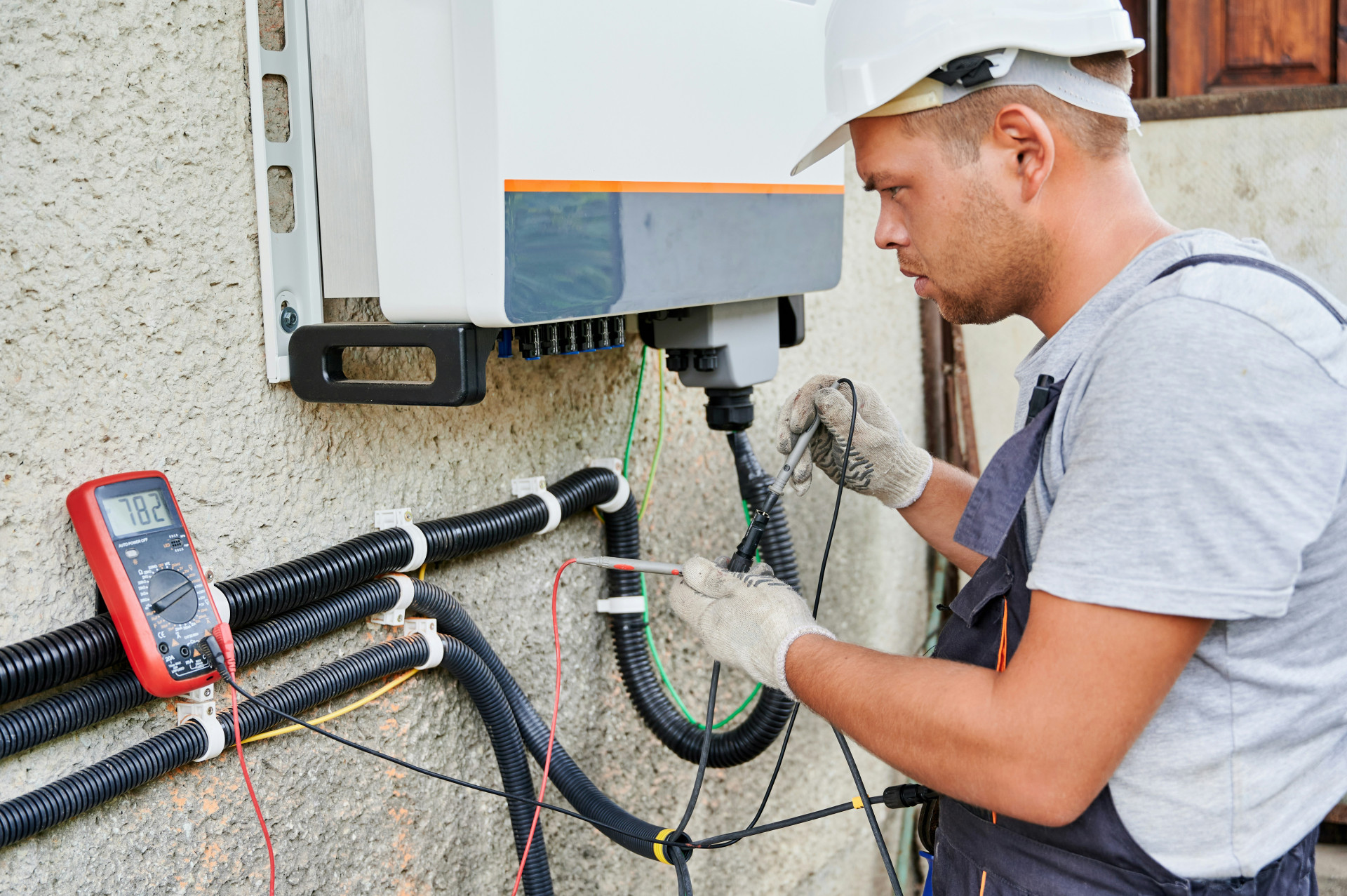
Green energy and smart technology are two of the most transformative forces shaping our world today. When they come together, they open new possibilities for using resources more efficiently and sustainably. From intelligent power grids and digitally managed solar panels to smart homes that automatically optimize energy use, innovation is changing how Americans produce and consume energy. But how can we, as consumers and communities, make the most of this powerful combination?
When Power Gets Smart
As more U.S. households install solar panels, electric vehicle chargers, and heat pumps, the nation’s power grid is becoming increasingly complex. This is where smart grid technology plays a crucial role. A smart grid uses digital communication to balance supply and demand in real time. It can direct electricity where it’s needed most—charging EVs when wind or solar power is abundant, and reducing consumption when demand peaks.
For consumers, this means lower utility bills and fewer blackouts. For society, it means making better use of renewable energy and reducing waste. Utilities across the country, from California to New York, are already investing in smart grid infrastructure to make the energy system more resilient and sustainable.
Smart Homes – Small Changes, Big Impact
Smart technology is already part of daily life for many Americans. Thermostats that adjust automatically, lights that turn off when no one’s in the room, and appliances that run when electricity is cheapest are becoming the new normal.
By connecting these systems, homeowners can create an intelligent energy flow within their homes. For example, when rooftop solar panels generate power during the day, that energy can be used to charge an EV or heat water instead of being sent back to the grid. This reduces both carbon emissions and household expenses.
Læs også:

Data as the Driving Force
Smart technology isn’t just about gadgets—it’s about data. Sensors and meters collect information about energy use, temperature, and production, which can then be analyzed to improve efficiency. With the right insights, it’s possible to predict when energy use will be most cost-effective and where savings can be made.
Cities and utilities are already using data analytics to plan energy consumption on a larger scale. This helps integrate more renewable sources like wind and solar without compromising reliability. In places like Texas and the Midwest, data-driven energy management is helping balance the variability of renewable power.
Green Technology in Everyday Life
For individual consumers, the transition to green and smart energy can start with simple steps. Here are a few practical ideas:
- Install a smart meter – it provides real-time insight into your energy use and helps identify savings.
- Use smart heating, cooling, and lighting controls – they can cut energy consumption by up to 20%.
- Consider home battery storage – store solar energy for use at night or during outages.
- Choose ENERGY STAR–rated appliances – and run them when electricity is cheapest or cleanest.
These solutions often pay for themselves over time—both financially and environmentally.
The Future of Energy – Collaboration Between People and Technology
While technology is advancing rapidly, human behavior remains key. To unlock the full potential of green energy and smart systems, we need to rethink how we use power and adopt more flexible habits. It’s not just about having the right tools—it’s about using them wisely.
The energy system of the future will be a partnership between consumers, producers, and digital solutions. When we all contribute—by generating solar power, driving electric vehicles, and sharing data—we can build a cleaner, more efficient energy network.
A Smarter, Greener Tomorrow
Green energy and smart technology are not separate trends but parts of the same movement toward a sustainable future. By combining renewable power with intelligent management, we can reduce waste, lower emissions, and create an energy system that works in harmony with nature.
This is more than a technological shift—it’s a cultural one. As Americans learn to use energy more intelligently, we take an important step toward a greener, more responsible way of living.
Læs også: