Create Dining Room Dynamism with Contrasts Between Dining Chairs and Table


Create Dining Room Dynamism with Contrasts Between Dining Chairs and Table
The dining room is one of the most important gathering spaces in any home – a place where meals, conversations, and memories are shared. That’s why it deserves a design that feels both welcoming and expressive of your personal style. One of the most effective ways to bring life and character into your dining area is by playing with contrasts between your dining table and chairs. It’s not just about color – it’s about mixing materials, shapes, and moods to create visual energy.
Why Contrasts Work
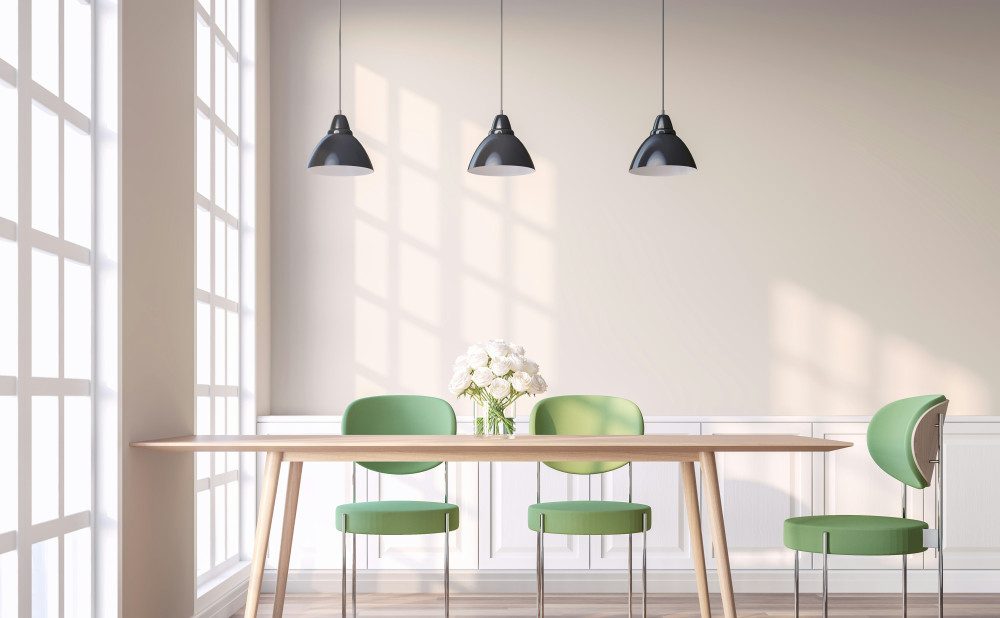
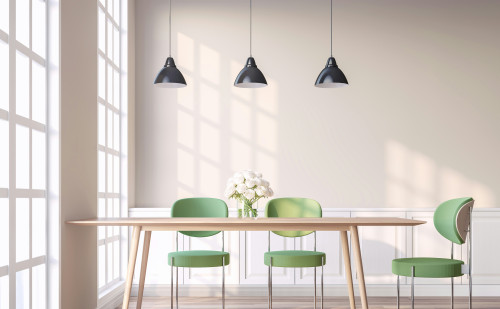
When you combine elements that differ from one another, you create visual tension – the kind that makes a room feel dynamic and layered. A dark wood table paired with light-colored chairs, for example, strikes a beautiful balance between weight and airiness. Conversely, a pale table with dark chairs can make a bold, modern statement.
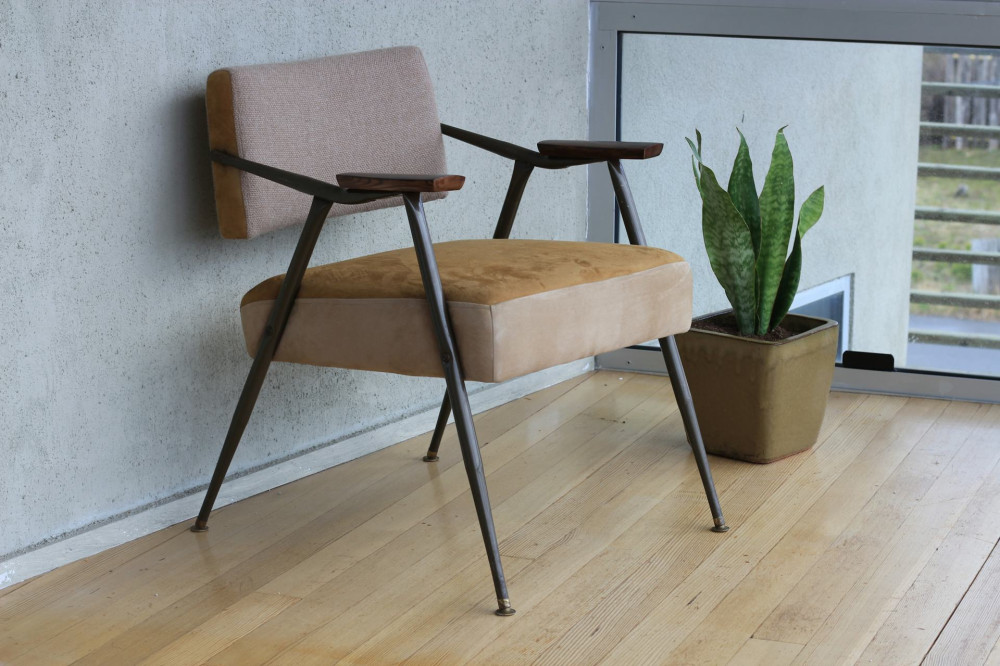
Contrast isn’t limited to color. You can also explore differences in texture – such as a rustic, reclaimed wood table with smooth, upholstered chairs – or in shape, where a round table meets angular seating. It’s in these juxtapositions that a room gains depth and personality.
Materials That Complement and Challenge Each Other
Material choices have a huge impact on the atmosphere of your dining space. Here are a few timeless combinations that create contrast without feeling mismatched:
- Wood and metal: A solid oak or walnut table paired with black steel or chrome chairs gives an industrial edge while maintaining warmth.
- Wood and plastic: A modern favorite that blends natural and minimalist aesthetics – perfect for contemporary or Scandinavian-inspired homes.
- Marble and wood: The cool, polished surface of marble gains warmth and texture when combined with wooden chairs in natural tones.
- Upholstery and hard surfaces: Fabric or leather chairs add softness and comfort to a table made of glass, stone, or metal.
Mixing materials allows you to balance function and beauty while giving your dining room a distinctive, curated look.
Colors That Set the Mood
Color has a powerful influence on how a space feels. For a calm, harmonious atmosphere, choose contrasts in muted tones like gray, beige, or soft neutrals. If you want more energy and personality, let your chairs stand out in a bold hue such as navy, forest green, or terracotta.
A helpful tip is to repeat one color element across both table and chairs – perhaps in the table legs or chair upholstery – to maintain a sense of cohesion. This way, you achieve contrast without visual chaos.
Læs også:

Shape and Proportion
Contrast can also come from form. A round table with slender chairs creates a light, organic feel, while a rectangular table with sturdy chairs feels more grounded and traditional. You can also play with scale: small, delicate chairs around a large table make the space feel open and airy, while wide, substantial chairs around a narrow table create intimacy.
Pay attention to how chair height and table thickness relate to each other. A balanced proportion ensures that the contrast feels intentional rather than accidental.
Unifying Through Details
While contrast brings energy, harmony keeps the space inviting. You can tie the look together through thoughtful details: echo a chair color in a vase or centerpiece, or choose lighting fixtures that reflect the table’s material. Textiles like table runners, cushions, or rugs can also soften the look and make the room feel cohesive.
Make It Personal
There are no strict rules for pairing dining tables and chairs. The key is to choose what resonates with your taste and the atmosphere you want to create. Maybe you love a sleek, modern aesthetic – or perhaps you prefer a more eclectic, relaxed vibe. By daring to mix styles, materials, and colors, you can design a dining room that feels alive, personal, and full of character.
Læs også: